

19.03.2025 - CIMARONS
Truly “Harder Than The Rock”
By Werner Zips and Angelica V. Marte
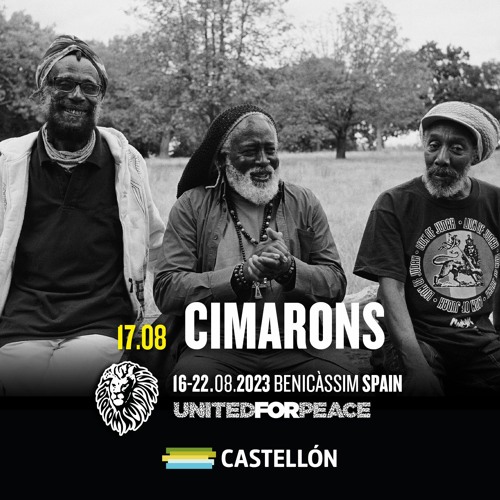 |
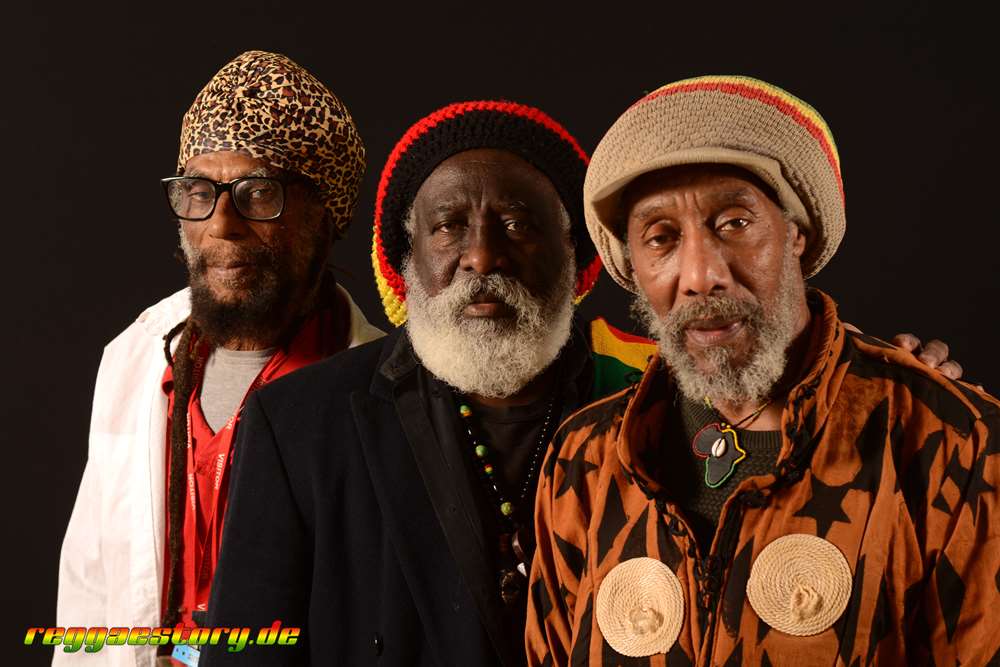
Europe’s first (known) reggae band has made a triumphant comeback after a long artistic hiatus. With their new lead singer Michael Arkk, they are winning the hearts of countless young fans while rekindling old flames among their more seasoned listeners. Werner Zips, one of those longtime admirers, along with Angelica V. Marte, had the privilege of meeting the Cimarons for a lengthy interview after their acclaimed performance at the Rototom Festival on August 17, 2023. |
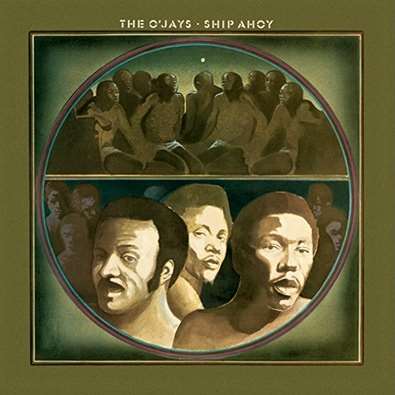
„Ship Ahoy“ – Sailing into a Glorious Future
Setting Sail from the Heart of Brixton Tension was etched on the faces of the seasoned veterans. Michael Arkk referred to it as a “crucible.”
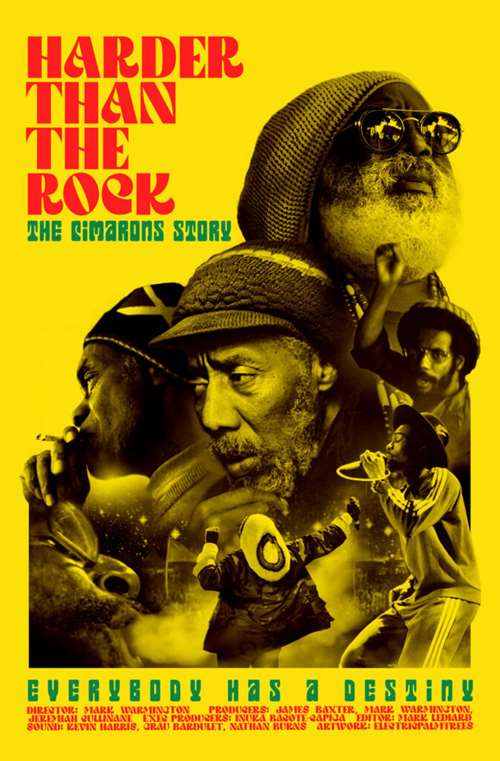
Their first public performance in decades became one of the emotional highlights of the new documentary Harder Than the Rock: The Cimarons Story by Mark Warmington. The presence of Winston Reedy (Reid), the band’s previous lead singer, lent the project an added seal of approval. When Michael Arkk invited Winston onstage for a duet during the title track, the metaphorical ship – fittingly inspired by their anthem “Ship Ahoy” – officially set sail on a wave of success. The palpable respect between the old and new frontmen perfectly embodies the Cimarons’ overarching message: “Togetherness”. In the documentary, Michael Arkk humbly admits: “There’s no competition between us, but stepping into Winston’s shoes? That’s no easy task – not at all.” To which Winston graciously responds: “We’re different in some ways. He’s just a cooler cat than I am.” Here is a band that re-enters the reggae scene not through the main gate, but the side door, determined to emphasize unity over division. As Michael says in the film: “We’ll make our tunes as sharp as iron,” referencing the biblical proverb: “As iron sharpens iron, so one man sharpens another.” „Harder Than The Rock“ – The Film and Album
This duality is crucial. From their beginnings, the Cimarons have stood for rebel music, fighting against slavery, exploitation, and racism (“harder than the rock”), while also advocating reconciliation and the utopian vision of a united humanity. As Locksley Gichie puts it (in the Rototom interview): “We bring people together with the idea of mutual respect. It’s about giving and receiving strength through love.” Michael Arkk adds: “Music is a language that can convey truths, especially when it carries the message of peace and universal love.” Into a bright and brilliant future The harmony between the two original Cimarons, Locksley Gichie and Franklyn Dunn, and newcomer Michael Arkk was evident during their electrifying performance on the Rototom stage. The crowd’s enthusiastic response even surprised the band. Michael, grinning, recalls: 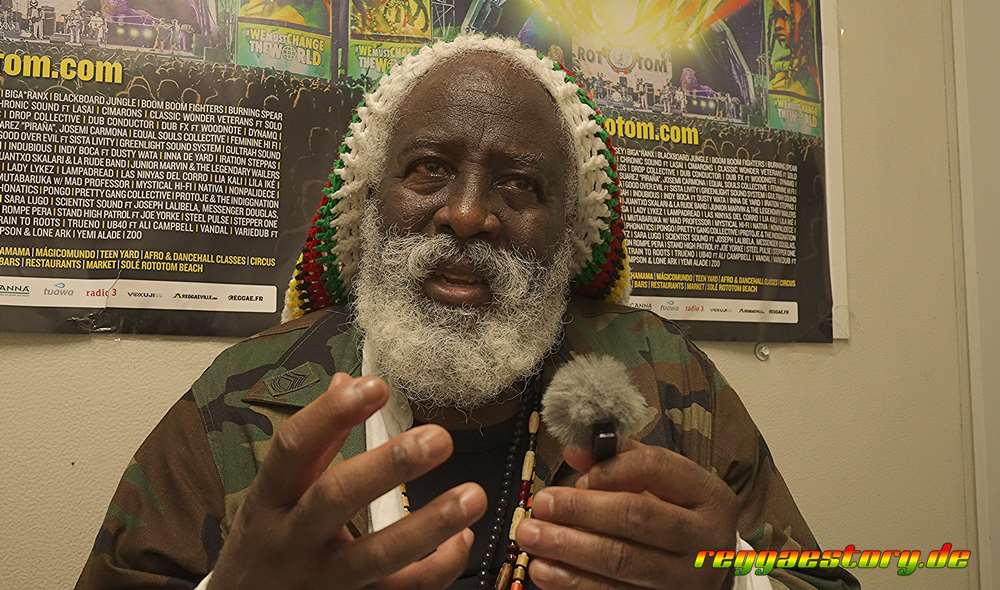 Michael Arkk “Up there, the stage lights blind you. At first, I thought the audience was cheering for someone else. Rototom has so many events happening at once. But then I shielded my eyes and leaned down. That’s when I saw these young people – kids or even grandkids of our generation – cheering for us and shouting for ‘Ship Ahoy.’” Few reggae fans in the crowd shared a direct connection to the collective Black experience of slavery, but somehow, they understood that “Ship Ahoy” is not just about enslavement – it’s about liberation. The song’s endless refrain opens doors to new horizons and freedom from all forms of captivity. "Music is timeless," Locksley continues, "we were the first to tour in Japan and Thailand and then Africa, Ghana and Nigeria, in the late 1960s. Over there they had no idea about Rocksteady, but as soon as they heard that weird Doobie Doobie Doo, Doobie Doobie Doobie Doobie Doo, they totally freaked out. We've made it to the present and have no intention of letting that vibe die. When we started in 1967, we had no idea that we would have such a career. In the beginning, we just enjoyed the music." Rock Against Racism “Well, it wasn’t just about having fun,” Franklyn Dunn emphasizes. “Back in the 1960s, we were part of the Rock Against Racism movement, which brought rock music and reggae together. We were on the front lines of the British reggae scene. That’s still our agenda because racism hasn’t disappeared.” 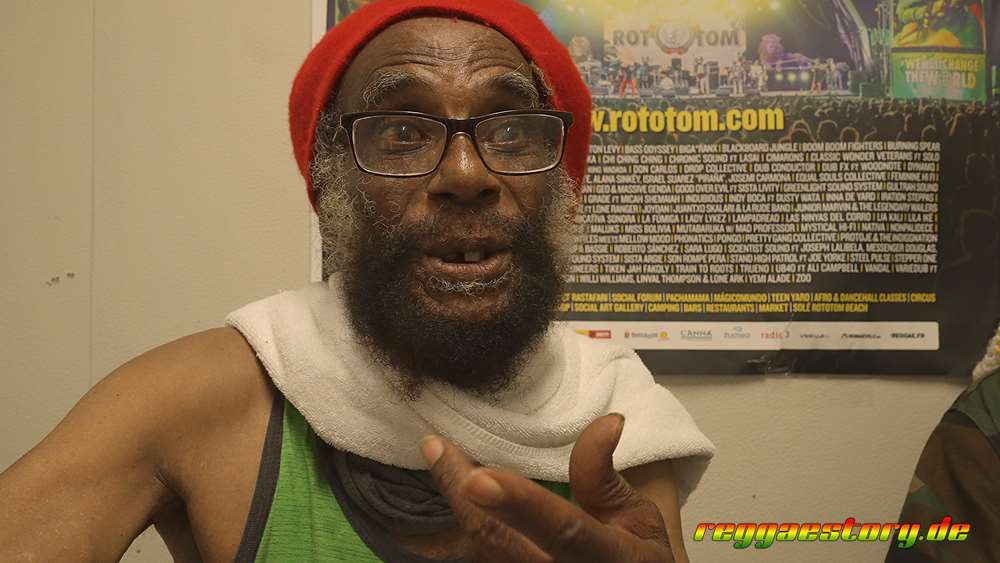 Franklyn Dunn The brilliant “Harder Than The Rock”-documentary sheds light on these connections, particularly the link between British reggae and the punk scene, famously captured in Bob Marley’s “Punky Reggae Party.” Collaborations with punk bands like The Clash helped reggae reach wider audiences, turning cities like London and Birmingham into hubs of reggae globalization. The Cimarons’ pioneering role cannot be overstated. They paved the way for British bands with Jamaican roots, such as Steel Pulse, Aswad, Misty in Roots, Capital Letters, or Matumbi. Some of these bands – first and foremost Steel Pulse and Aswad – achieved perhaps greater commercial success and global fame, but the Cimarons remain the unsung heroes who broke ground for all. Although they were also successful as a backing band for the likes of Bob Marley, Dennis Brown, Jimmy Cliff, Toots and Maytals, The Pioneers, Ken Boothe, Errol Dunkley and many others, their fame remained financially quite unprofitable, as Franklyn Dunn laments emphatically yet without bitterness in the film: "We have always broken records, so often we were the first to make a breakthrough, but we were always the last to make money. It's time we earn our retirement money now." 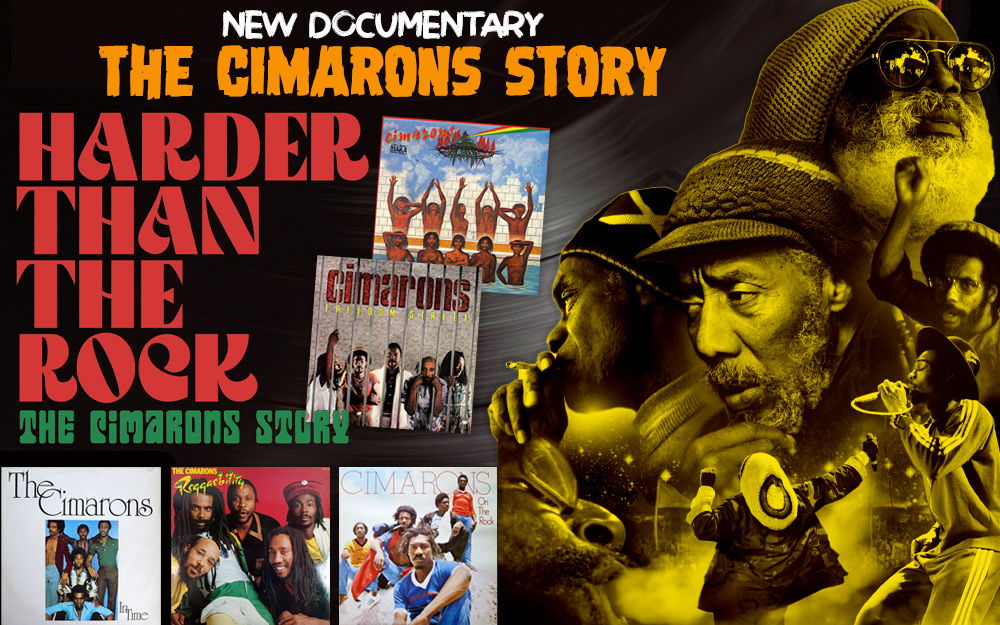 Trials, Tribulations, and Resilience In the documentary, reggae historian David Katz doesn’t mince words: “The music industry, especially in reggae, rarely offers financial stability. Franklyn Dunn had to drive a minibus. Many reggae musicians couldn’t survive on music alone.” The film openly reveals the struggles of Michael Arkk, showing him working as a cleaner, while humming a song to himself: “For years, I had to cross-finance my music. I took a cleaning job, but that’s not who I am. Now, I’m hoping the Cimarons will grow to the point where I can make a living from music alone. We are not there yet, but I feel it could happen.” With touching scenes like this, the film is a contemporary document over more than half a century. It is a masterpiece in every respect in terms of structure, editing and content. Above all, however, the painstakingly compounded documentary from archival bits and pieces shows the trials and tribulations of a legendary band, much praised in the reggae universe, in an emotional depth that is unique. Whether it's bassist Franklyn Dunn's massive back pain – "when you go on stage, you don't feel any pain, there's no better painkiller for me than being on stage" – or the grief over the loss of beloved companions. The basic tenor of the film (and the entire band) is resilience – harder than a rock – in order to prevail against all odds. Free as Life The band’s name originally came not from the Maroons (freedom fighters against slavery) but from the American Western TV series Cimarron Strip. As is so often the case in reggae, the band name reflects the influence of American Western films, which decisively influenced the attitudes of earlier generations in Jamaica from the 1950s onwards. The characters of the outlaws and gunslingers, but also of the resistant indigenous populations, provided role models in the equally lawless wild surroundings of urban Jamaican ghettos: “Cimarron Strip was a TV series just like Bonanza. We just chose the name because it sounded good,” Locksley Gichie admits. “Only later did we learn it meant ‘wild and free’ and referred to Maroon (Spanish: Cimarrones) traditions of resistance. So, in a way, the name chose us.” 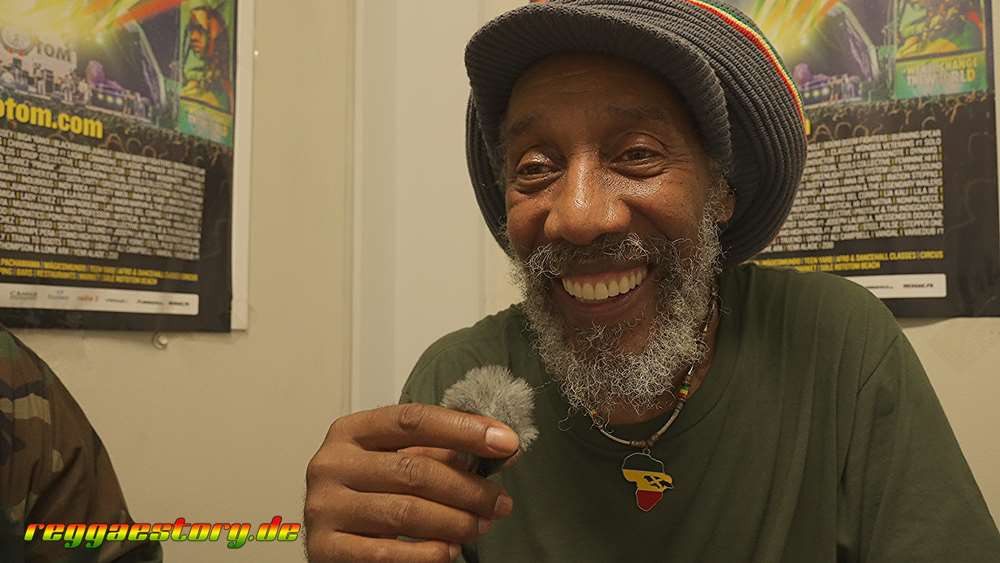 Locksley Gichie Today, that “wildness” has evolved into a dignified coolness befitting their age and experience. Judging from the better part of their Song lyrics, the Cimarons always knew that true freedom consists in the awareness of the infinite possibilities that a long (musician's) life offers. Something like the Locksley Gichie song "Free as Life" postulated over half a century ago. Their rebirth with a new lead singer and dedicated management provides a moment in time when “all fruits are ripe”. With Michael Arkk, whose career began in gospel, the Cimarons have struck gold. Michael sums it up: “Finding the Cimarons, when I didn’t even know they existed, was predestination. It’s more than a band – it’s a movement. And I think we’re heading for a glorious future. The Cimarons are on the march!” 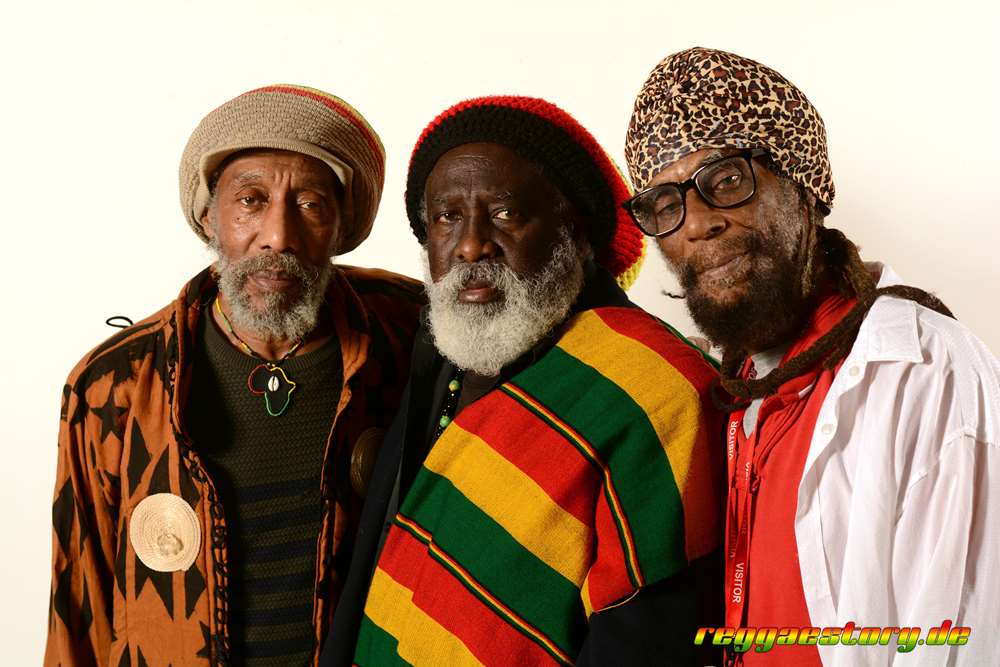 Public Health Warning Their optimism makes the wait for their new album even sweeter. With a professional management team for the first time in their career, and a polished new website (https://thecimaronsband.com) hosting top-notch live performances, videos and many other features, Cimarons are indeed poised for a bright and brilliant future. We wish this old reggae steamer a journey as triumphant as the Buena Vista Social Club’s late-career resurgence (following the Wim Wenders film and Ry Cooder album.) They’ve earned it, with a legacy of reggae anthems - On the Rock, Paul Bogle, Rock Reggae Rhapsody, and of course, their take on Ship Ahoy. And remember the bottom line for Cimarons’ music: “Public Health Warning: Highest Earworm Alert!” © Werner Zips and Angelica V. Marte Live Video: Cimarons at Rototom Sunsplash 2023
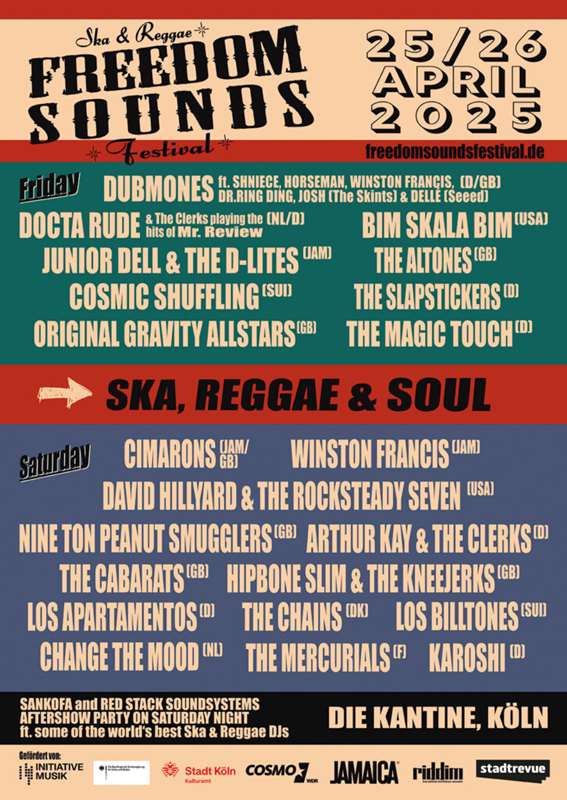
>>> Don't miss the current dates of the Cimarons in Germany! 
 |