


ETHIOPIA - THE SOUTH
A travel report - Part 9
06/08/2019 – Turmi - Market in Dimeka - Buska Lodge - Hamer village Geria
(10/01/2011 according to the Ethiopian calendar)
 |
Today
we don't have to move and can start the day relaxed in our new lodge,
which we haven't really explored yet. To the delight of Alex, today
there are only a maximum of 28 kilometers to drive to the large market
in Dimeka. In the evening we will visit a Hamer village, which can even
be reached on foot from here. |
We wake up to the
twittering of birds and distant monkey roars in a natural, leafy lodge
on the edge of a dry and very large river bed. Far and wide only nature
as far as the eye can see. Fortunately, we will still have a lot of
time to be able to enjoy this great atmosphere here to the full,
because we have planned two more nights in this lodge. 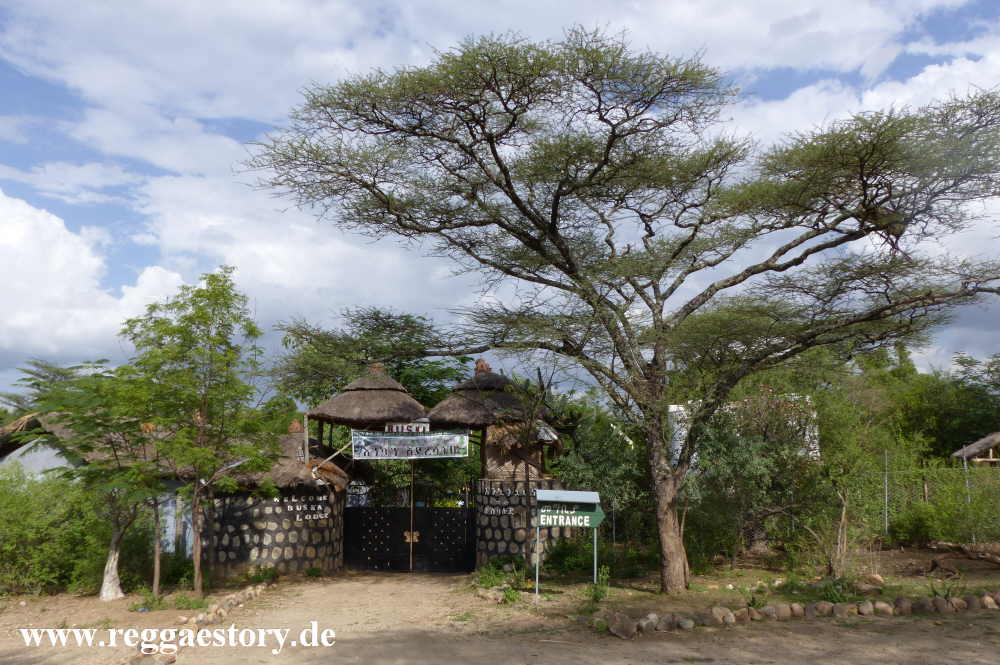 Image 791: Buska Lodge 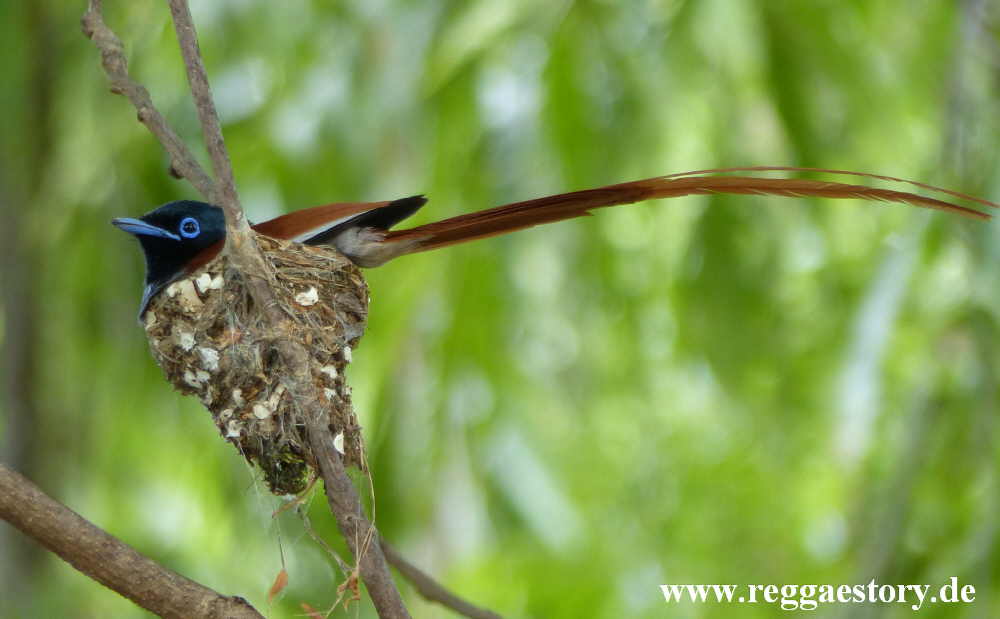 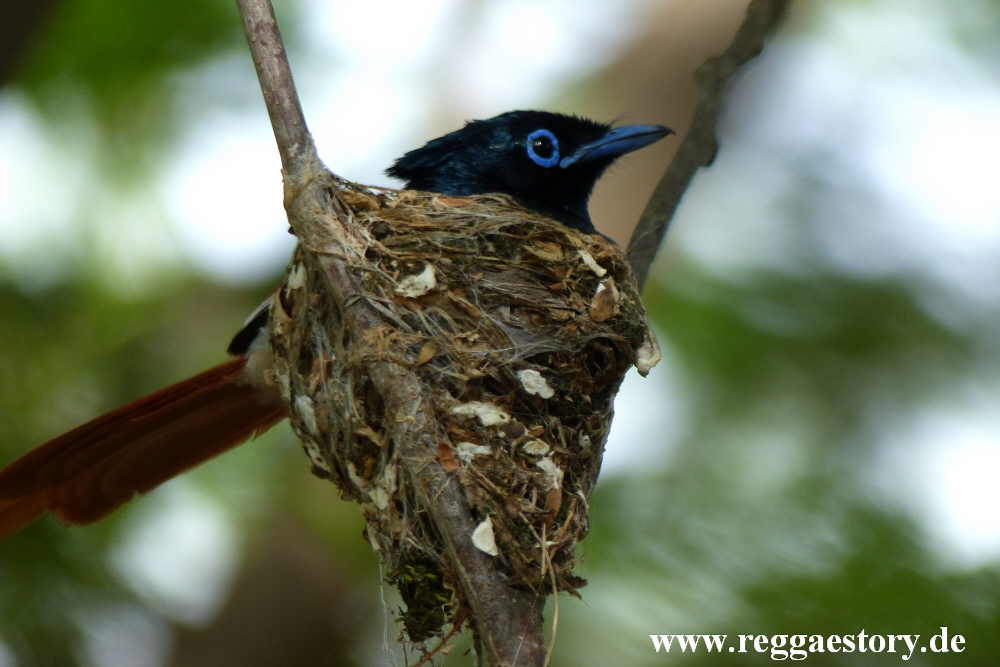 Image 792 + 793: African paradise flycatcher 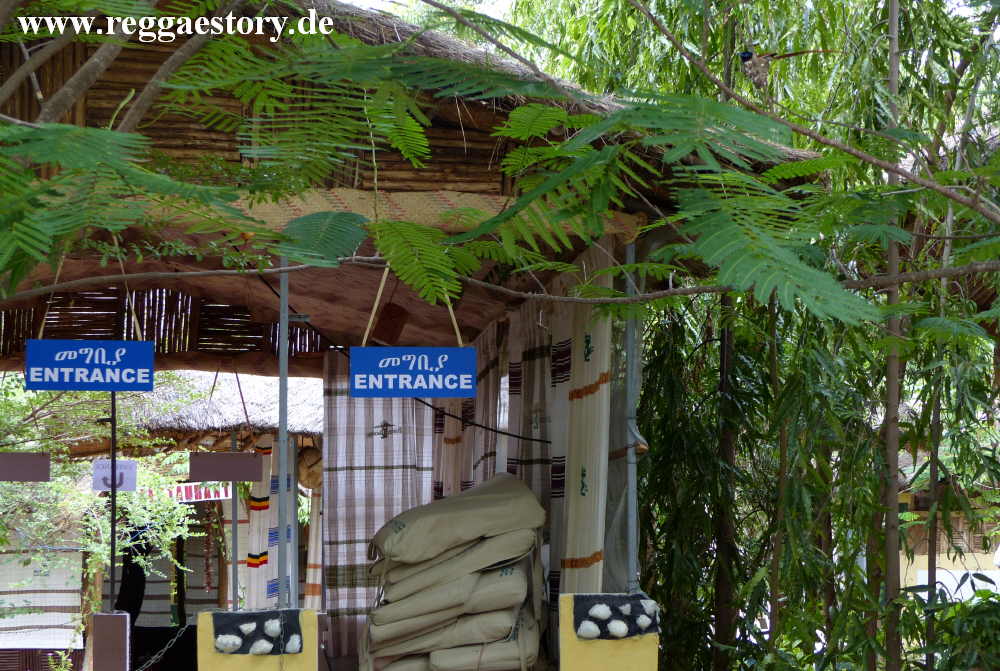 Image 794: Puzzle - Where is the nest? :-) We have until 10:00 a.m. before Mastu and Alex pick us up for our excursion. As already mentioned at the beginning, we are going to Dimeka today. After Turmi, this is the second largest town within the Hamer settlement area. Every Saturday there is a big weekly market that is not to be missed. Dimeka has no other sights to offer. It is the people in their traditional clothes and hairstyles, as well as their customs and products, that inspire every visitor. To get to Dimeka, we only have to drive about 30 kilometers north and get to our destination relatively quickly. 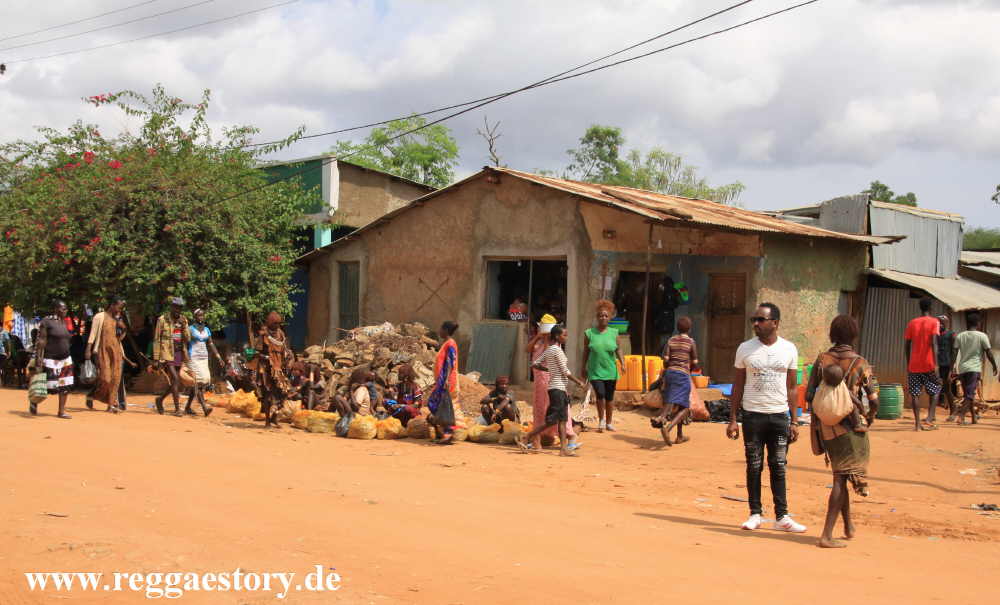 Image 795: Dimeka You can visit two different market areas in Dimeka. Daily necessities, groceries, handicrafts and other items are sold in the center of the village. Several hundred meters from here, on a hill on the edge of the village, is the cattle market. Most of the business there is done by men, while in the center of town it is mainly women who are in charge. If you want to go to the cattle market, you should do this in the morning, as the number of livestock decreases over time and the wholesalers keep coming back with whole truckloads. So let's go a little way to the cattle market. 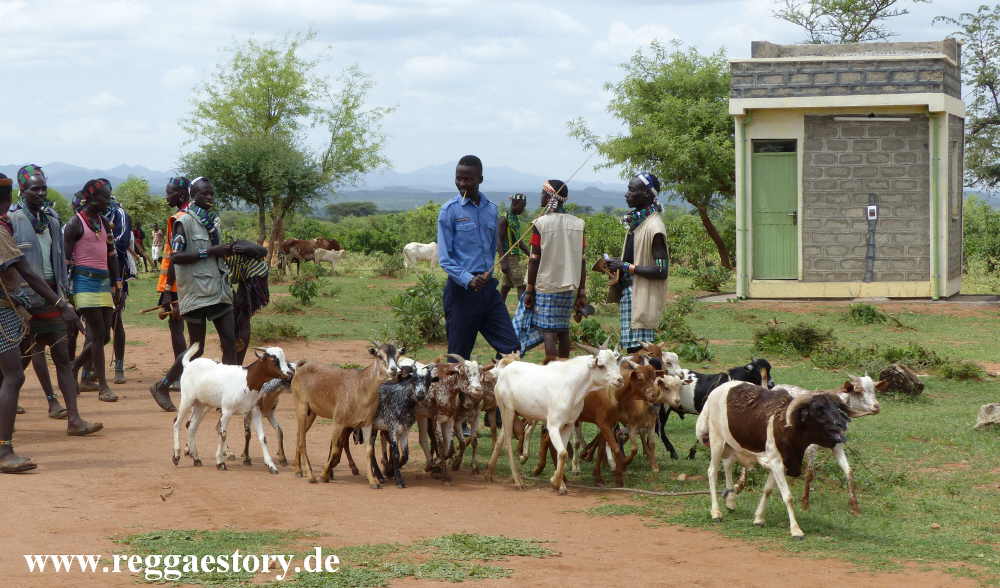 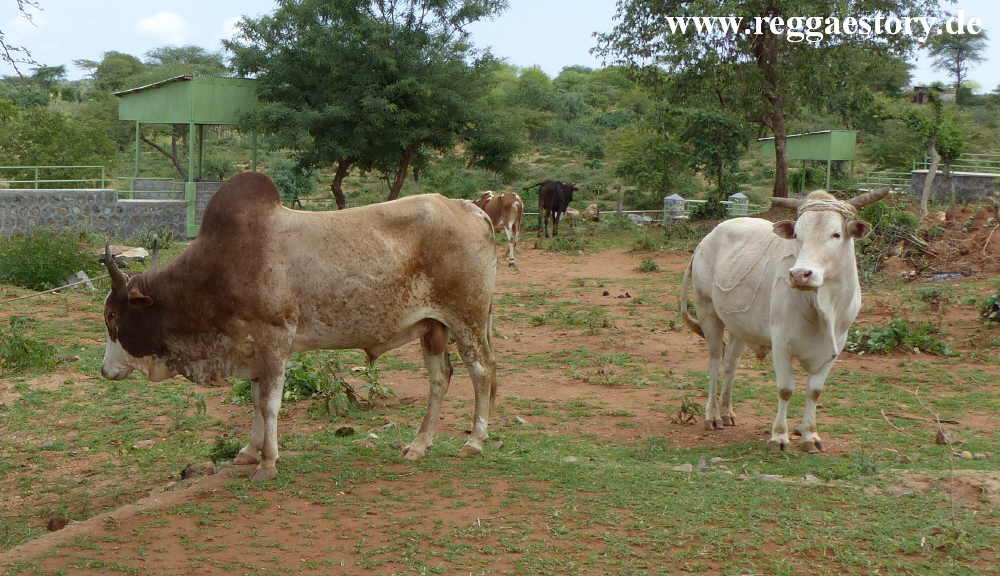 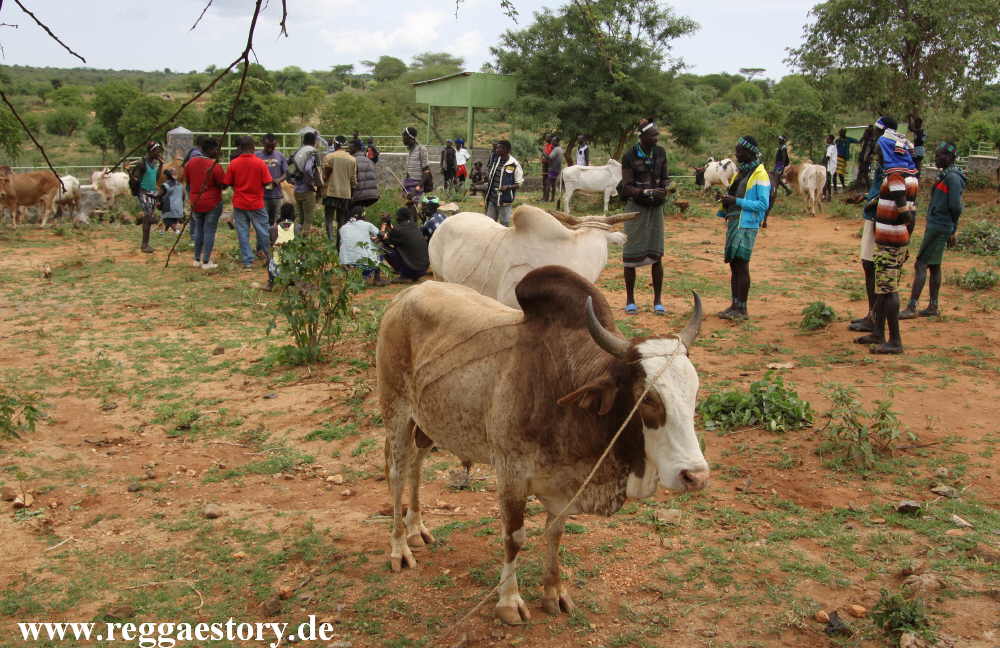 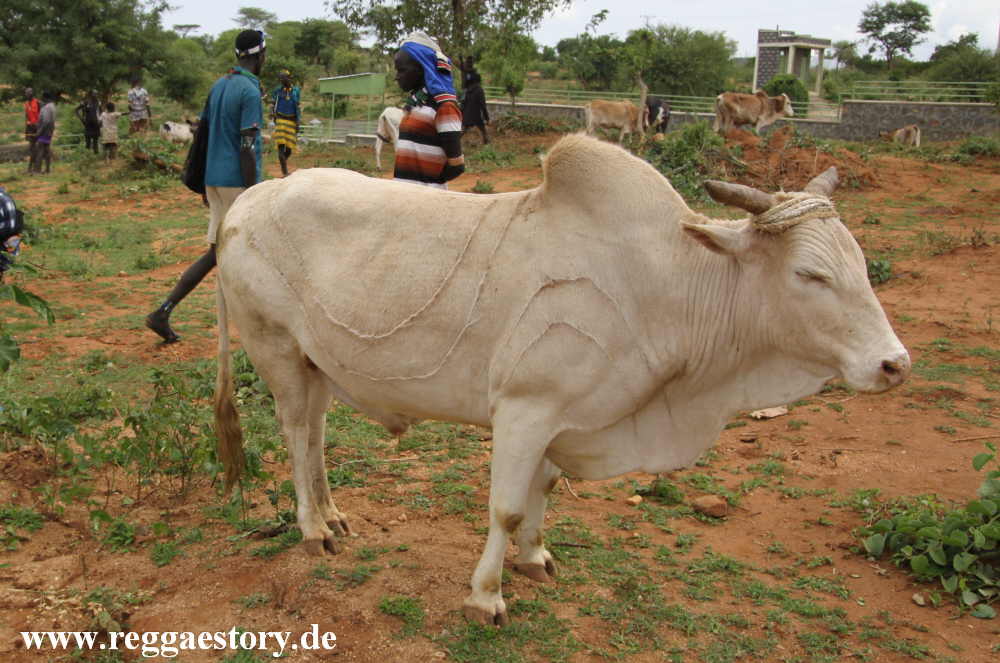 Image 796 - 799: On the way to the Dimeka cattle market Image 799: Some cattle get a "fur hairstyle" to make them more attractive. When we arrive, the first animals have already been sold and are being loaded onto the vehicles, but new herds are still coming to the market. While the men advertise the advantages of their animals, have them weighed and get a few bills from the big bundles of money from the dealers, others wait quietly and chat with each other until their turn or an agreement is reached. 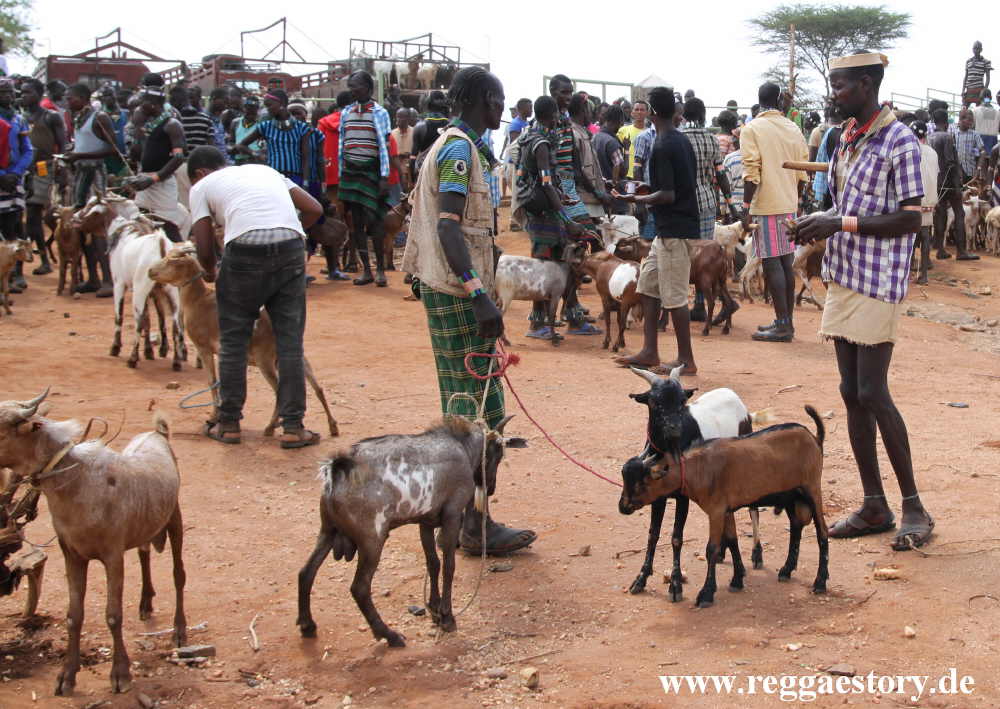 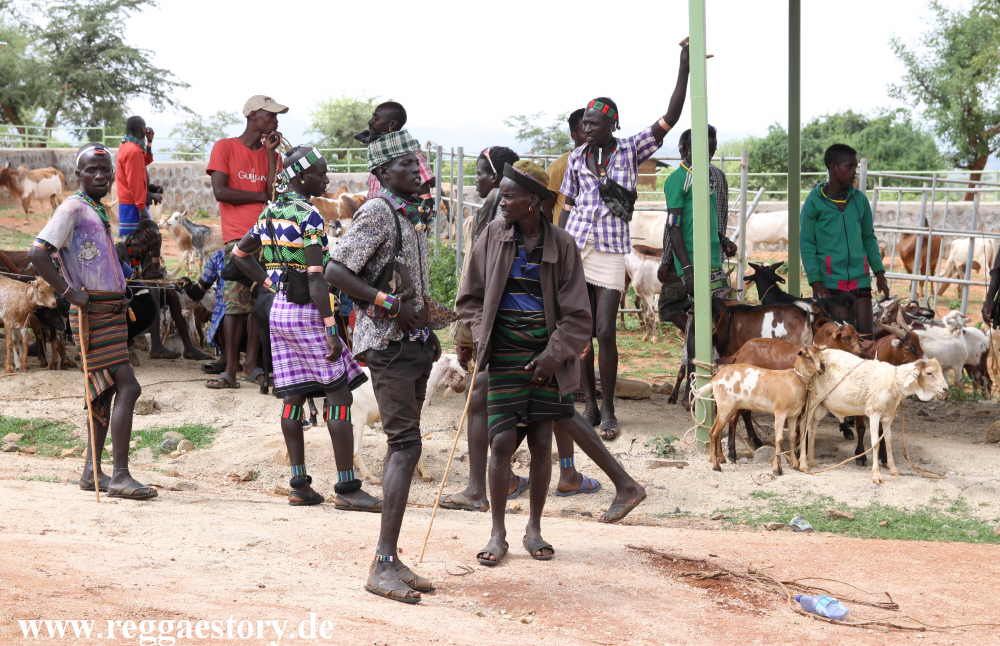 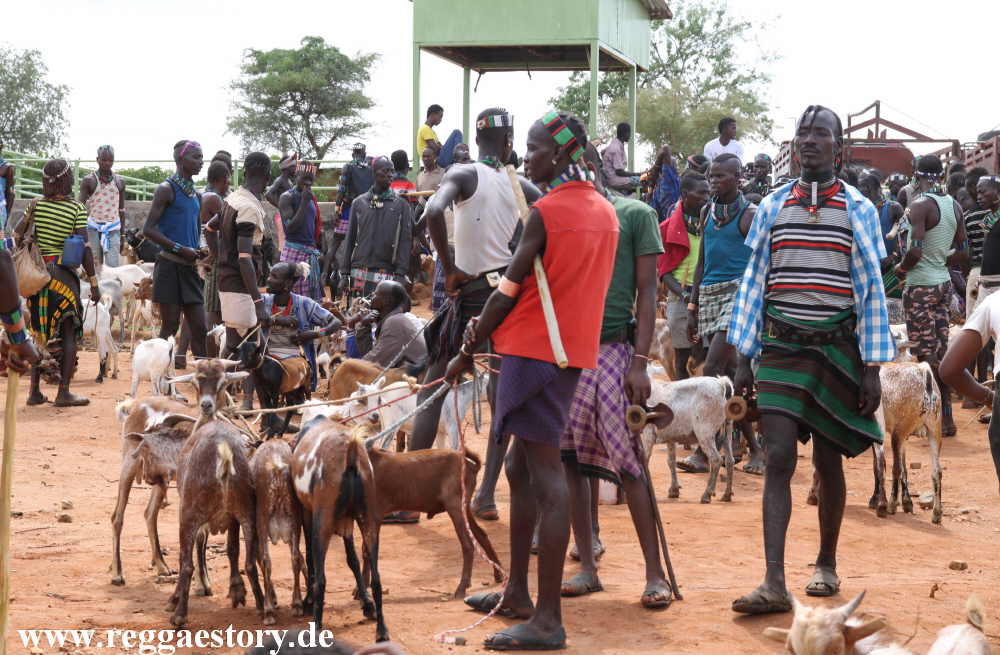 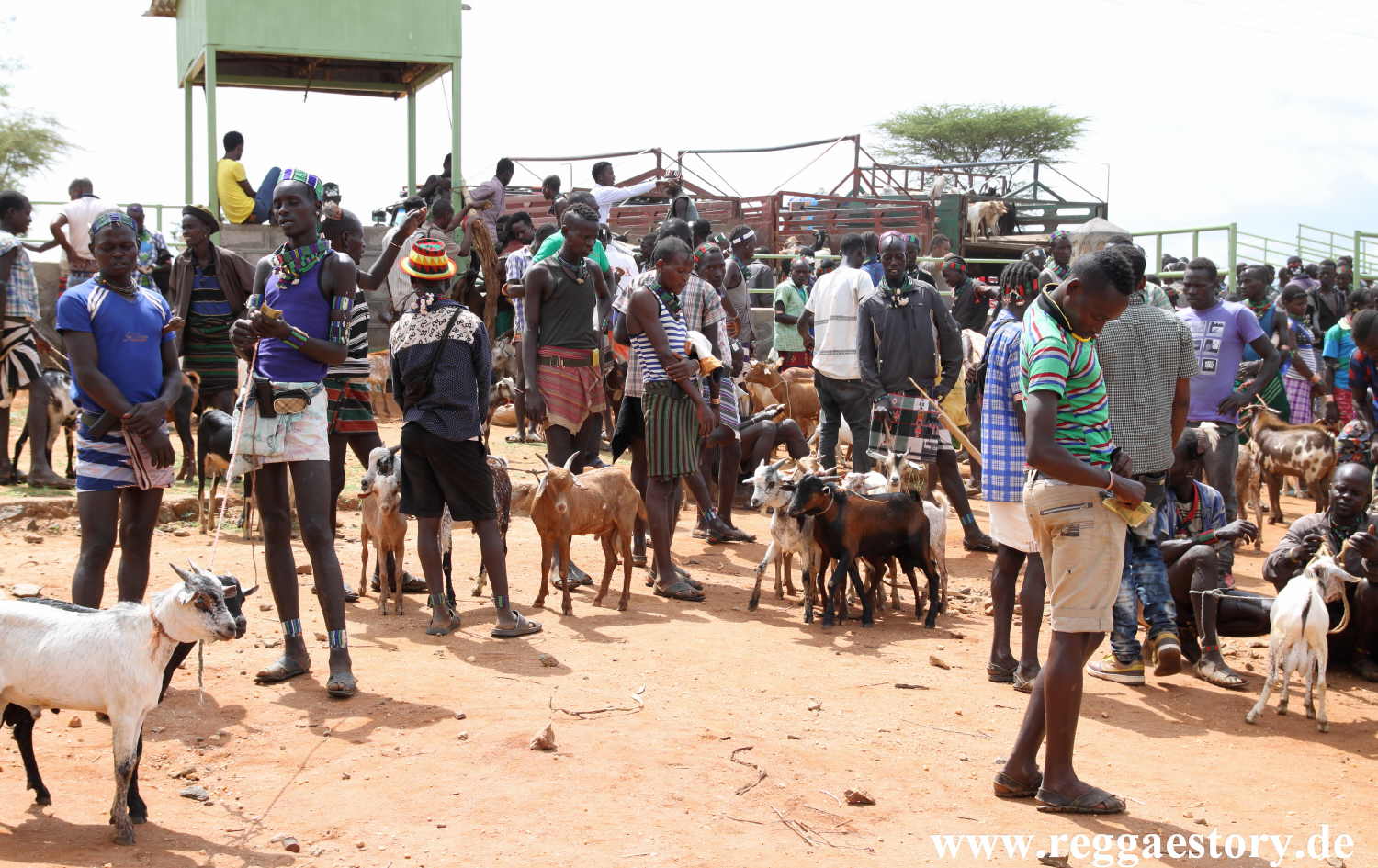 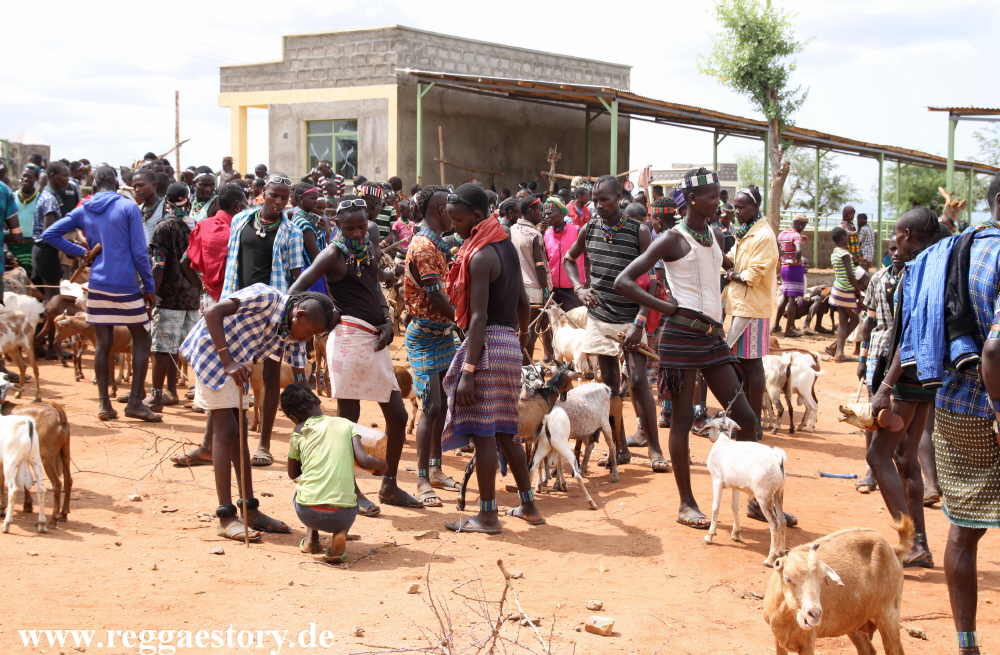 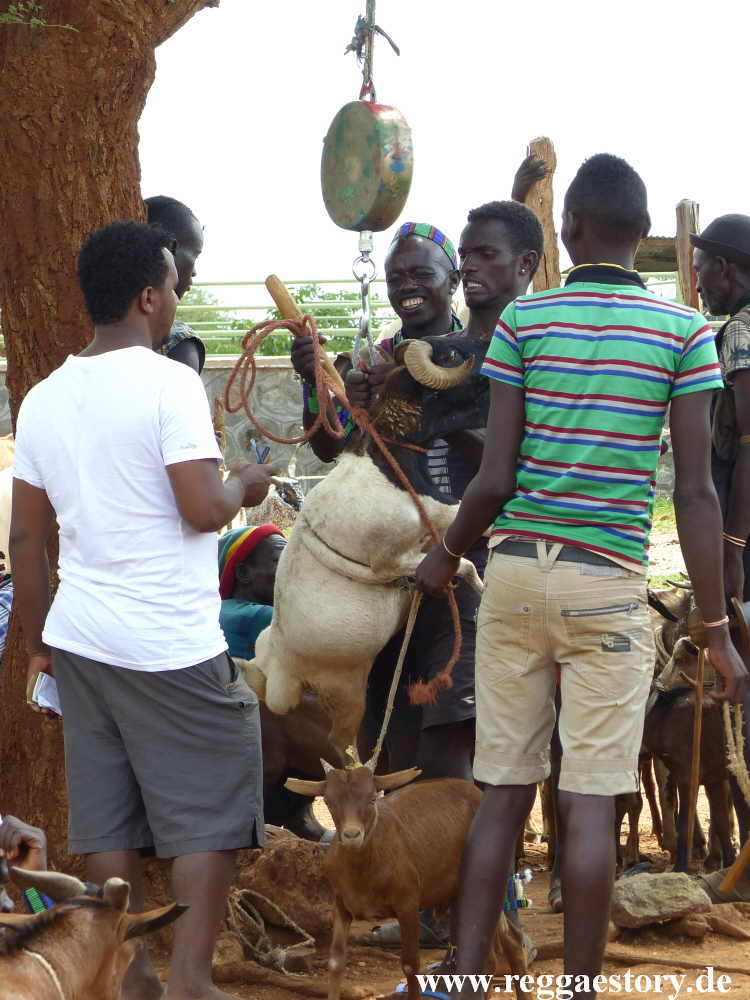
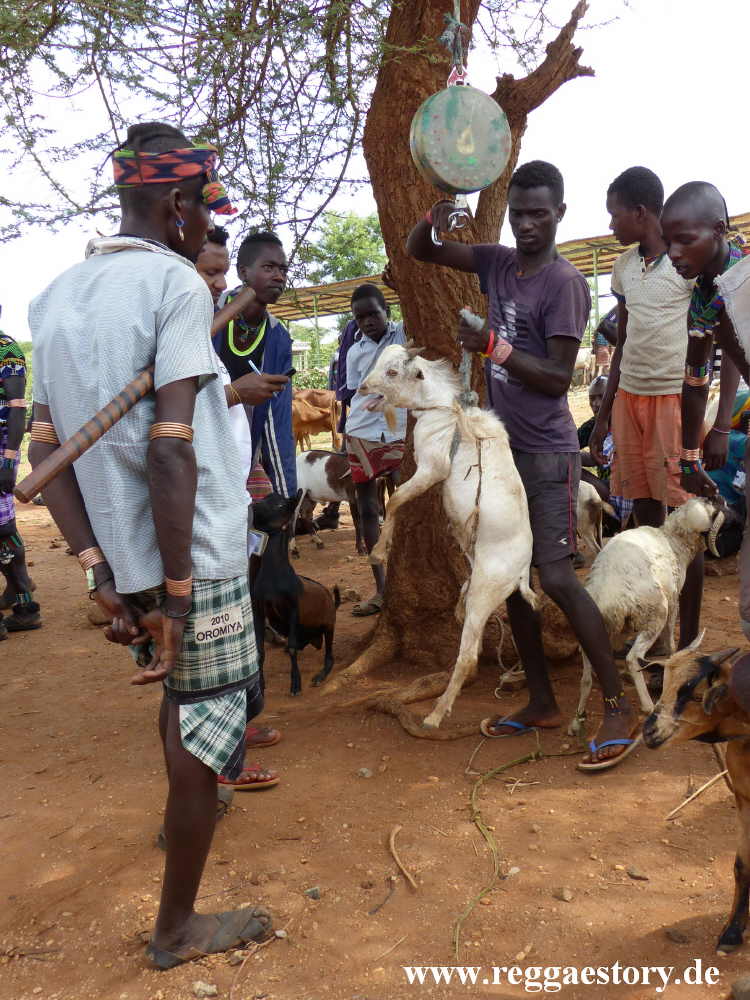 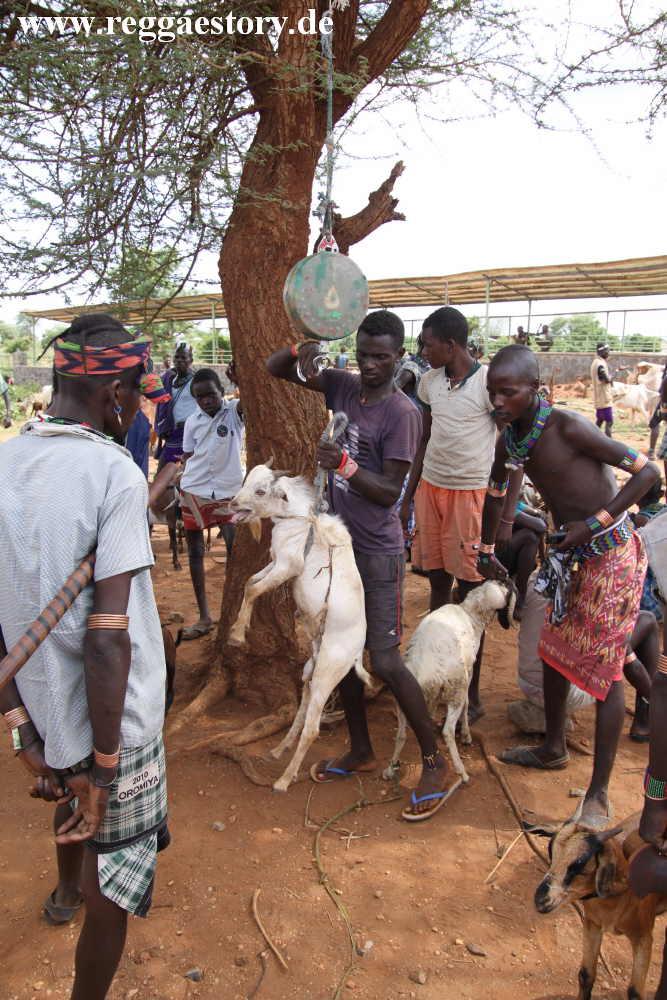
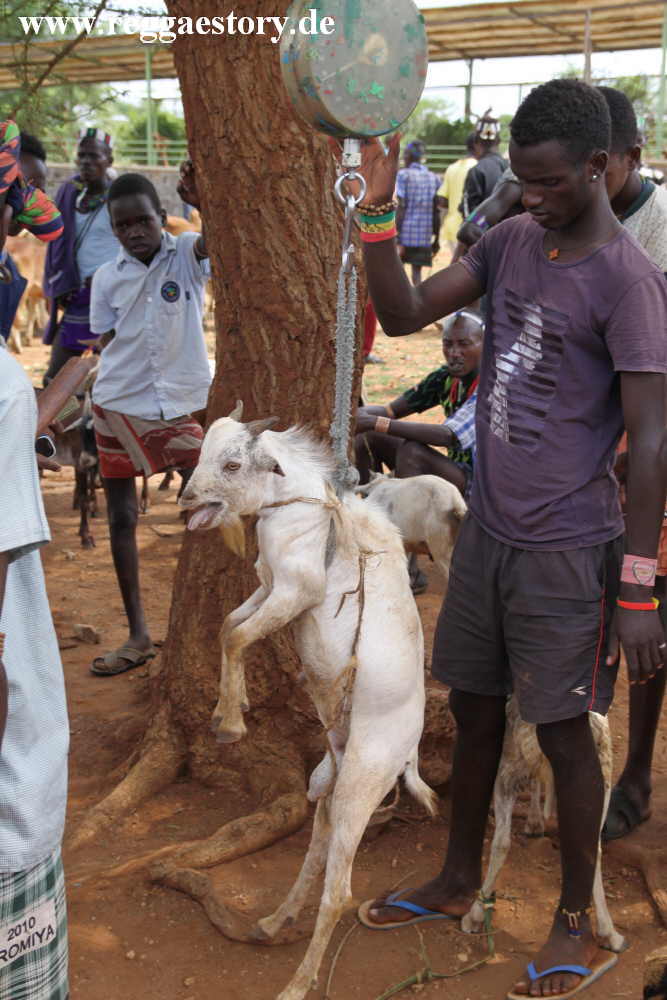 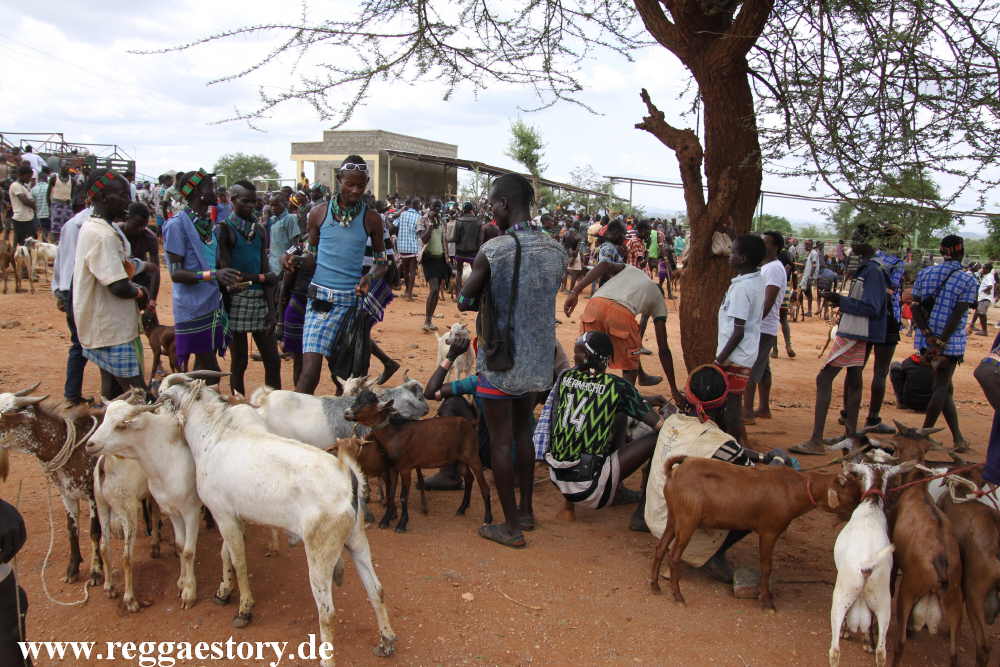 Image 800 - 809: At the Dimeka cattle market Those who are not so interested in the hustle and bustle at the cattle market, since goats are goats or beefs are beefs, will in any case find numerous interesting impressions among the people, which cannot all be captured in pictures. Many details of the clothing and the body jewelry can only be recognized in detail when it is seen up close. You don't have to be afraid of contact, because people are usually open and if this is not the case, you just have to accept their rejection. 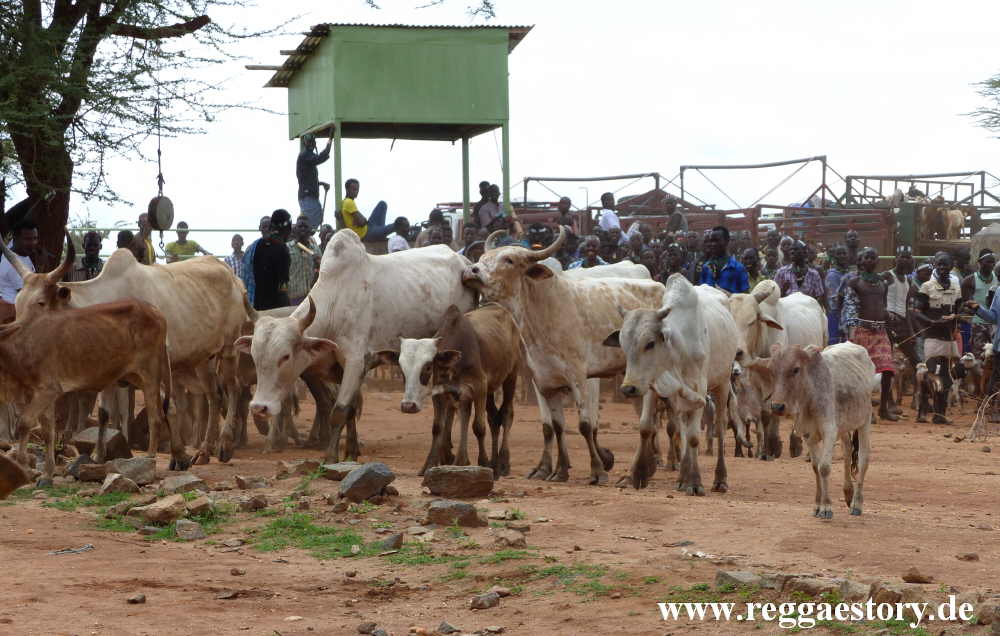 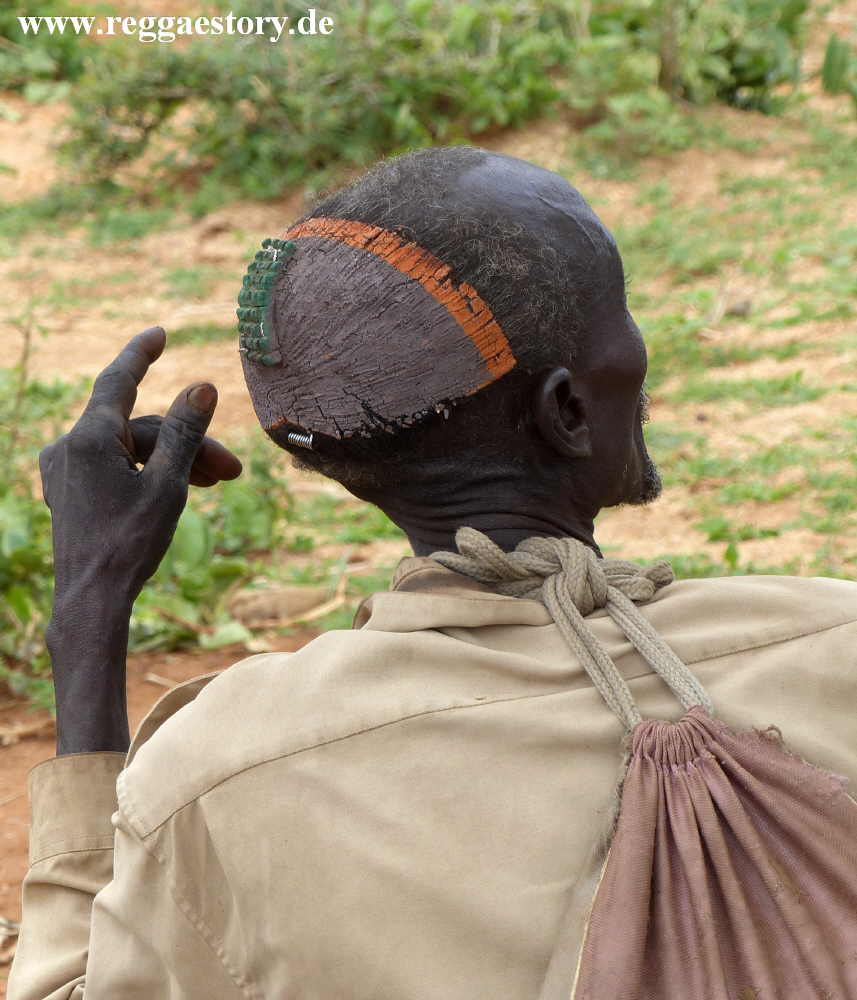
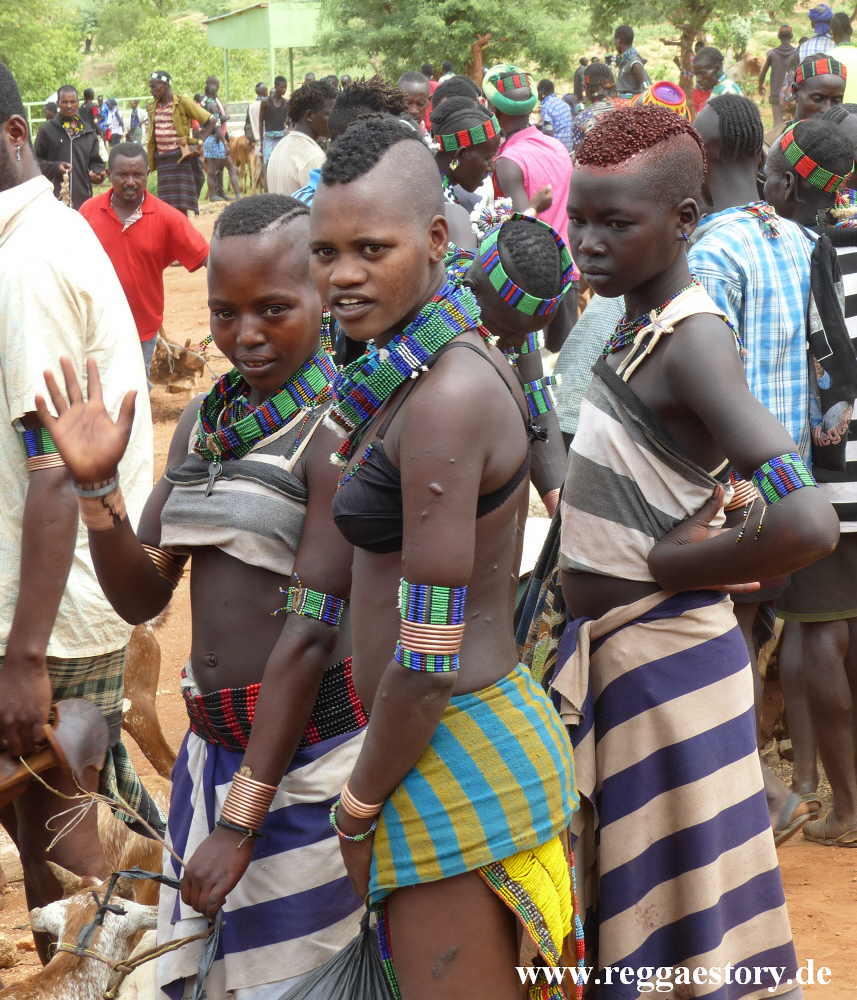 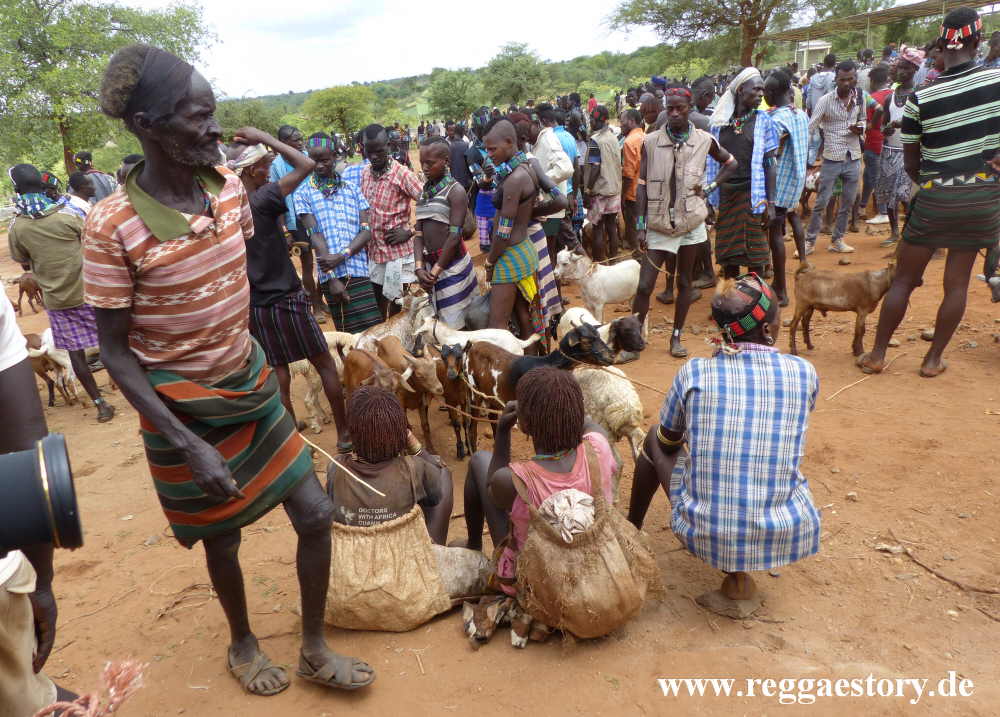 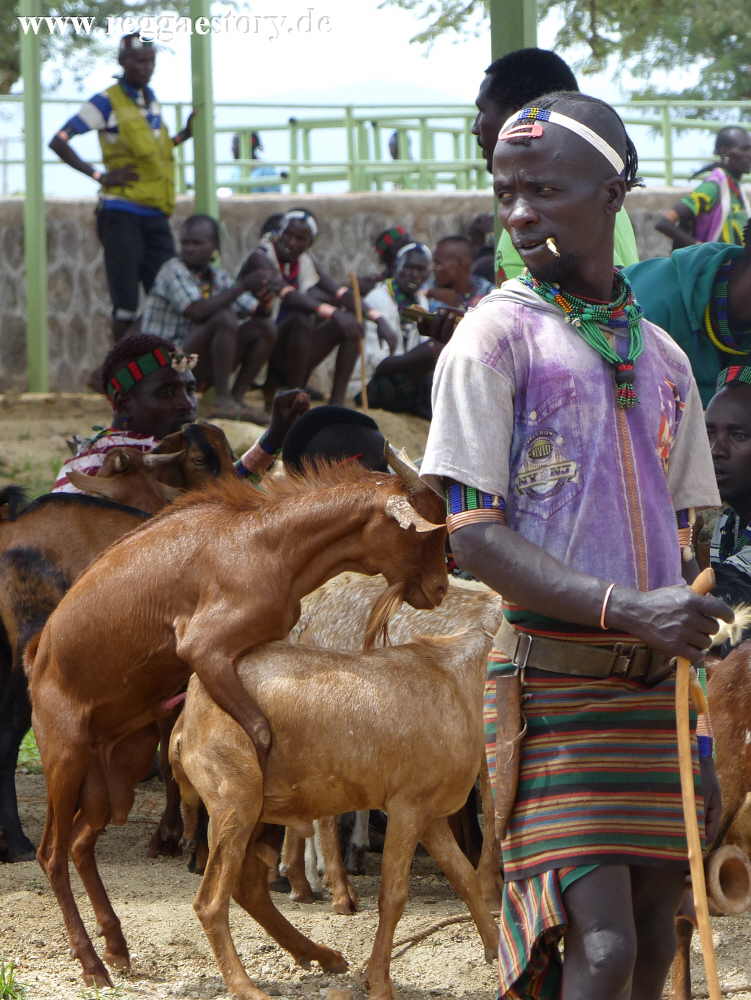
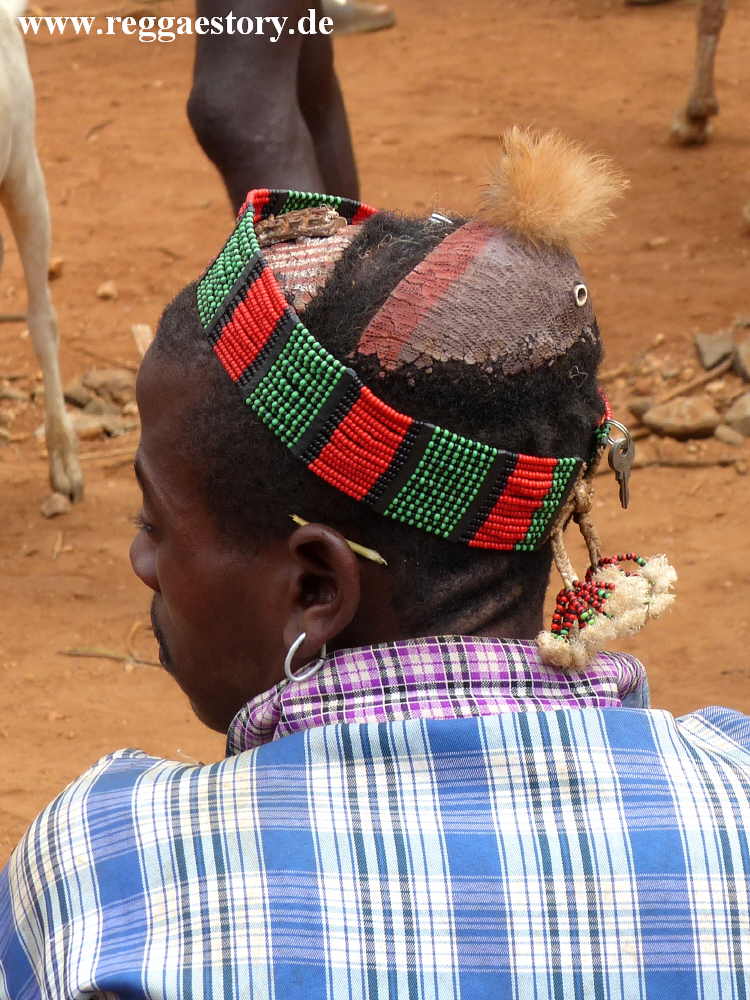 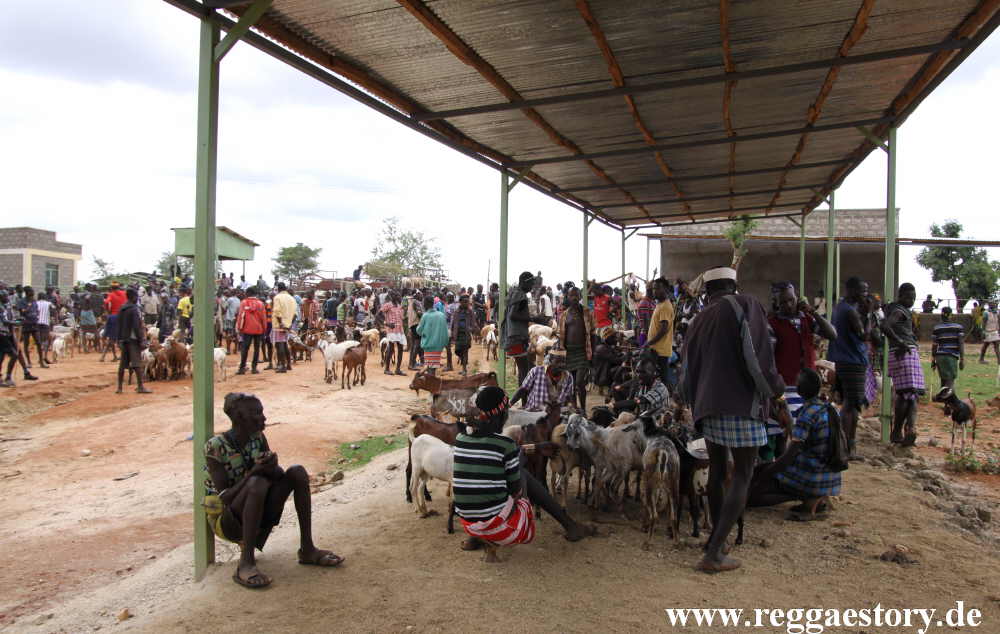 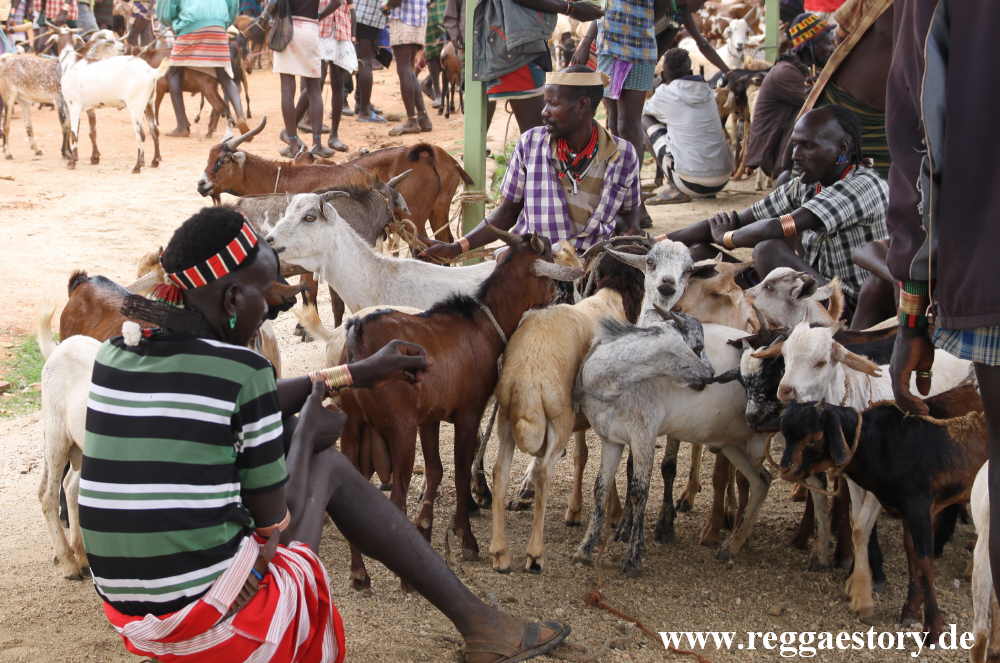 Image 810 - 817: At the Dimeka cattle market We take one last lap across the area before we say goodbye to the hustle and bustle and head for the second market in Dimeka in the center of the village, where it will definitely be a little more colorful and diverse. 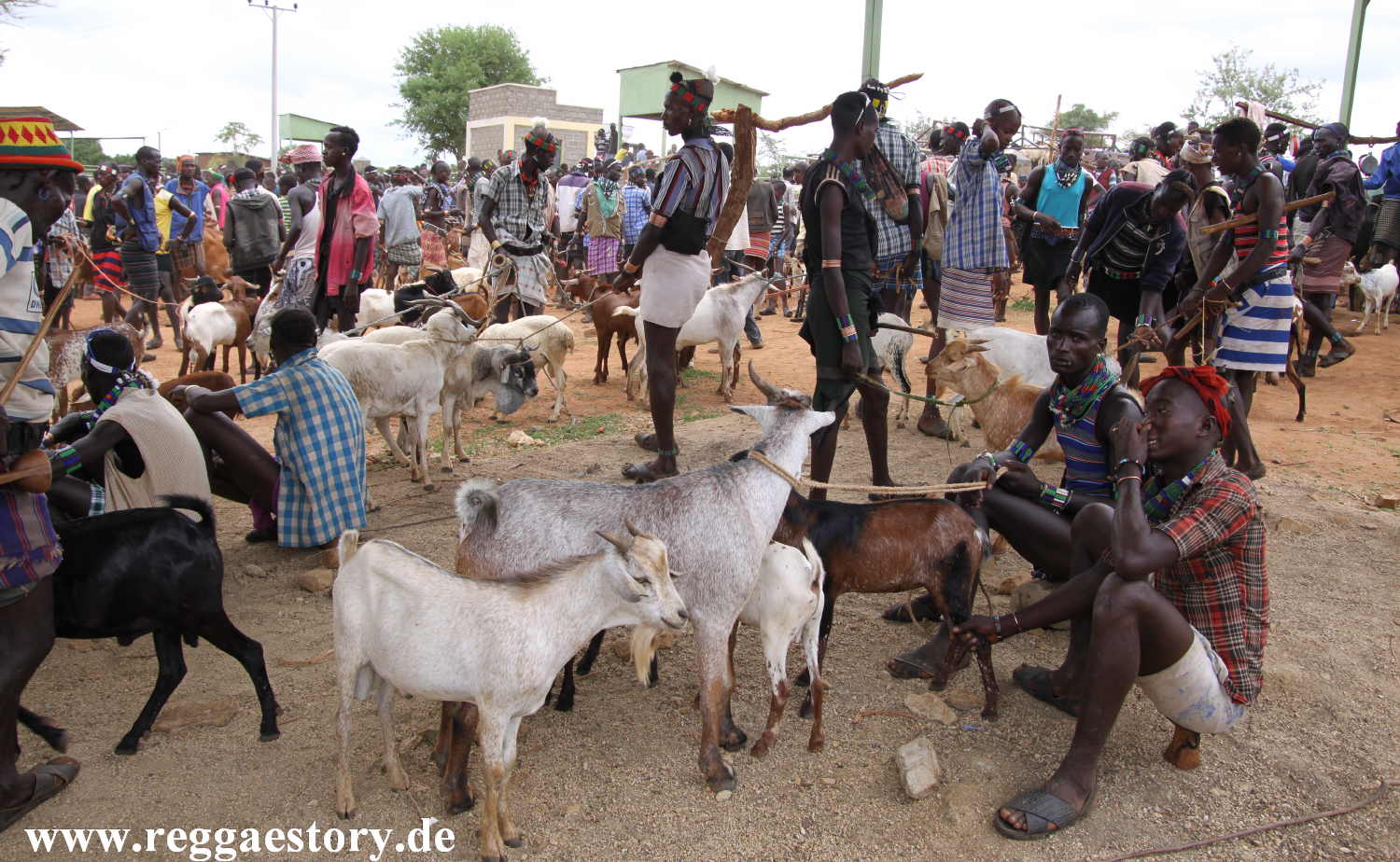 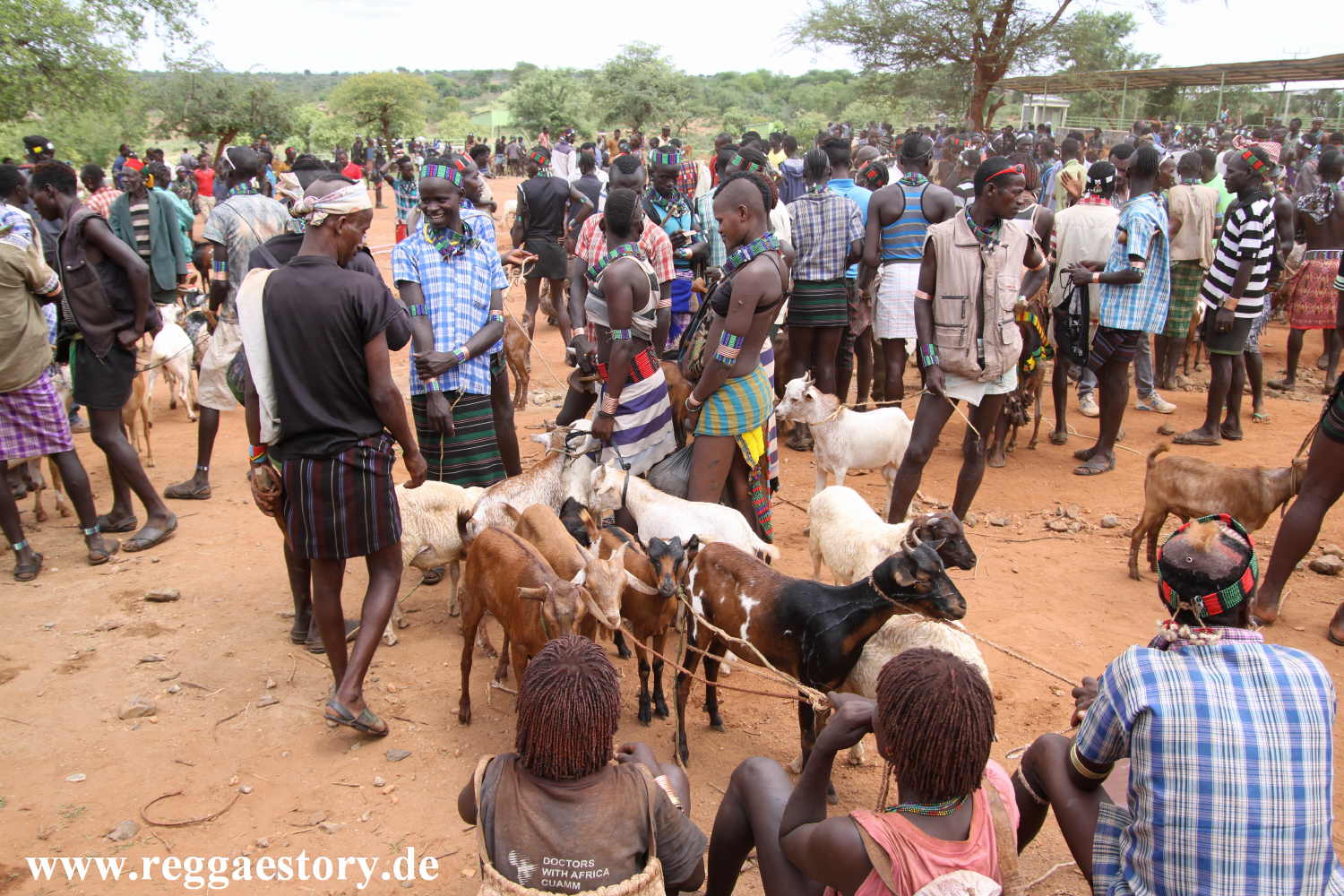 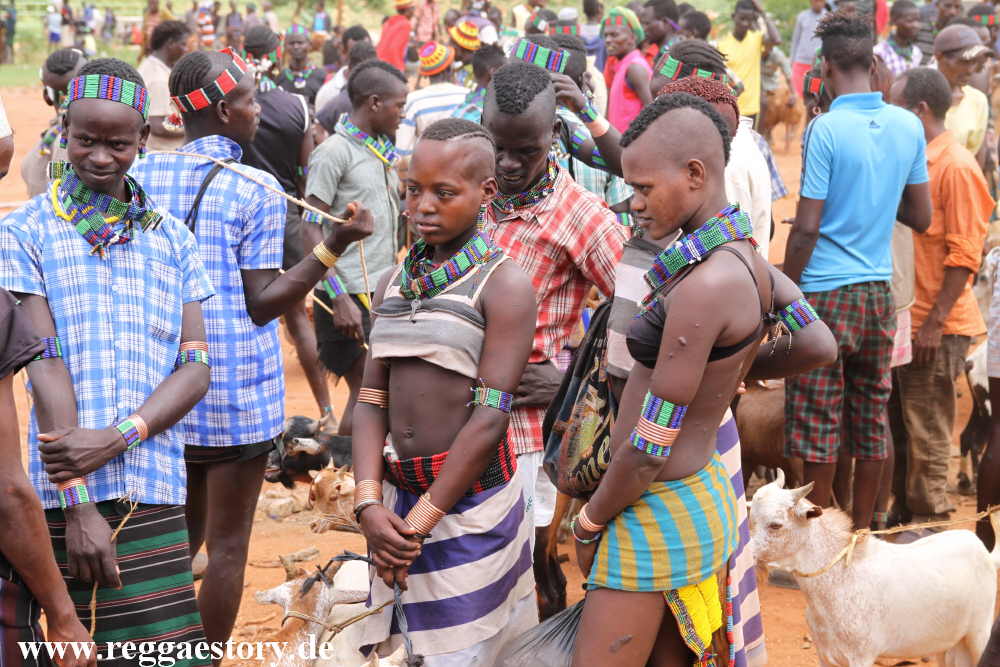 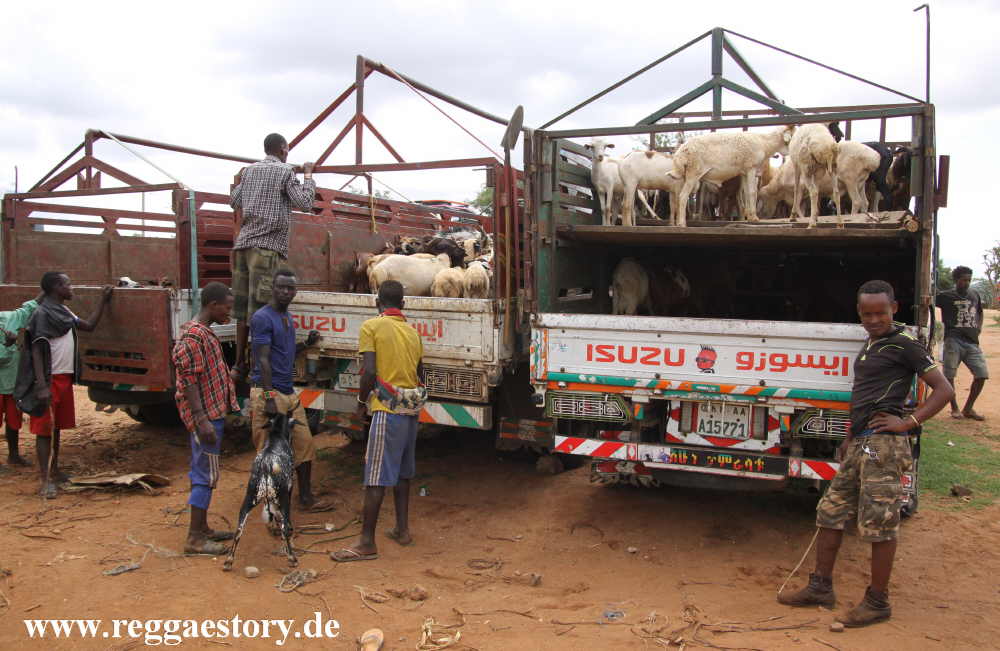 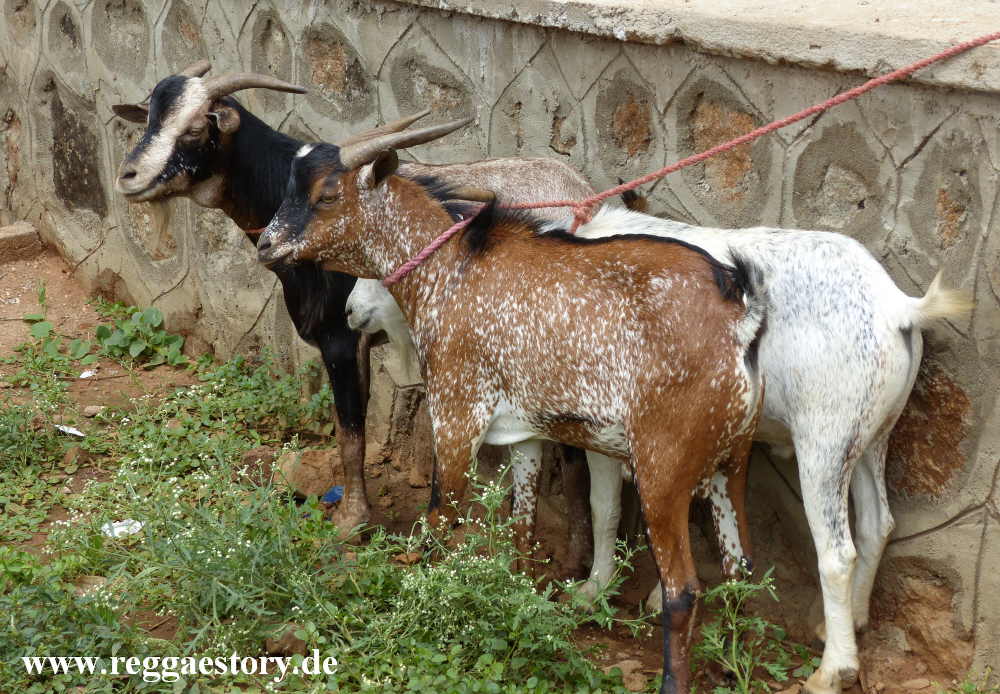 Image 818 - 822: At the Dimeka cattle market And here, in addition, a small tour in moving images, so that you can immerse yourself in the right atmosphere. Video: Dimeka cattle market We hike from the higher-lying area of the cattle market back down to the village, and we are still met by a few people with smaller herds of goats or even individual animals. The hustle and bustle of the market in Dimeka extends over many alleys and smaller squares. We start on the main street where a sound system has been established that apparently works like a manual jukebox. After all, you don't see tapes or CD-s going over the counter to the people here, but only money in the direction of the DJ-s. 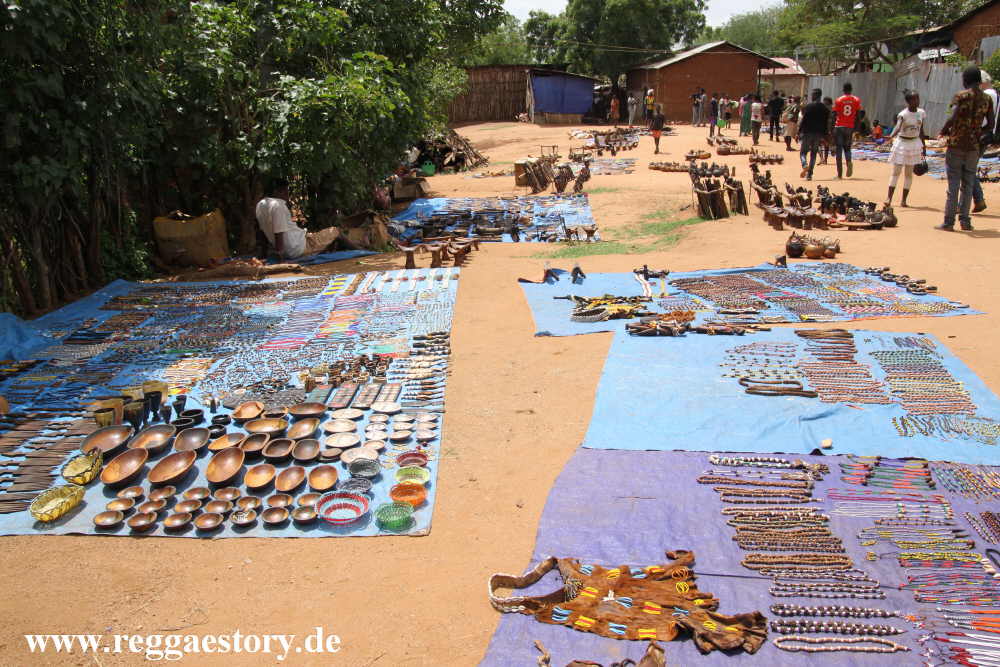 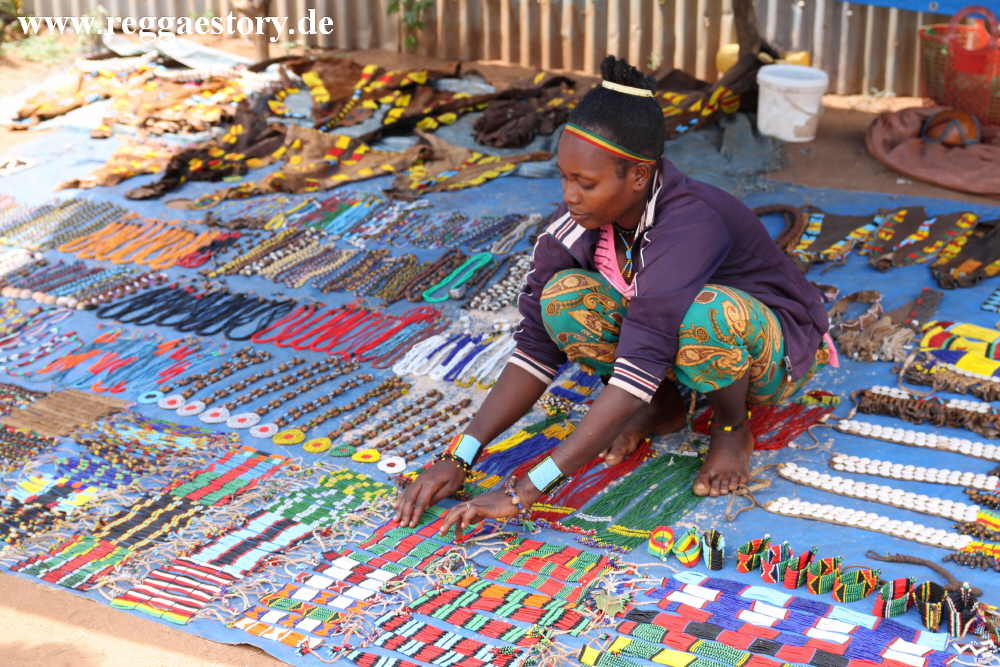 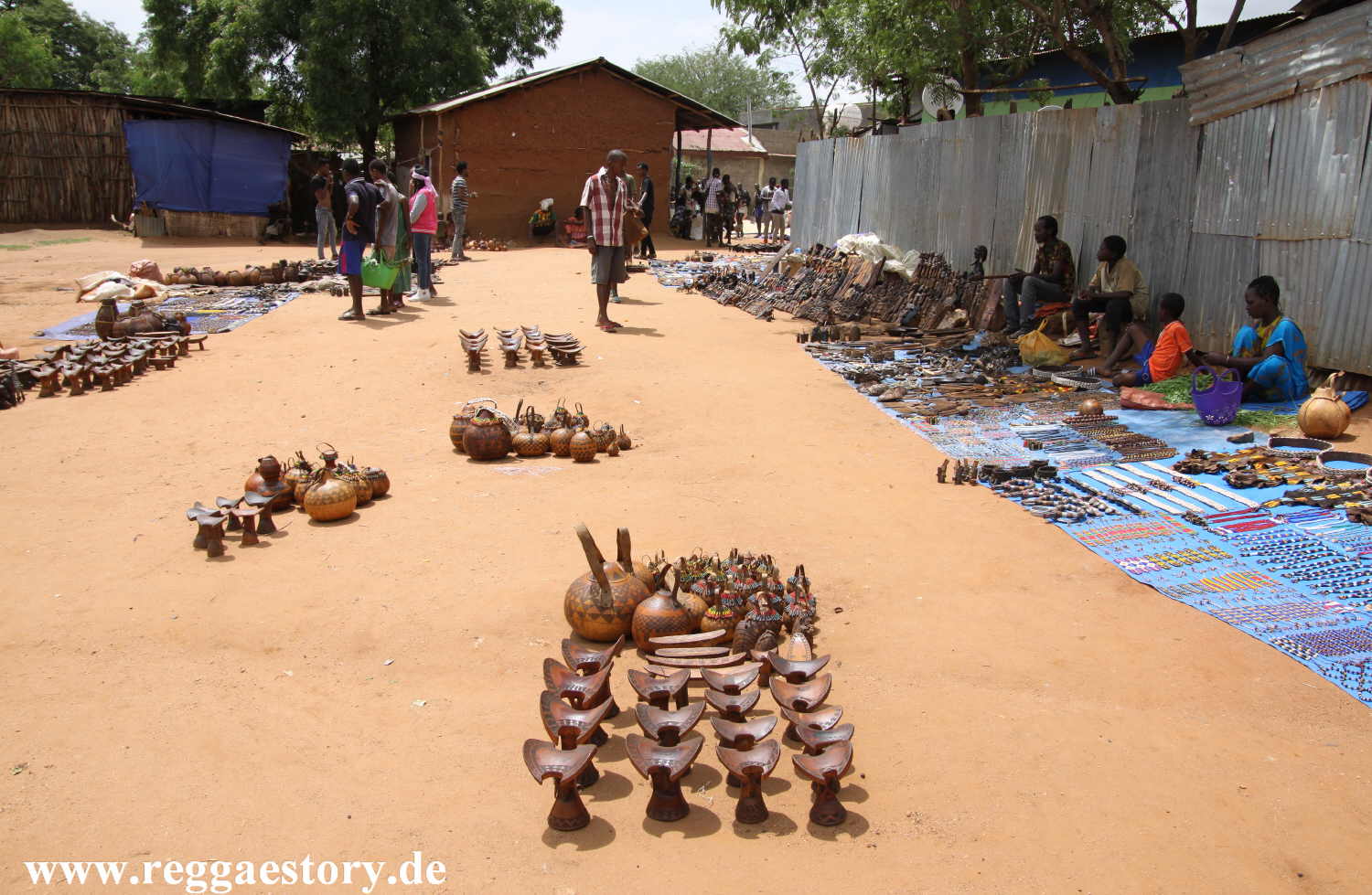 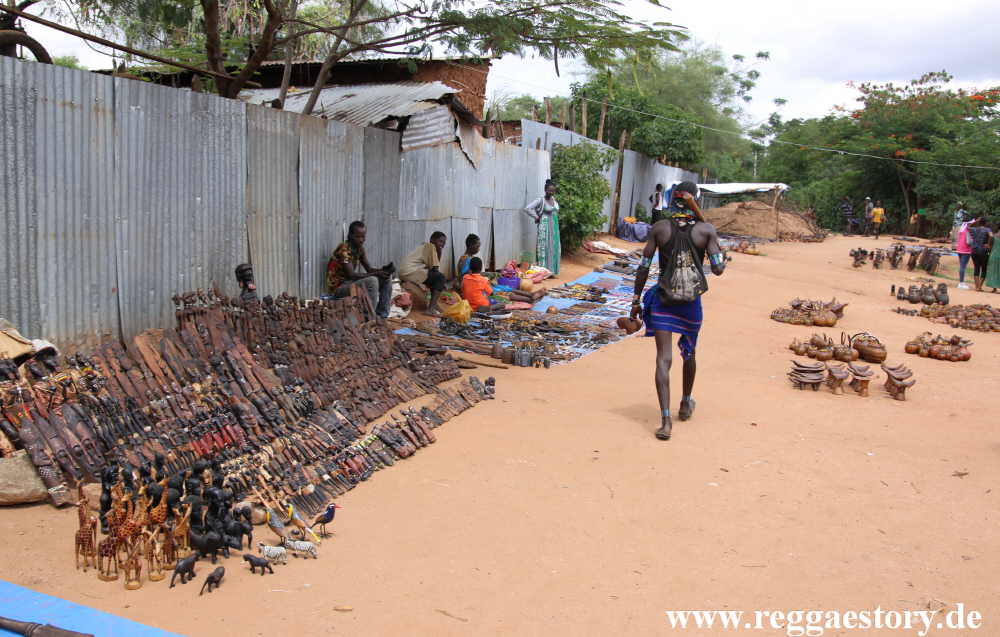 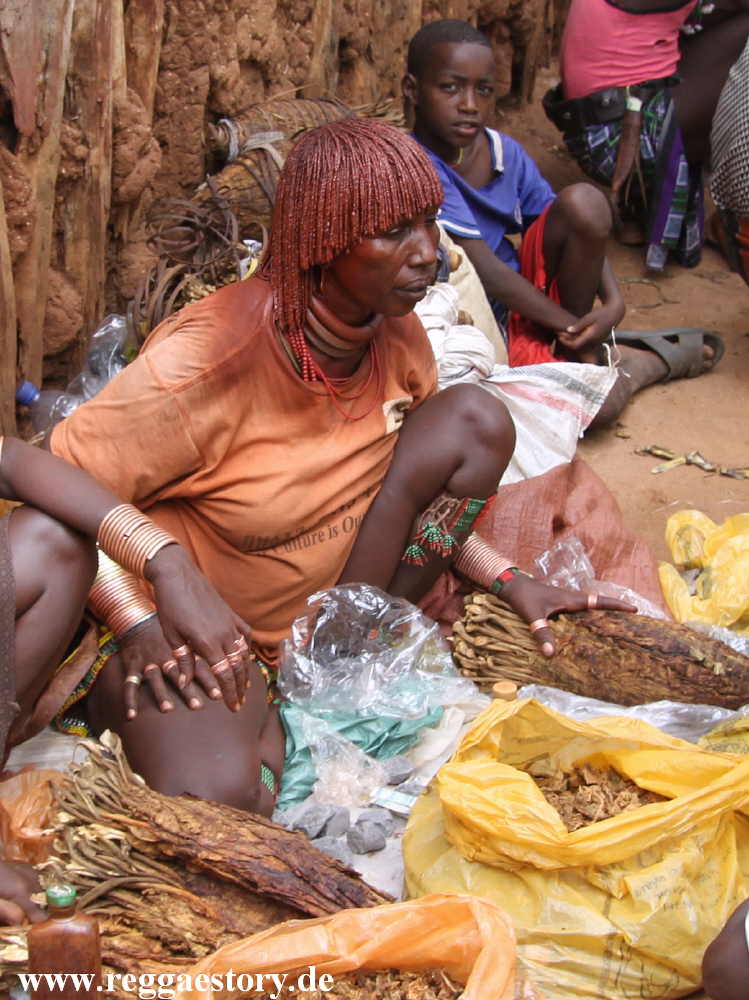
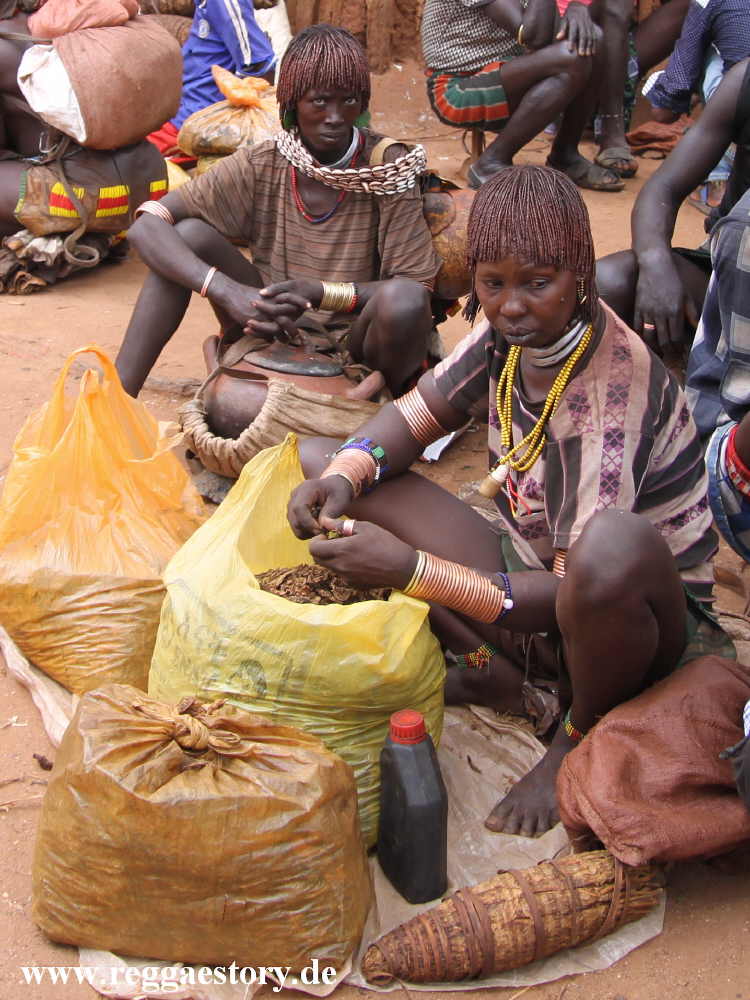 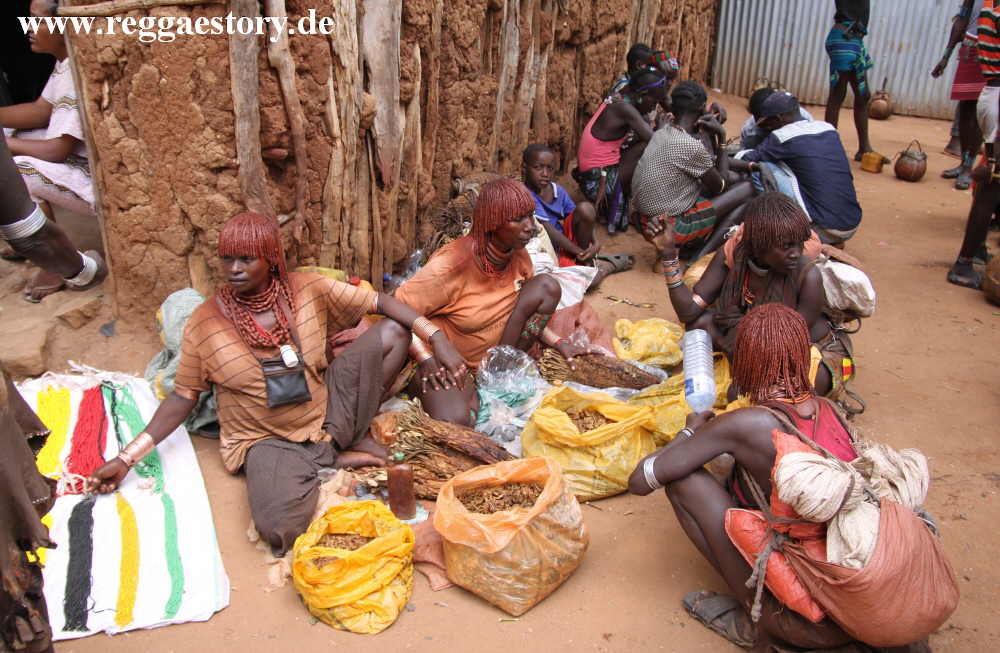 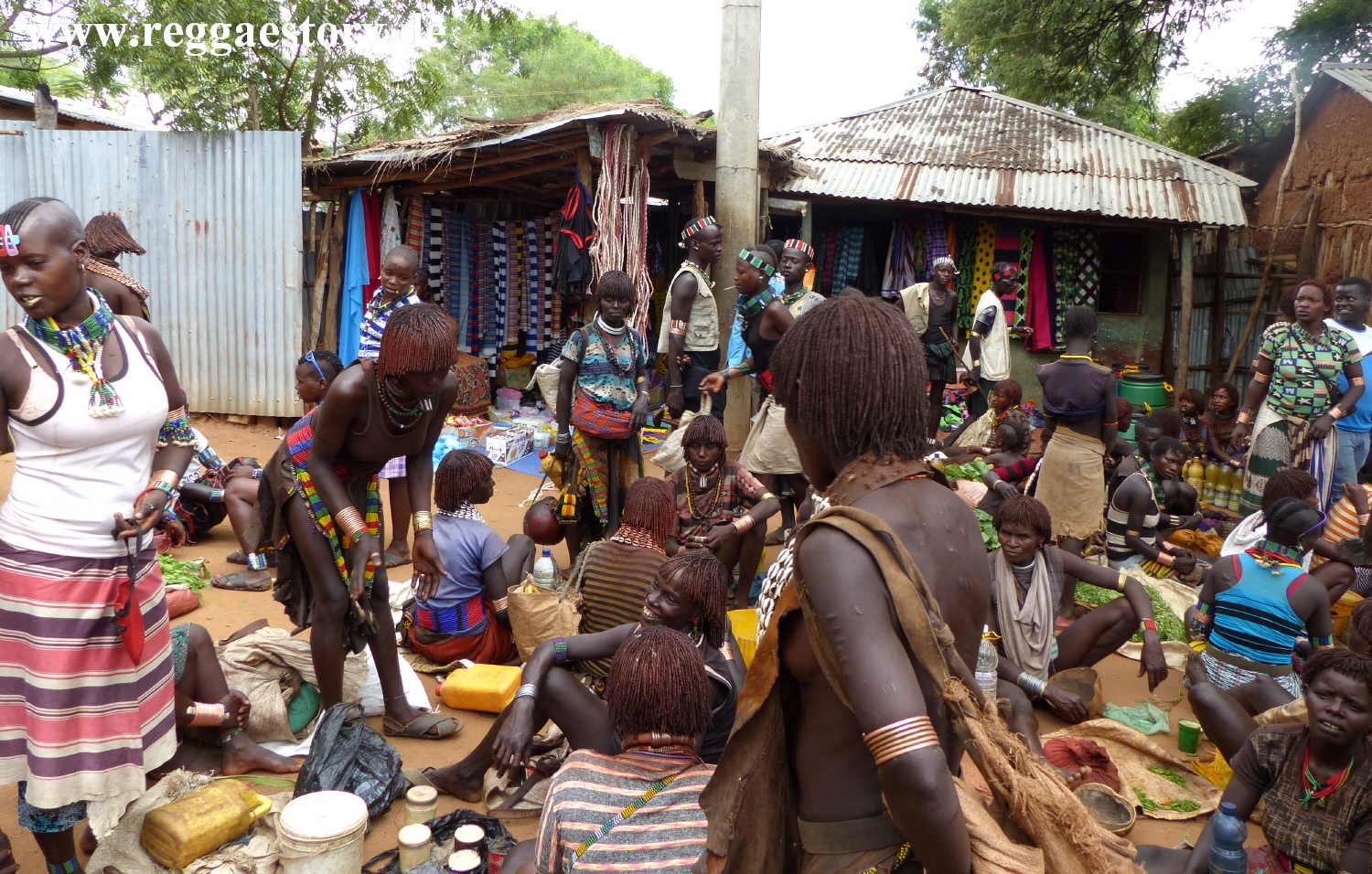 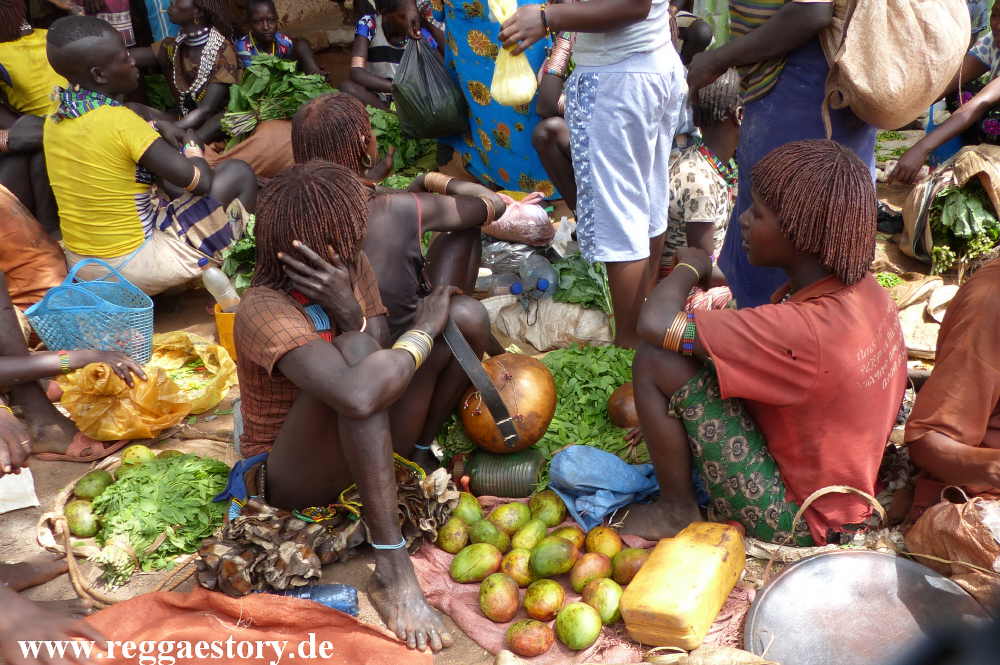 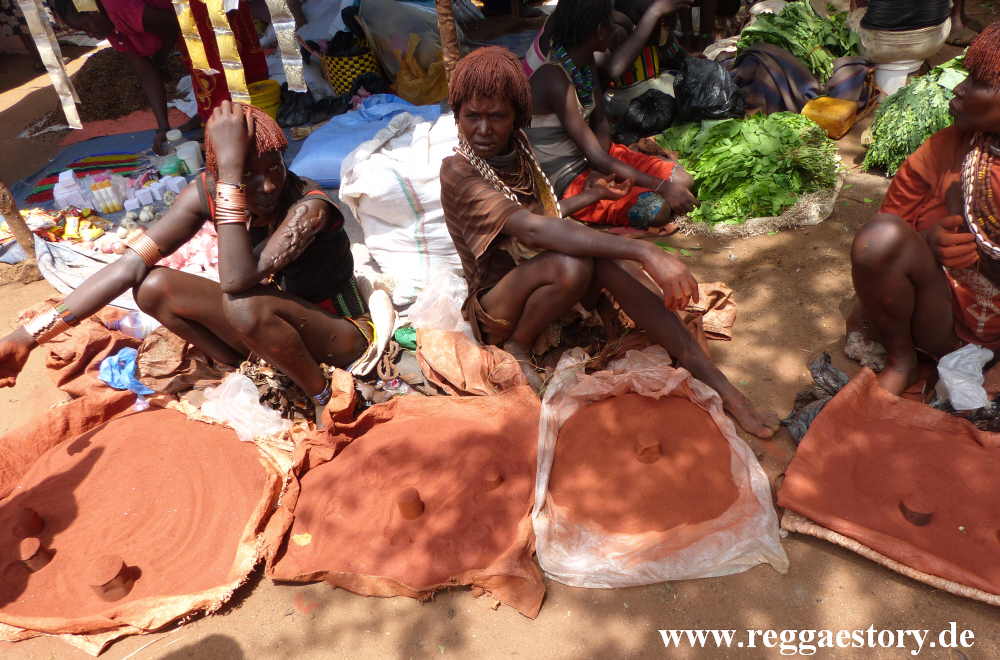 Image 823 - 832: At the weekly market in Dimeka Image 832: The clay minerals for the hairstyle Compared to the market day in Key Afer, there is a similar range here, but partly in a more interesting environment. We also have the impression to meet significantly more Hamer and / or Banna with the red-dyed hair. The dealers with the handicrafts seem to be the same, and as confirmation of our suspicion, one of the dealers actually welcomes us and says he knows us from Key Afer. There is a considerable distance of around 100 kilometers by road between the towns, but the traders are dependent on market days like these. And whether it is Hamer or Banna - both ethnic groups wear the same jewelry and use the same objects. In any case, nobody can count on tourists at the moment. Once again we don't meet a single tourist and are quite happy about it. 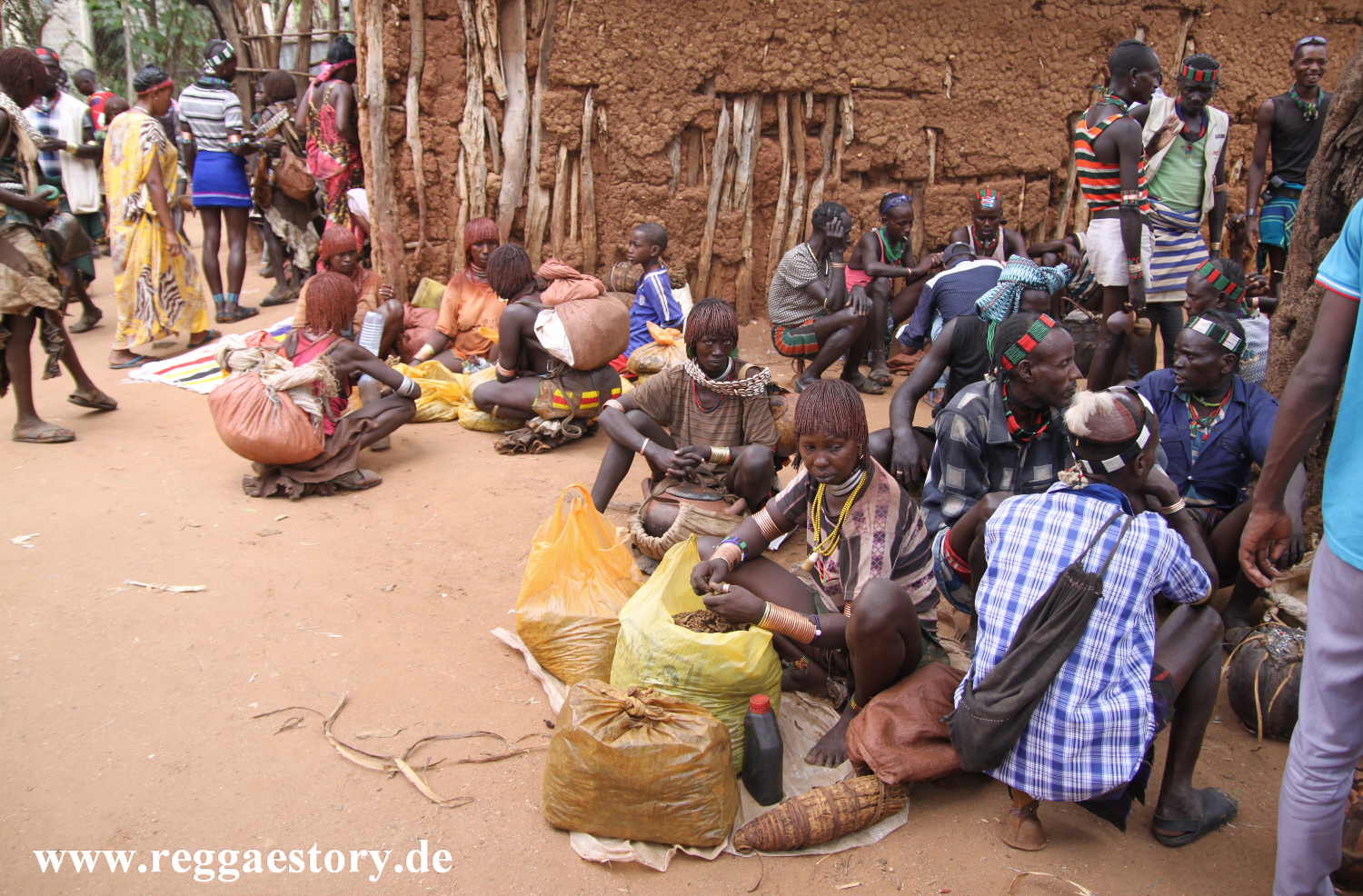 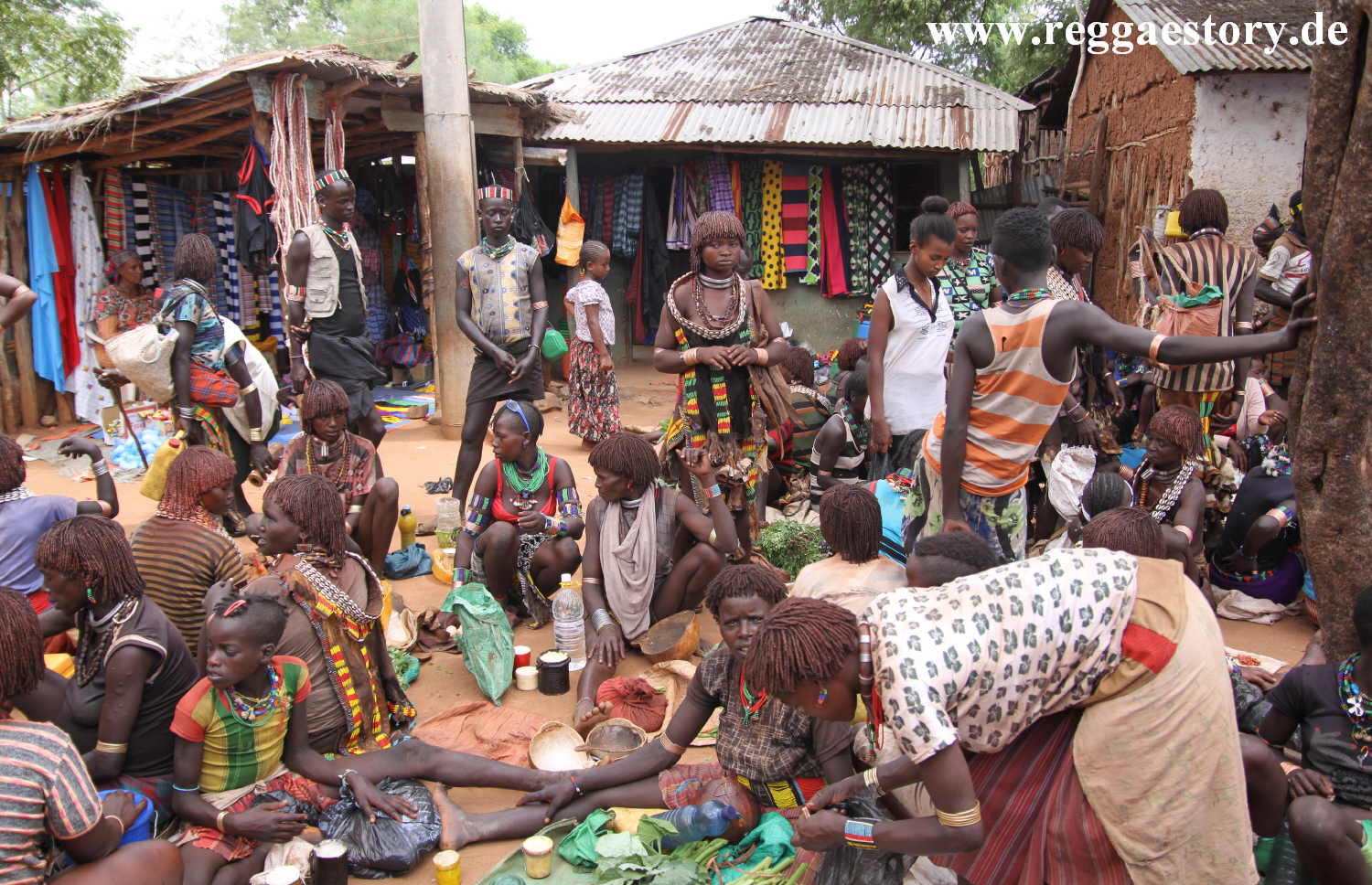 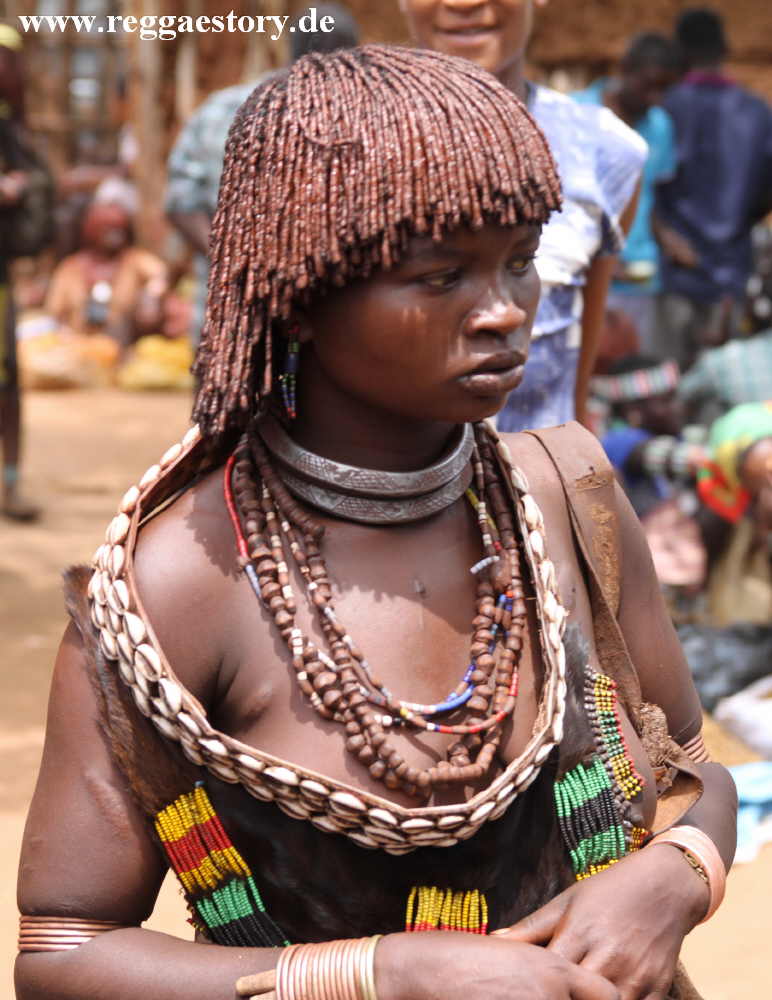
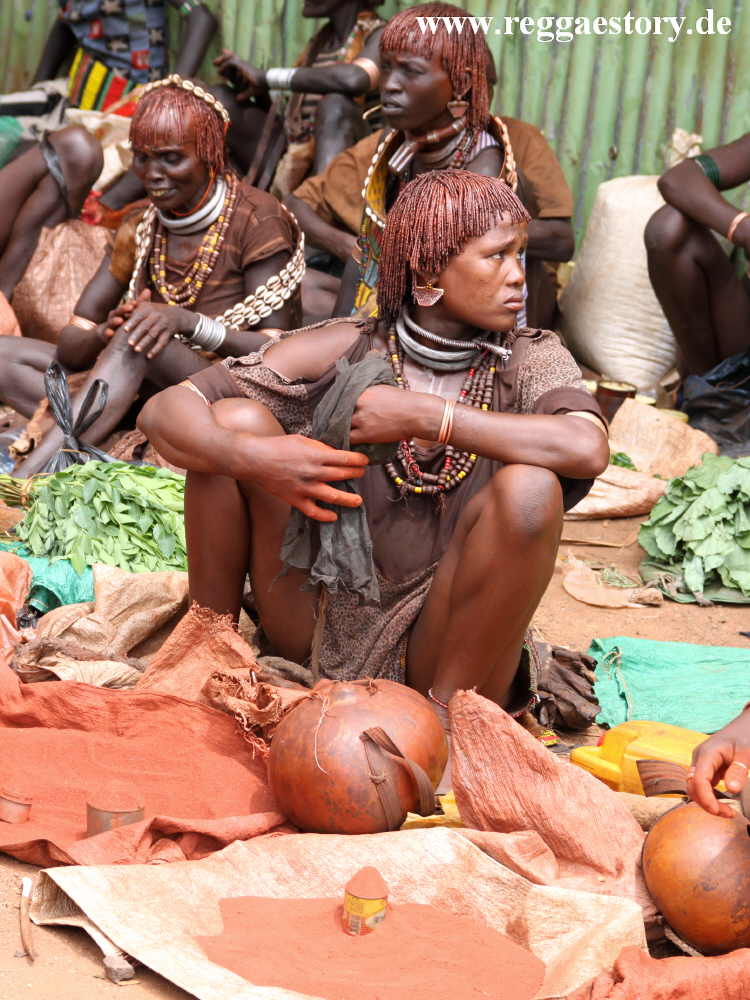 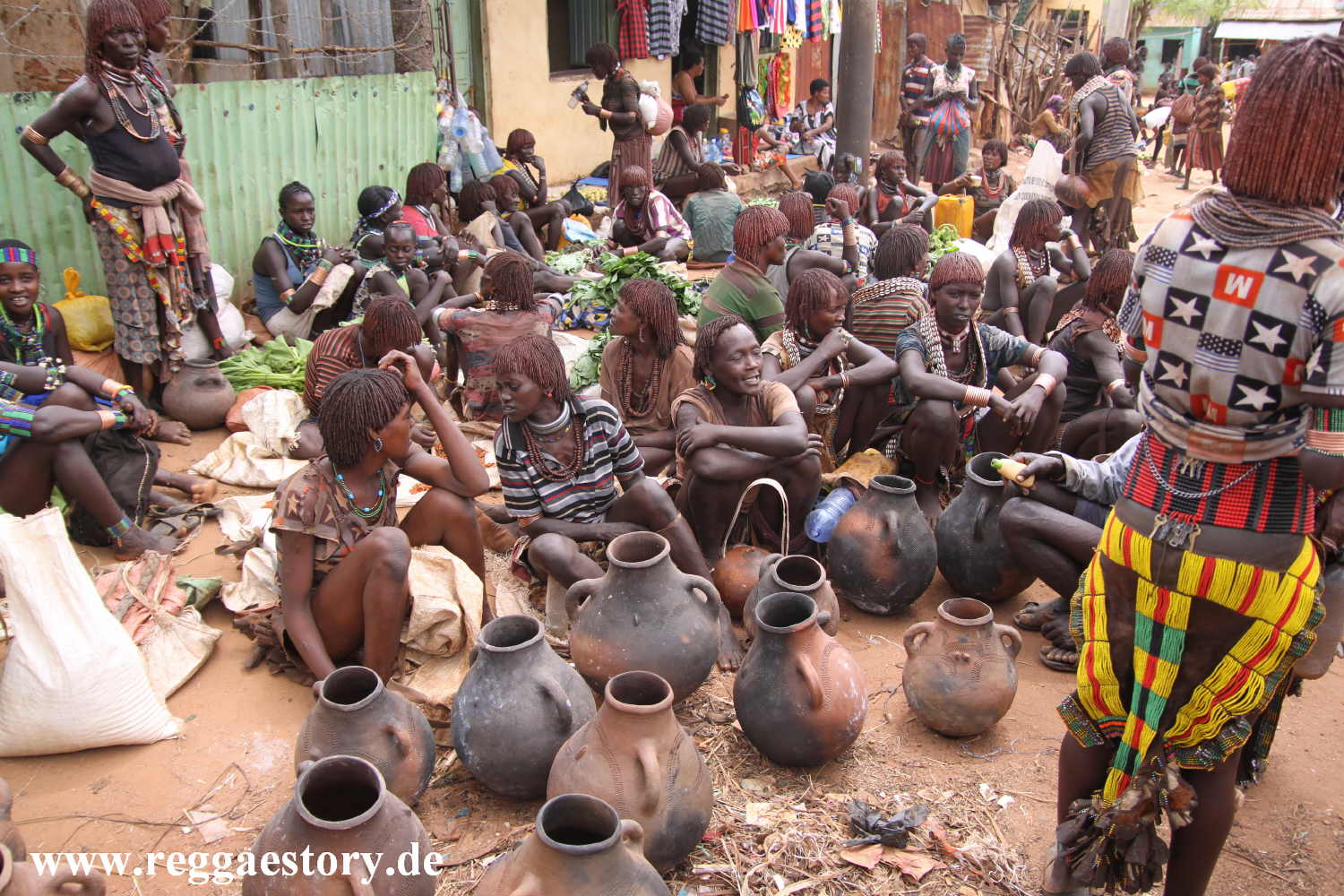 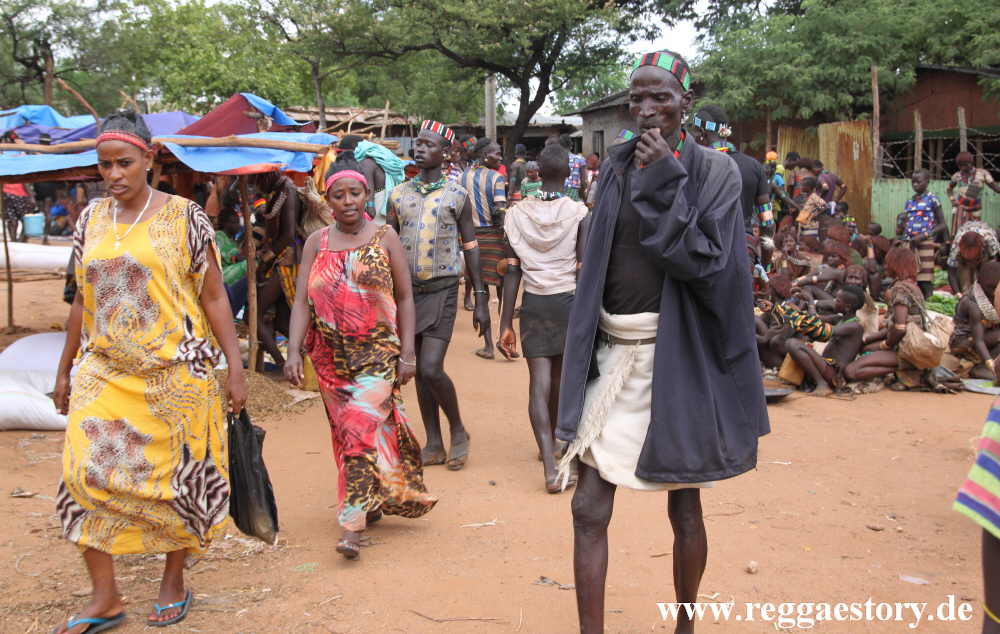 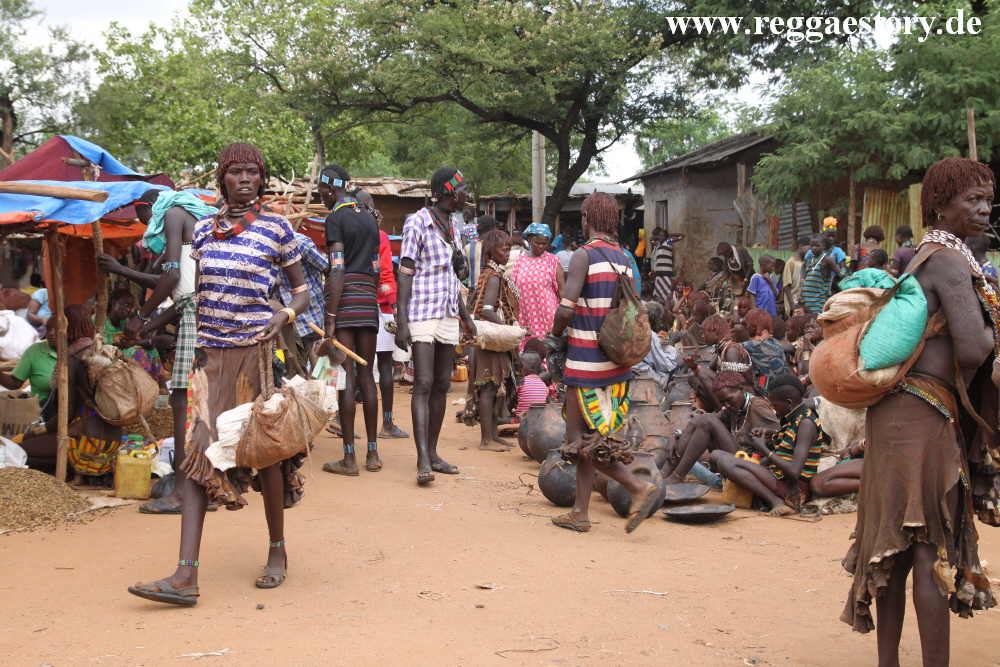 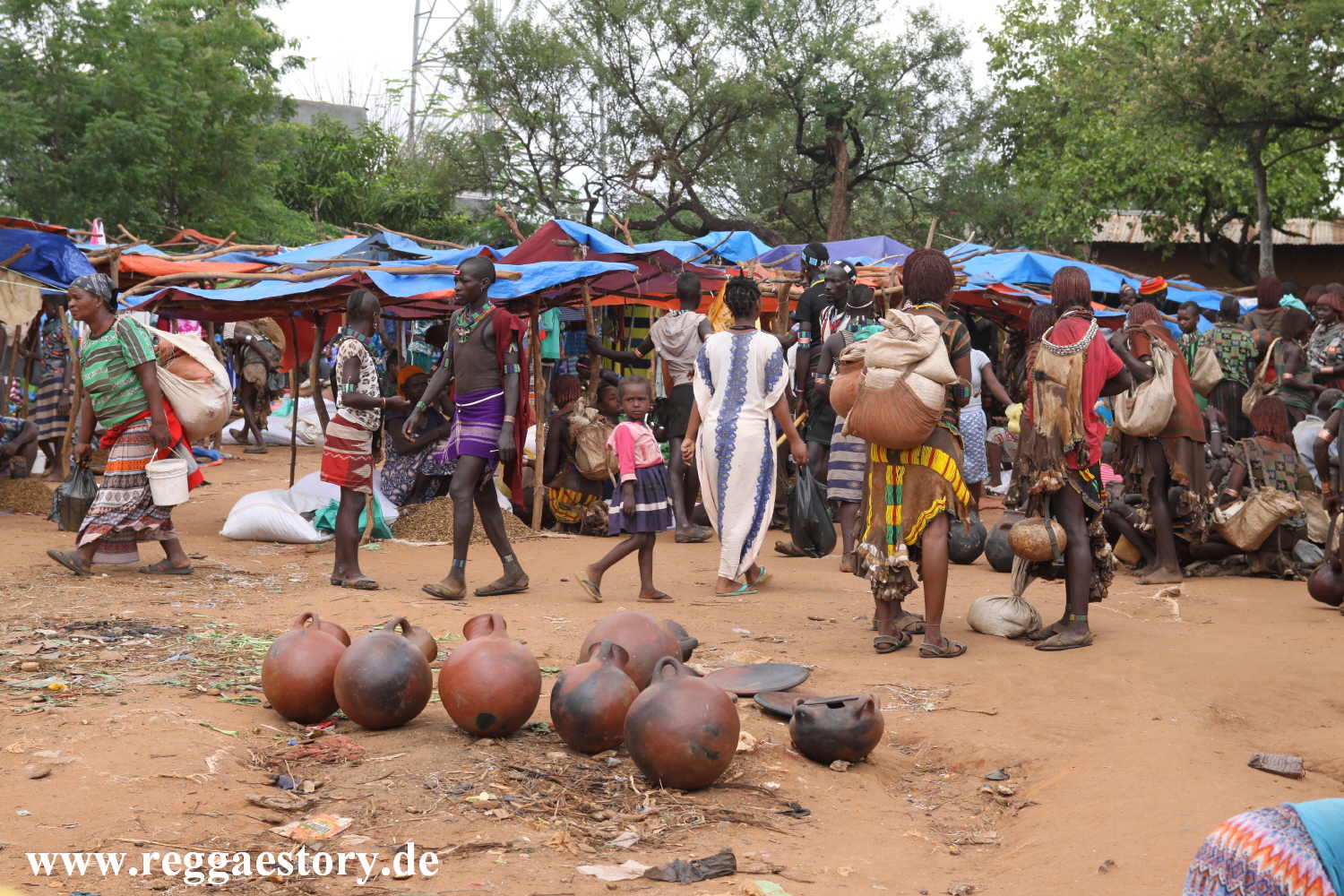 Image 833 - 840: At the weekly market in Dimeka Now an inconspicuous place, a canister of Tej and then watch the hustle and bustle for hours. That would be great. Perhaps you should also get a wooden headrest that almost every local person carries with them because they are also used as seating. 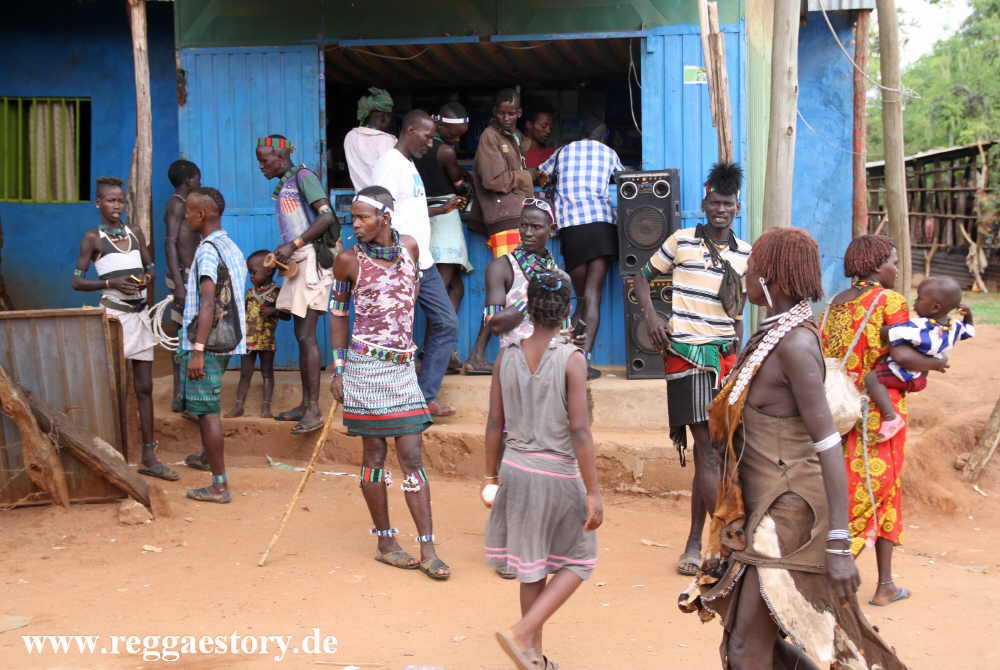 Image 841: Back to the sound system on the main street 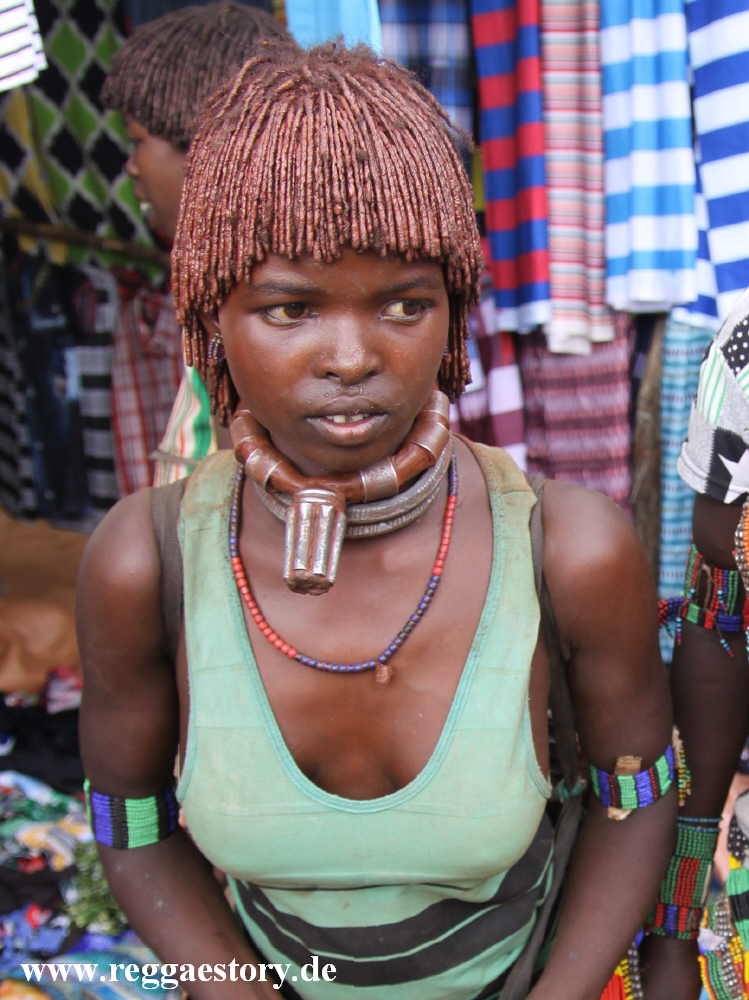
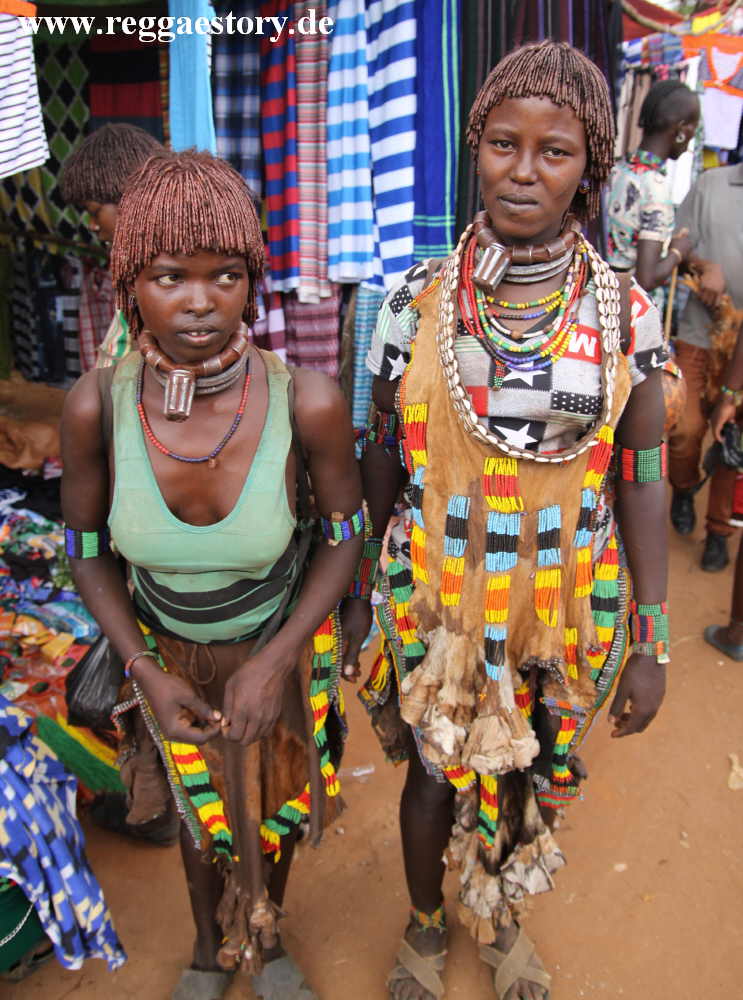 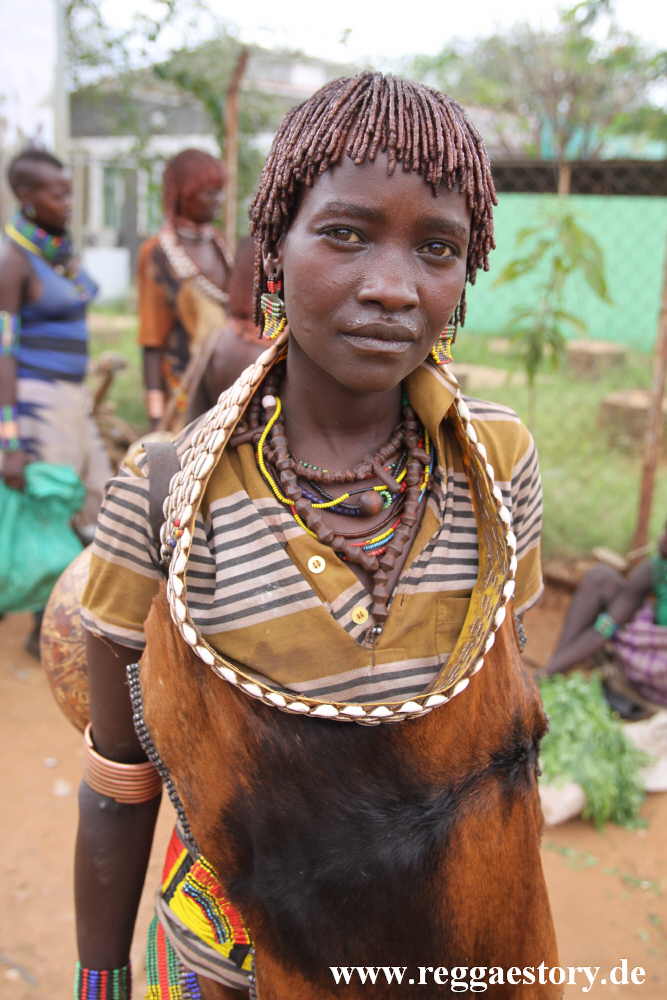
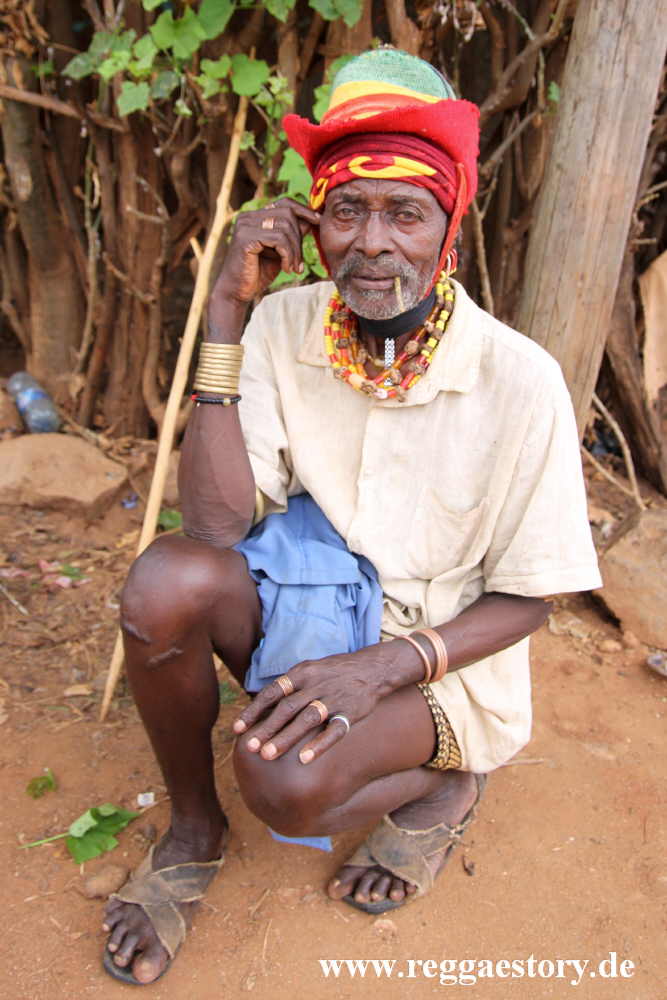 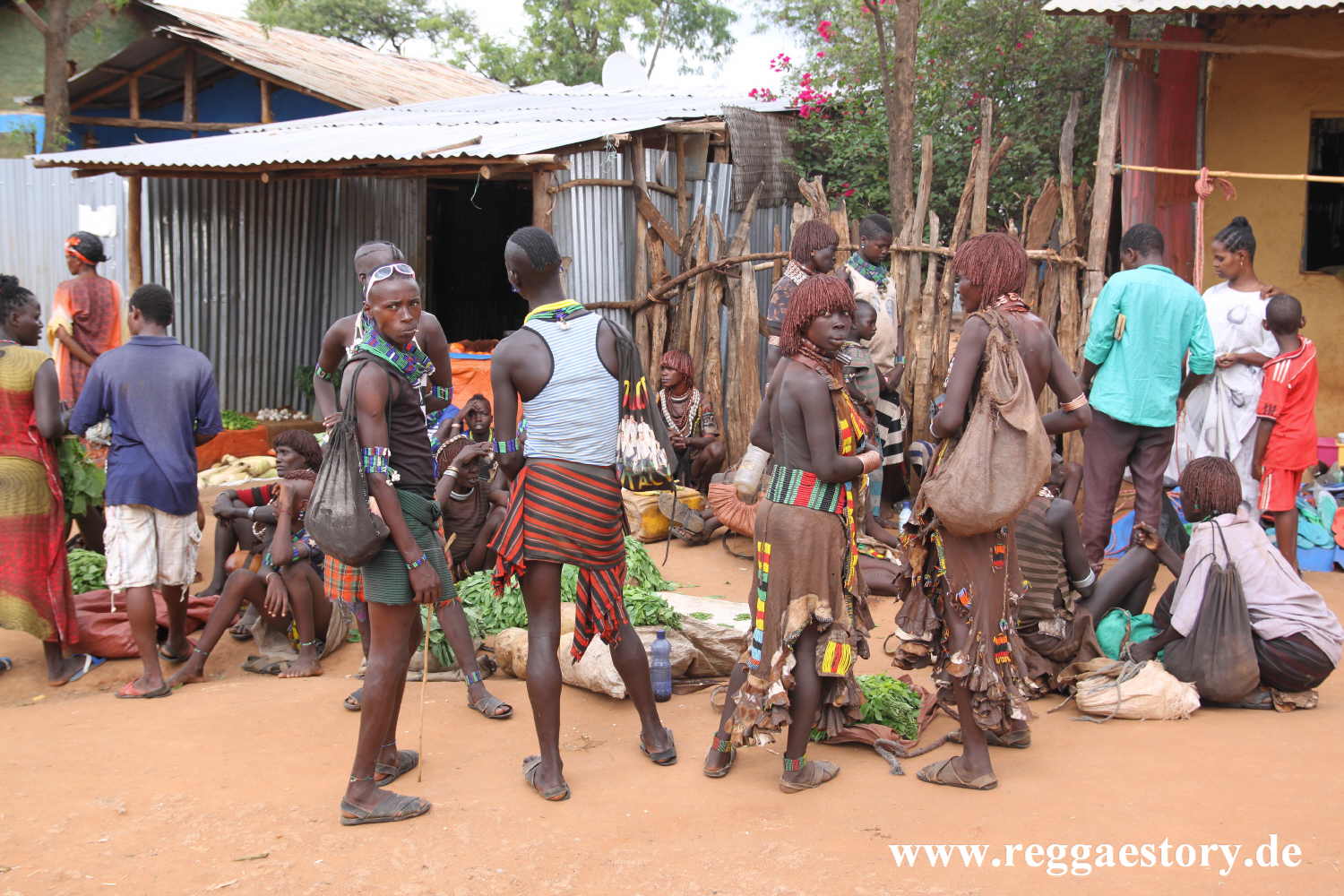 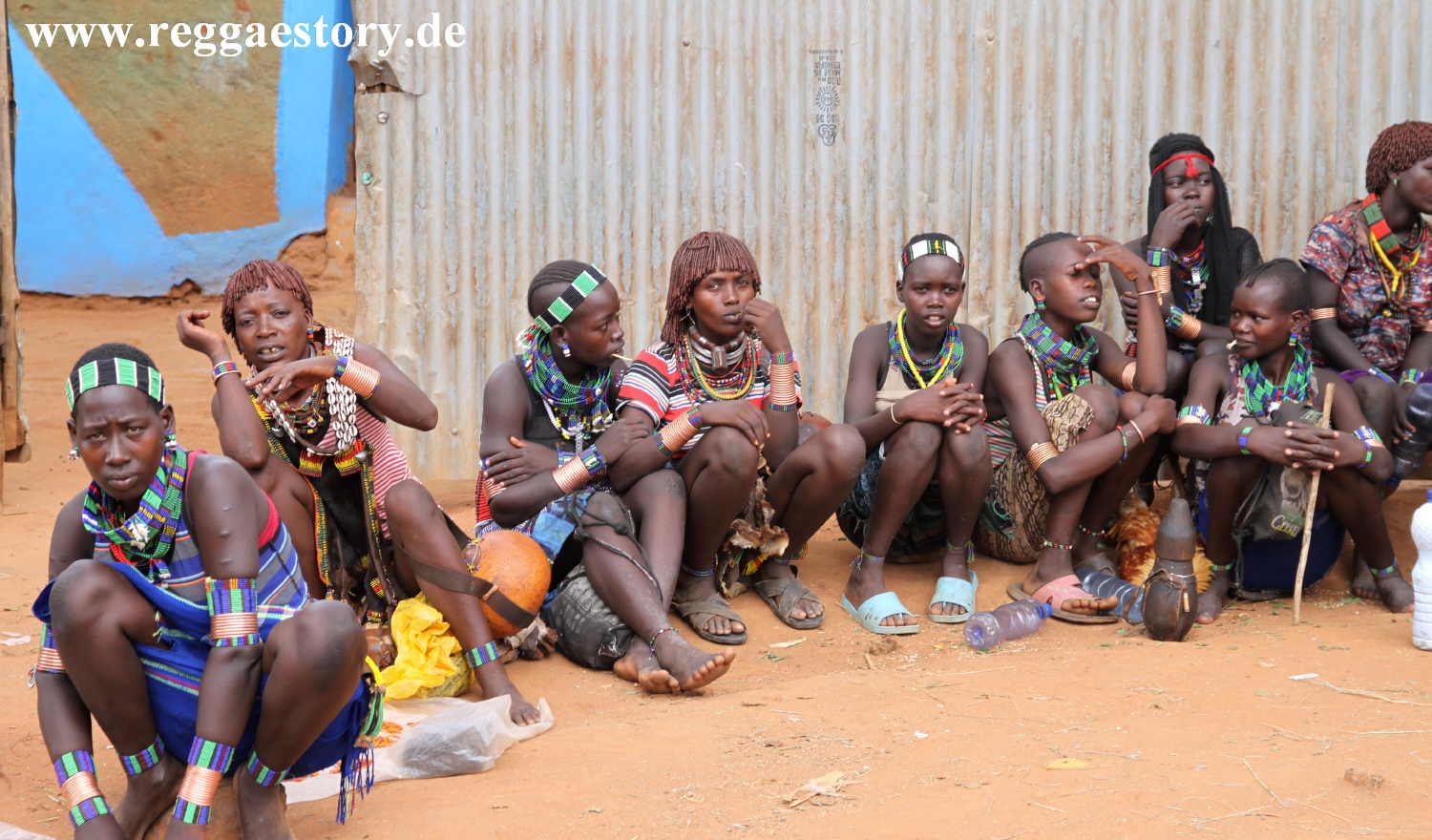 Image 842 - 847: In Dimeka Video: Dimeka's weekly market In Dimeka there should also be a couple of Tej bars somewhere on the edge of the market area, where we could have made ourselves comfortable. Unfortunately, this does not occur to Mastu and we "have" to go back to our lodge at lunchtime. 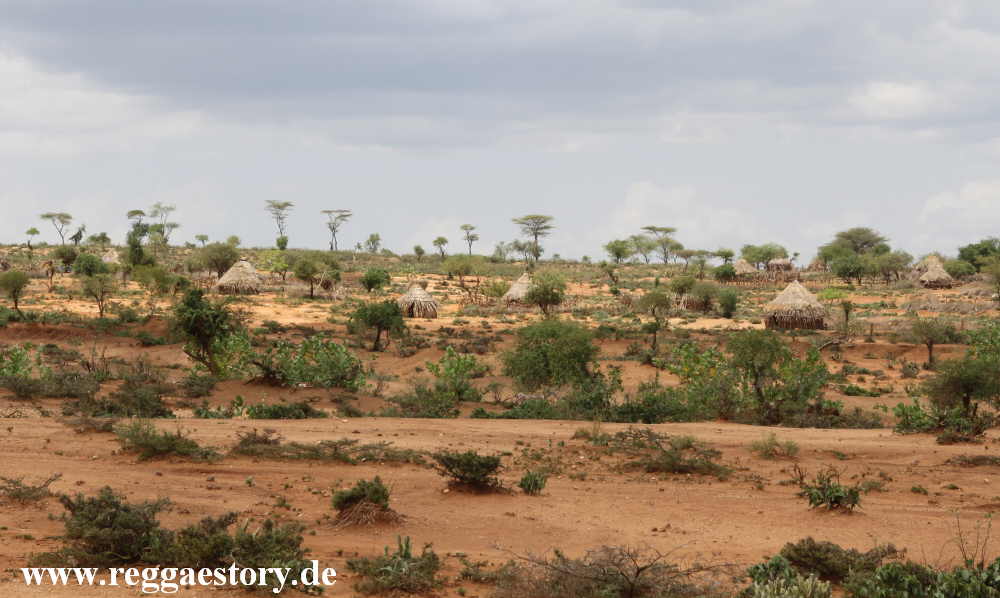 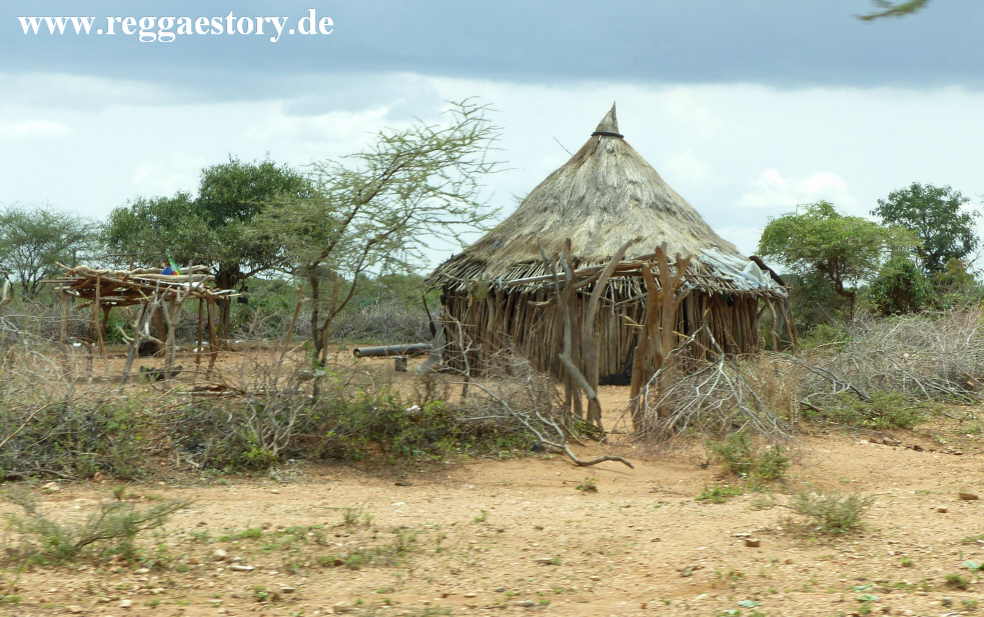 Image 848 + 849: Typical landscape and round huts between Dimeka and Turmi It's just 1 p.m. and we're not hungry anyway. Now there is a lot of free time on the program, because before we go to the Hamerdorf, Mastu wants to let the evening come. This long inactivity is of course not for me at all and so, at least for my part, I go out into the African bush again. 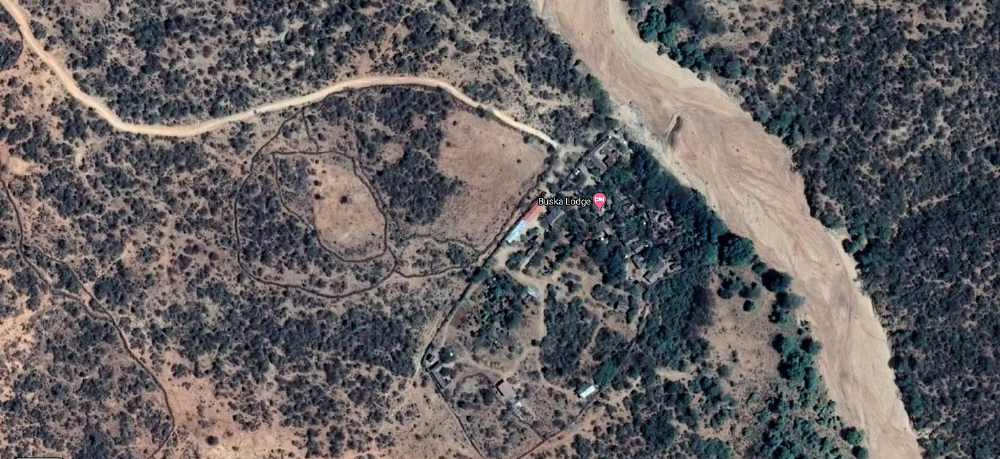 Image 850: Google Map - Location of the Buska Lodge - Simply click on the image or link and continue exploring the location. Let's go around the lodge to the north, make a detour to the river bed and then continue through the bush on the west bank of the river until we come to the sand track further north, where there is a ford through the river. 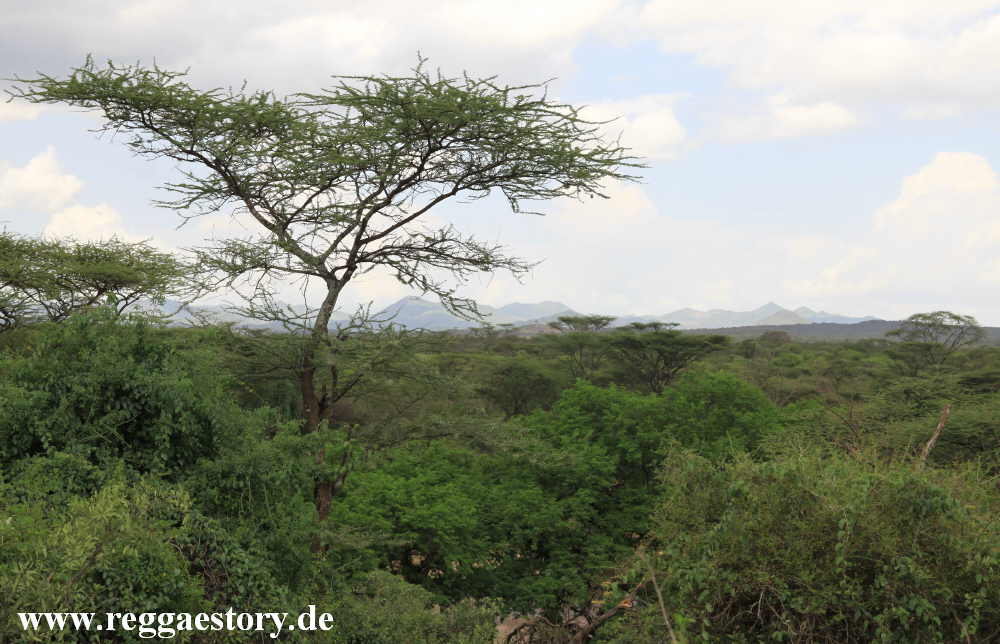 Image 851: View of the landscape at the Buska Lodge - view from north to east 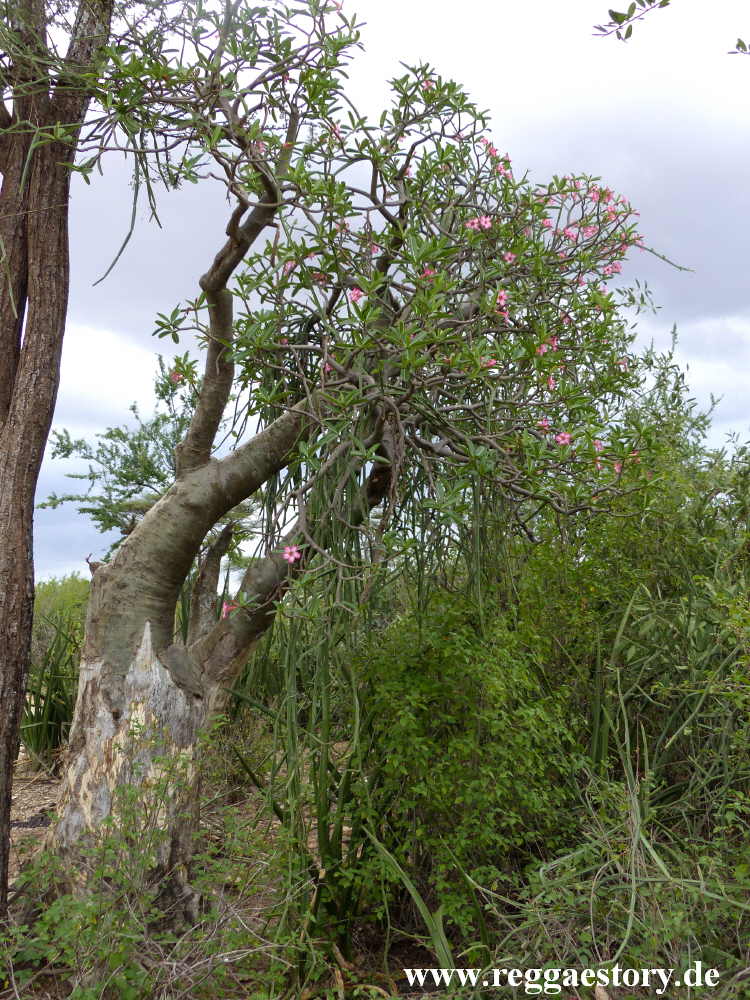
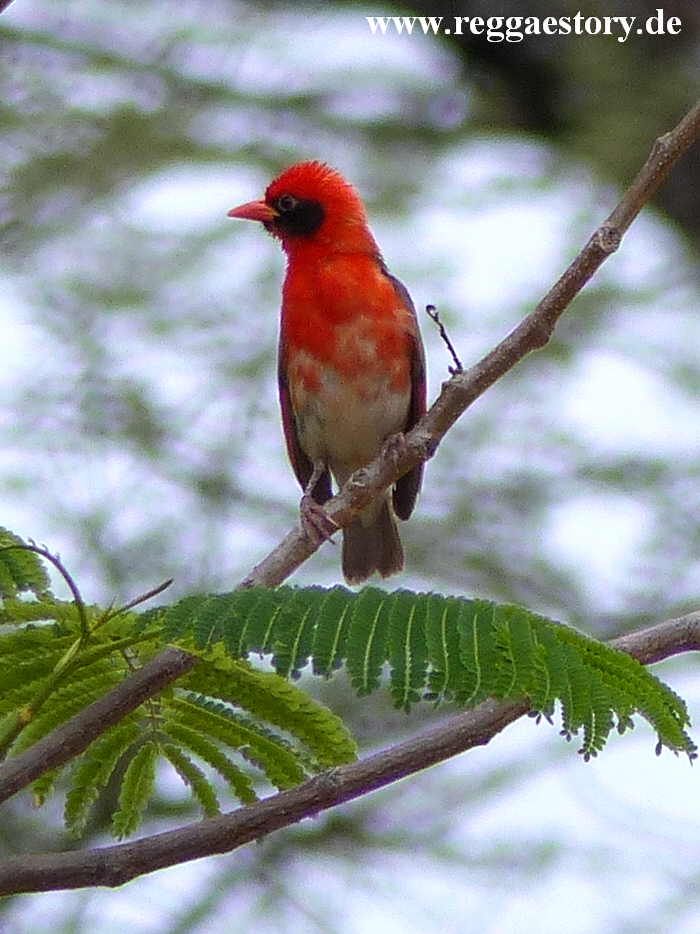 Image 852 + 853: Desert rose + Who are you then? On the hike I would also like to discover the so-called desert rose, which is said to be numerous in this area. Unfortunately, Mastu can't do anything with it, because my repeated questions about it always remained unanswered. But after all, I discover it myself not far from the lodge, and once you've seen it, you can see it from a great distance, even if it's not in bloom. 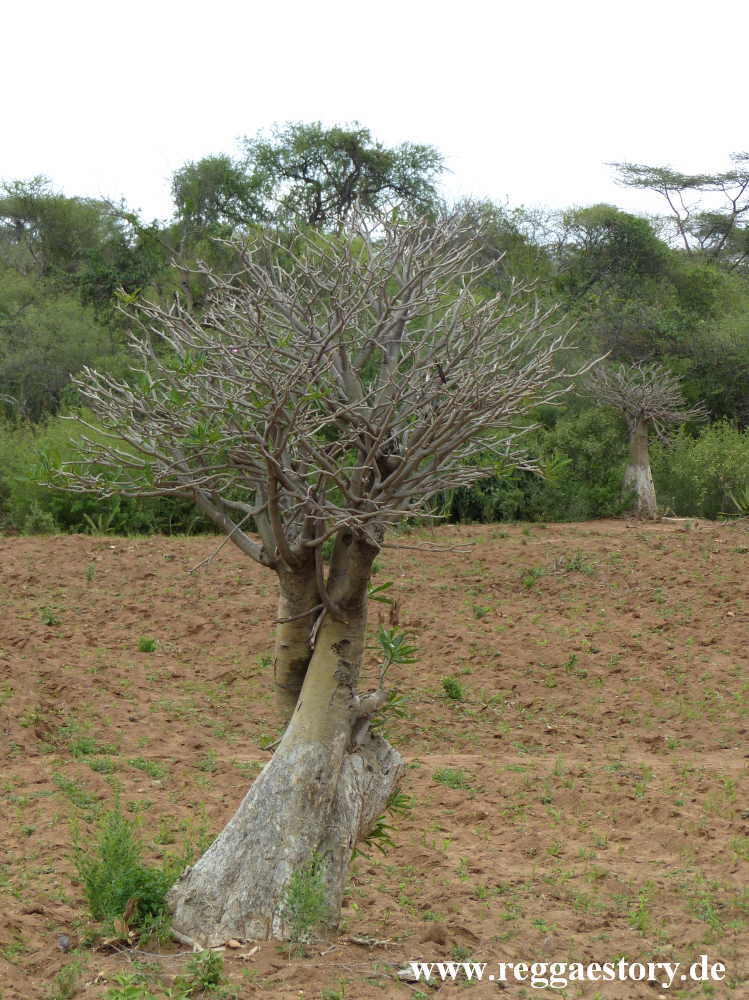
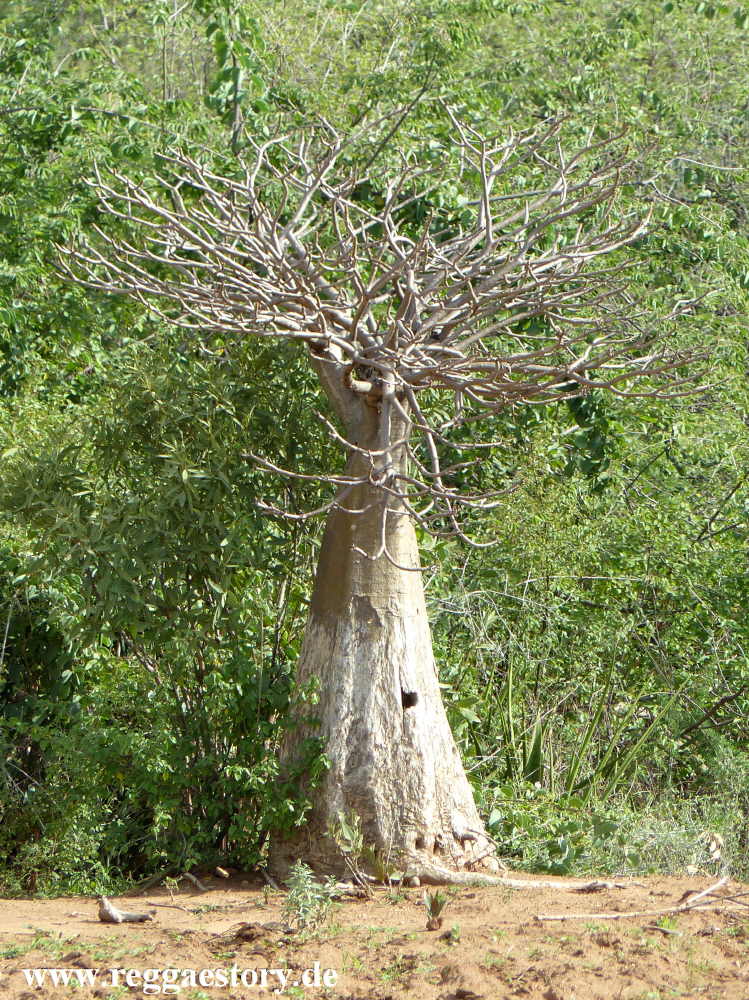 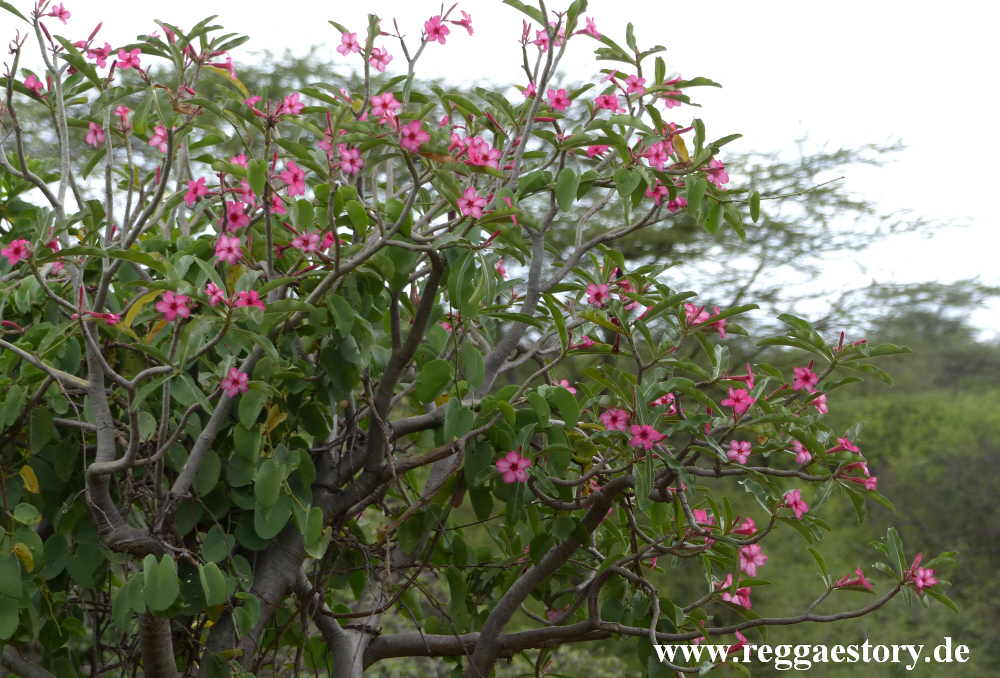 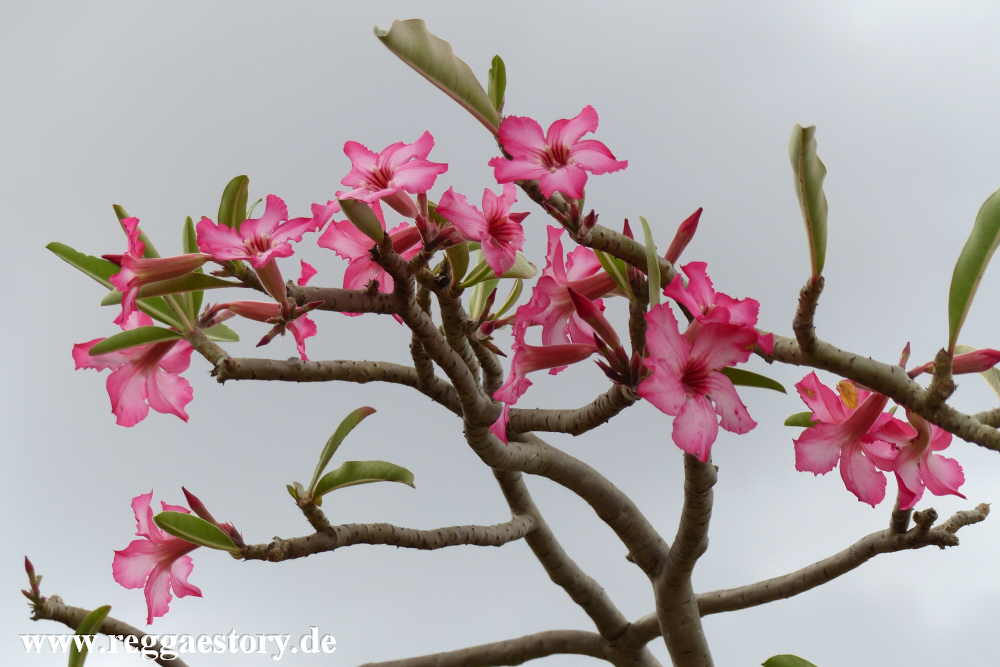 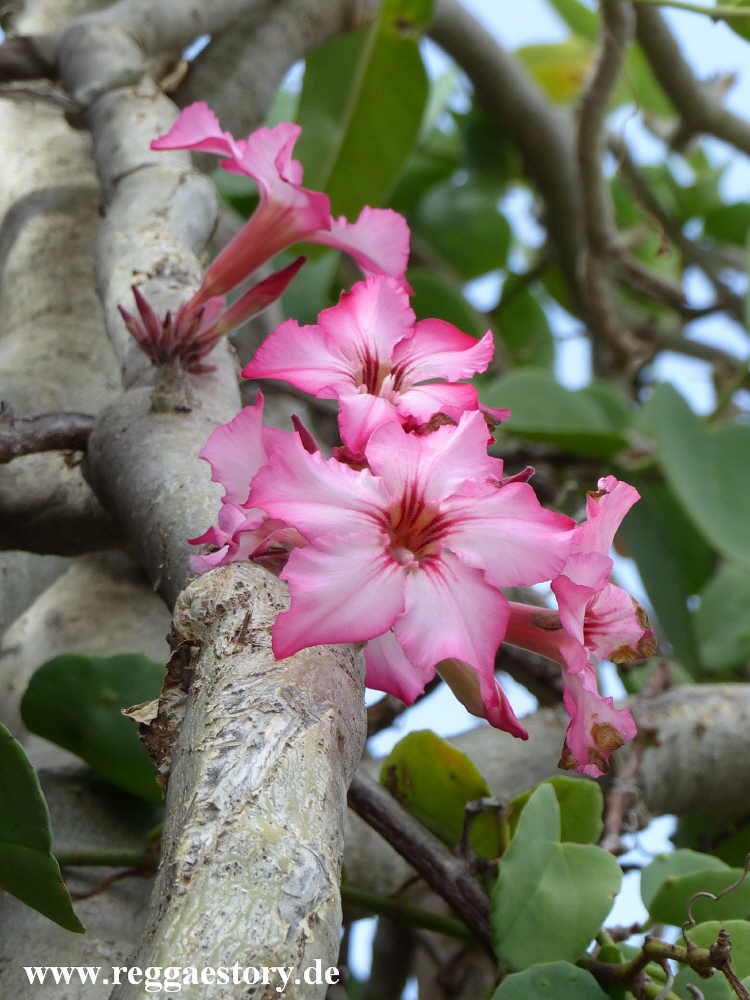
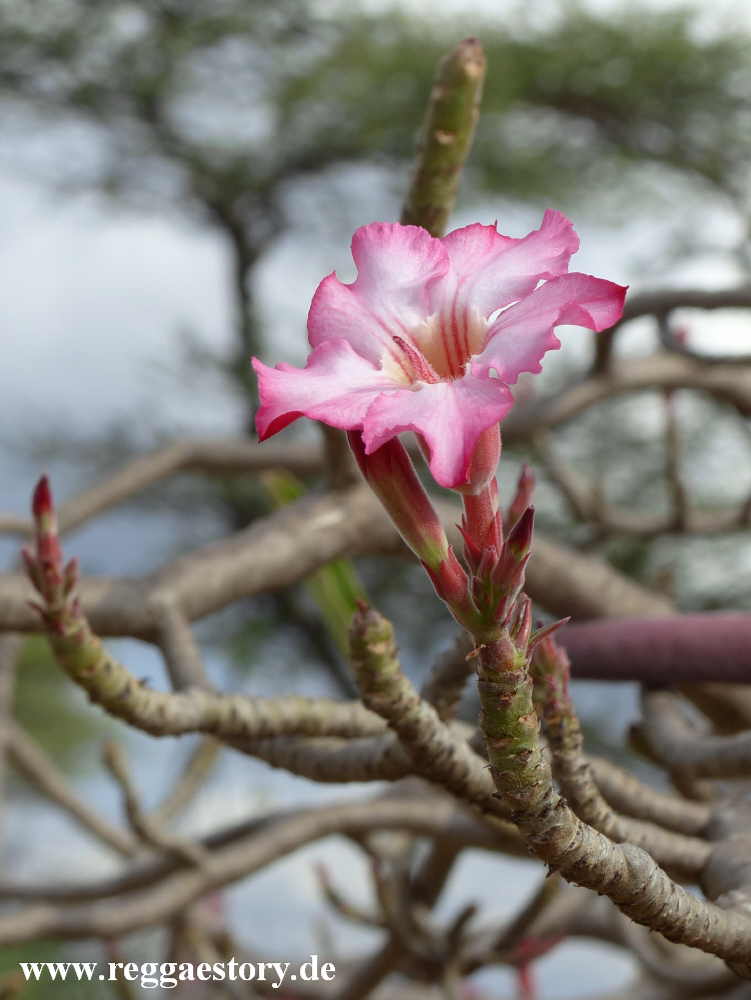 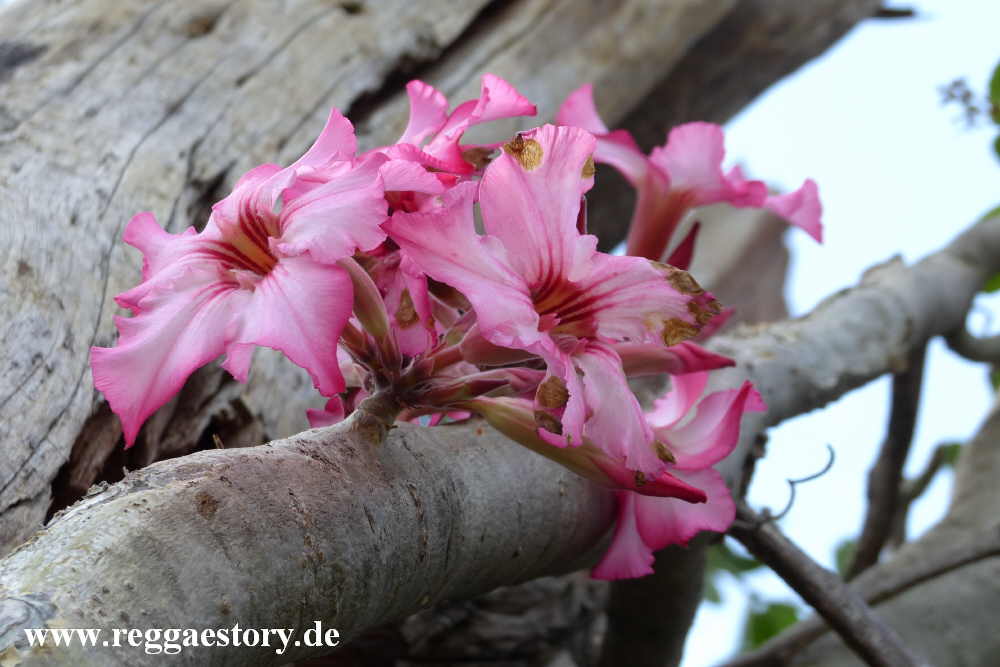 Image 854 - 860: The Desert rose (Adenium obesum), can even produce flowers directly on the trunk or older branches The desert roses are stem succulent dog poison plants that can reach heights of up to 5 meters. The trunks can reach a thickness of up to 2 meters in diameter and develop very interesting growth forms. From a distance, older logs look like someone painted them white at the bottom. You can find all the vegetation phases of the plant next to each other, whether bare, with leaves and flowers or just flowers. The most interesting are those specimens that only show flowers and have the thickest stems. If you break off parts of the plant, it exudes a sticky, milky sap. So be careful when "picking flowers"! ;-) In Germany you can also buy it as a houseplant in stores and, with good care, will have to be passed on to family members several times, because the plant can be several hundred years old. 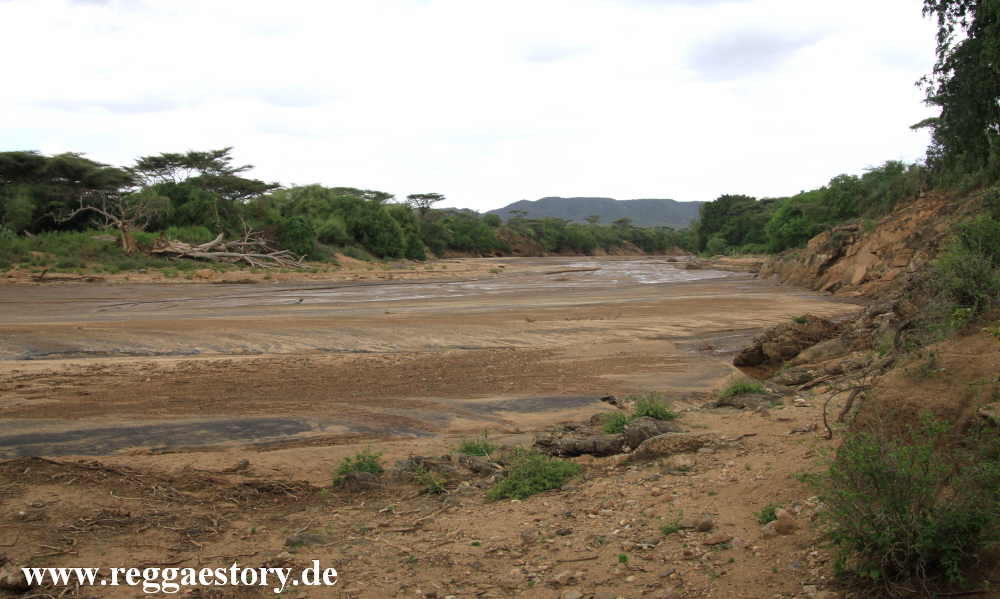 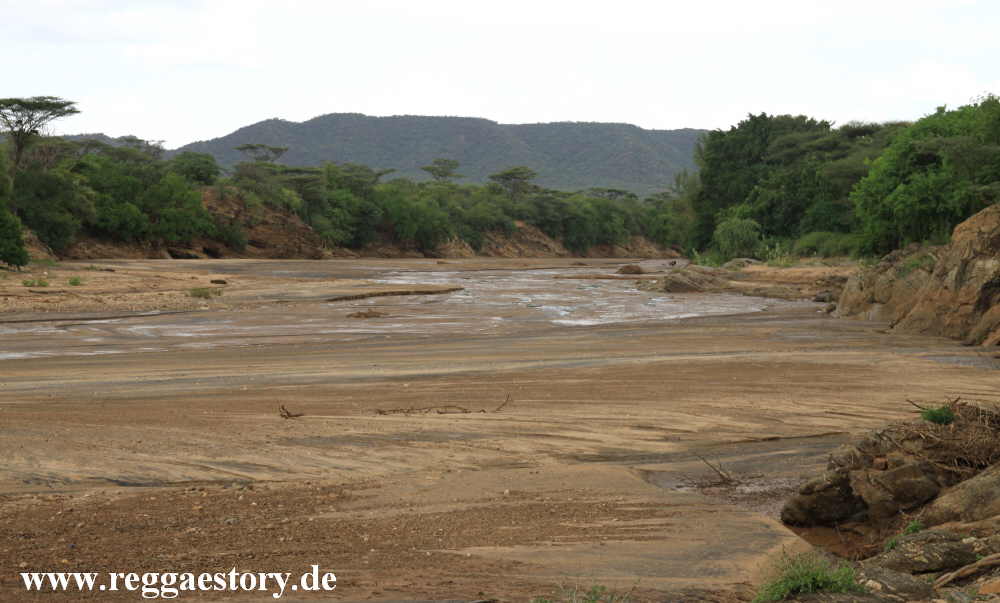 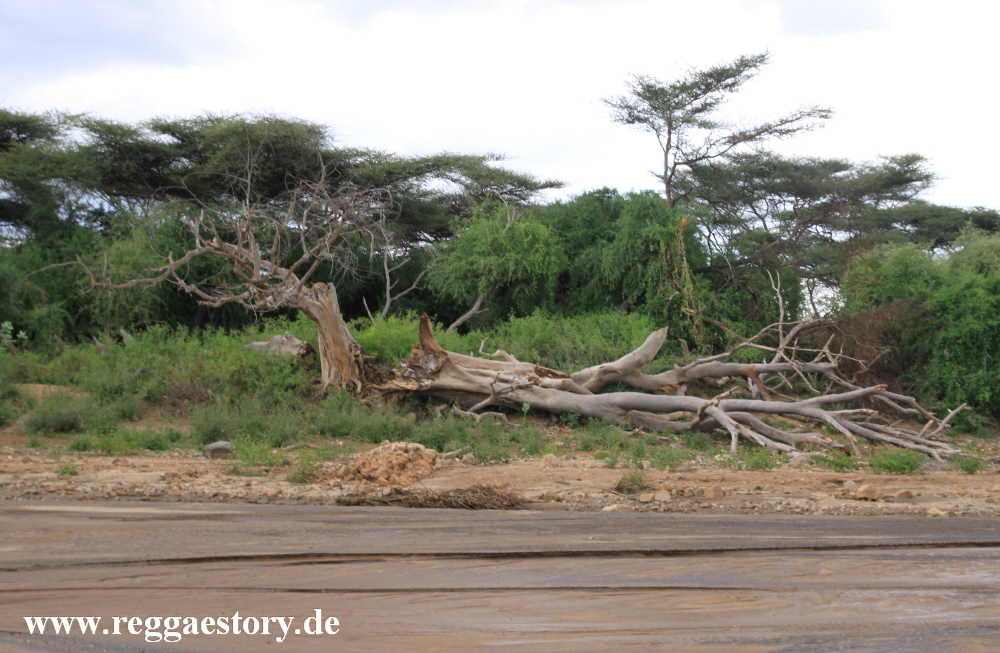 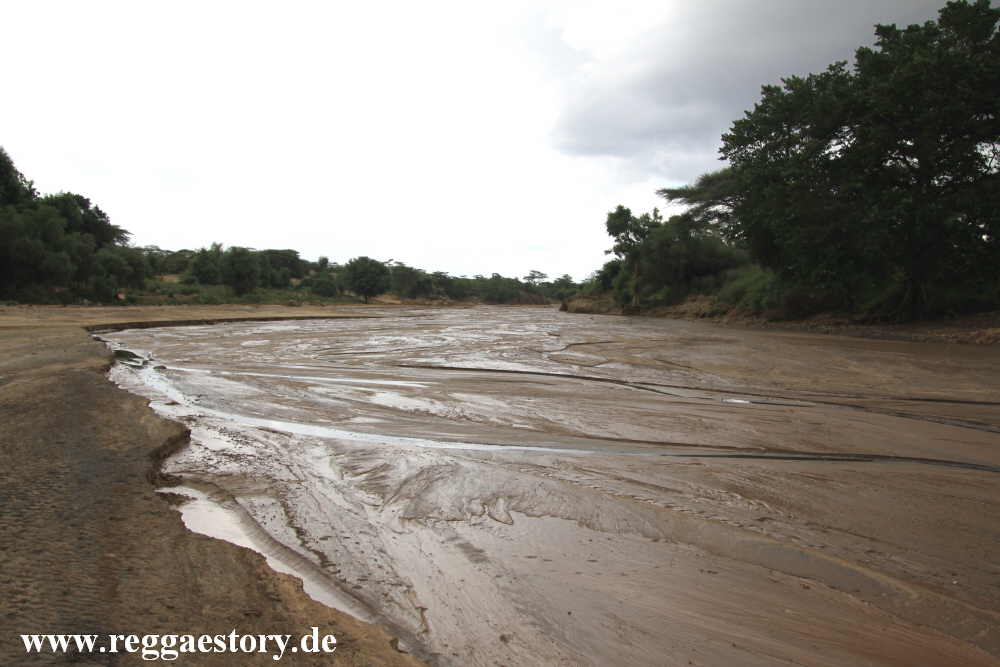 Image 861 - 864: The river next to the Buska Lodge near Turmi Image 861 - 863: Looking south Image 864: Looking north The river next to the lodge has no water at the moment. There are only a few rivulets left. Still, you can't just walk to the other side if you don't want to risk getting stuck in the mud somewhere. You have to go a few hundred meters further north to the next ford. 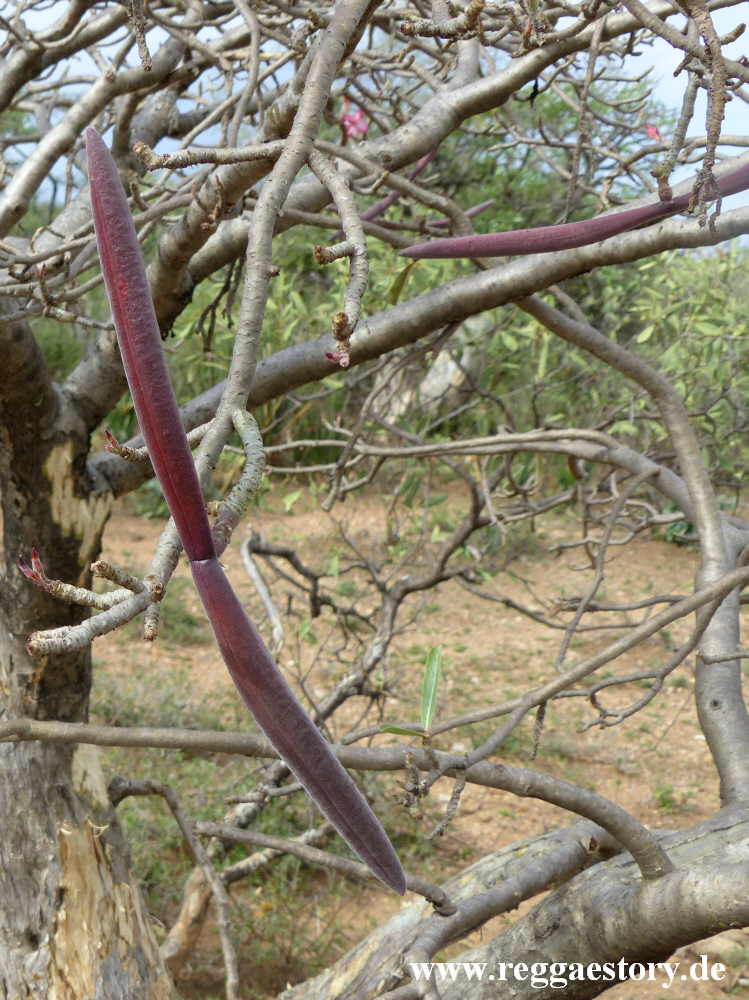
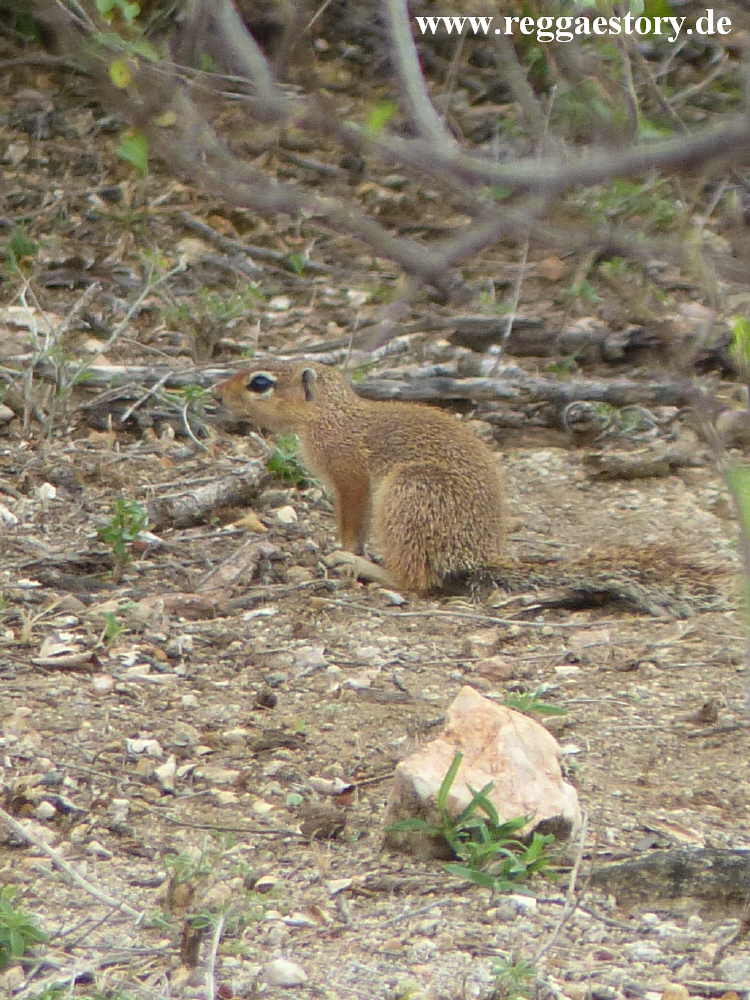 Image 865: Seed pods of the desert rose Image 866: Plain bristle squirrel (Xerus rutilus) / African bristle squirrel / Unstriped ground squirrel Again and again numerous small rodents scurry almost silently through the bushes that you can hardly notice them. It takes a little patience to be able to determine exactly what has just moved. They are plain-bristle cones or stripe-bristle cones, which are almost always a few steps faster than my grip on the camera. 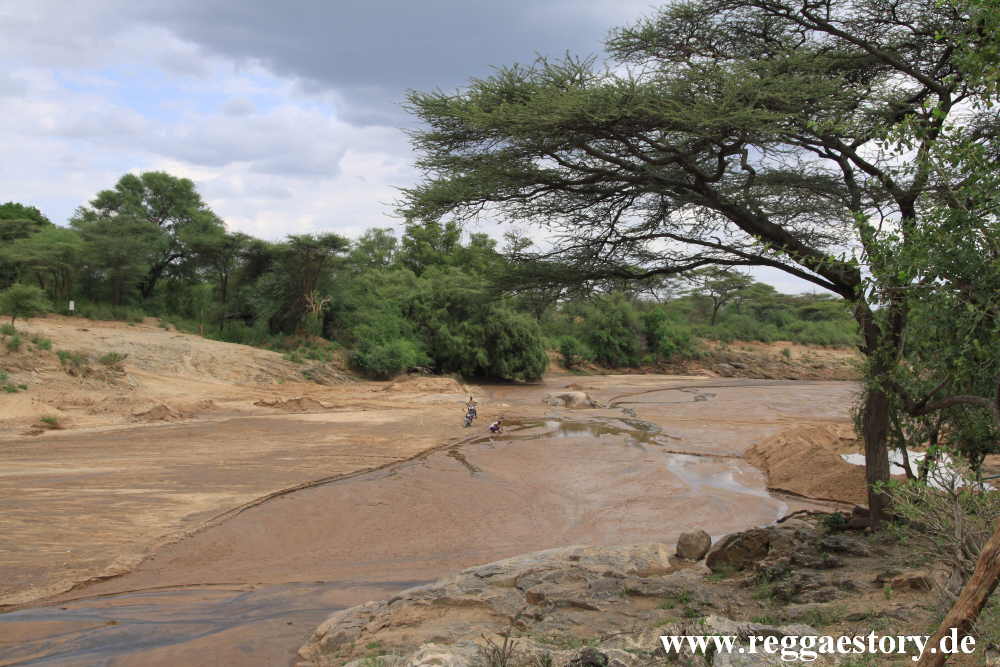 Image 867: At the ford north of the Buska Lodge - here facing south. 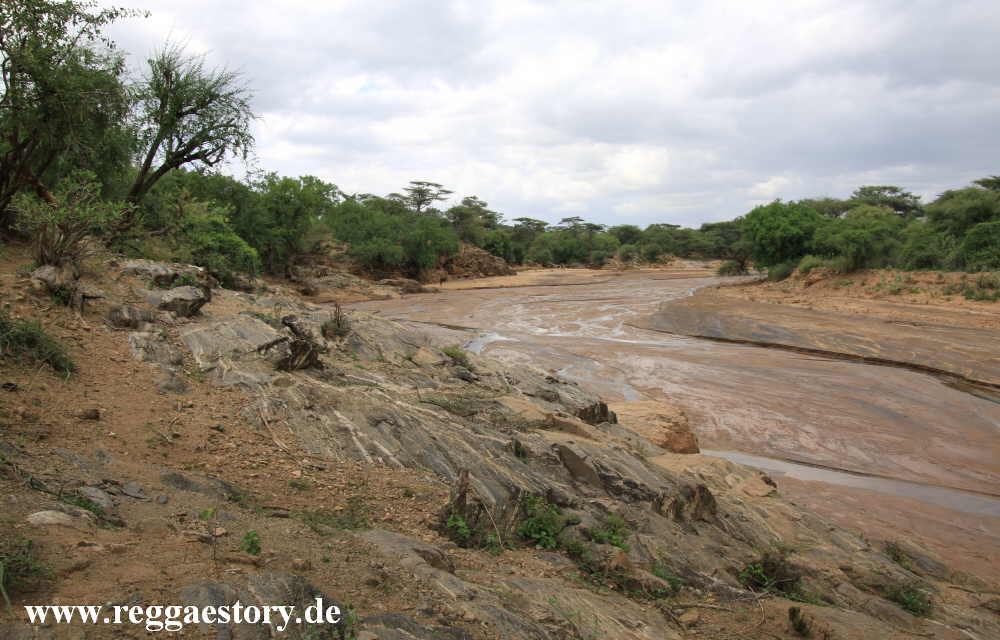 Image 868: Looking further north. It's quiet at the ford. A motorcyclist rarely comes by and uses the rest of the water to wash his vehicle before continuing on his way. The river bed opens up interesting views to the north with some sandbanks at the edge and bank stones that are criss-crossed with white quartz. While I'm still thinking about how to continue on my way, a complaint is actually being lodged from afar. Someone doesn't want to be in the picture. Incredible, because only now do I realize that someone is standing there in the landscape. Of course, we do not accept complaints from a distance of several hundred meters. ;-) From here I better change the hiking route to the west (to the left for the disoriented ;-)) and stay a bit north of the wide sandy road so as not to stray too far from the lodge. 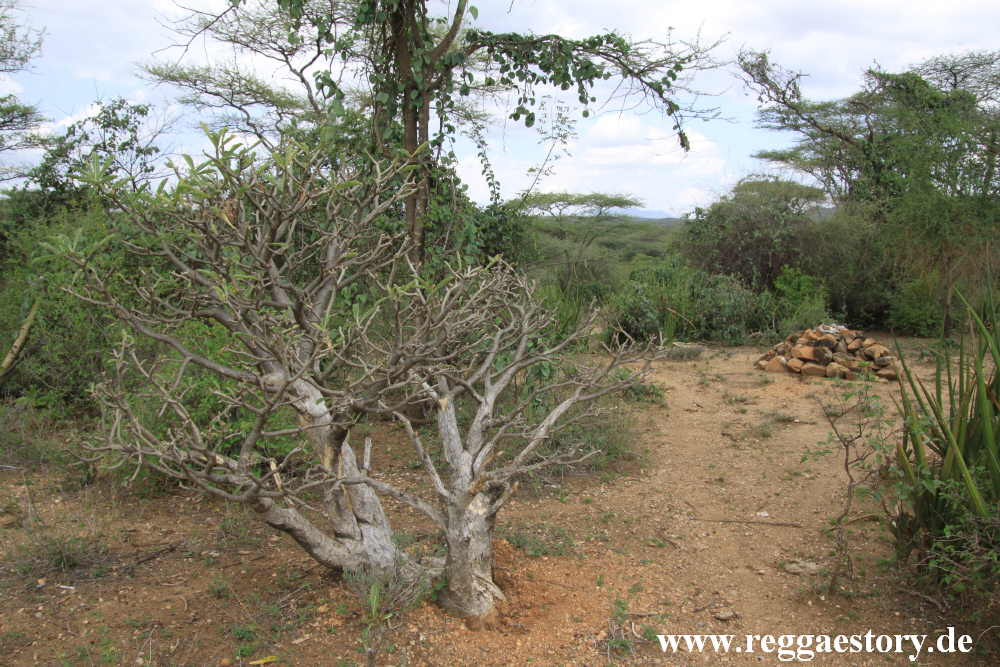 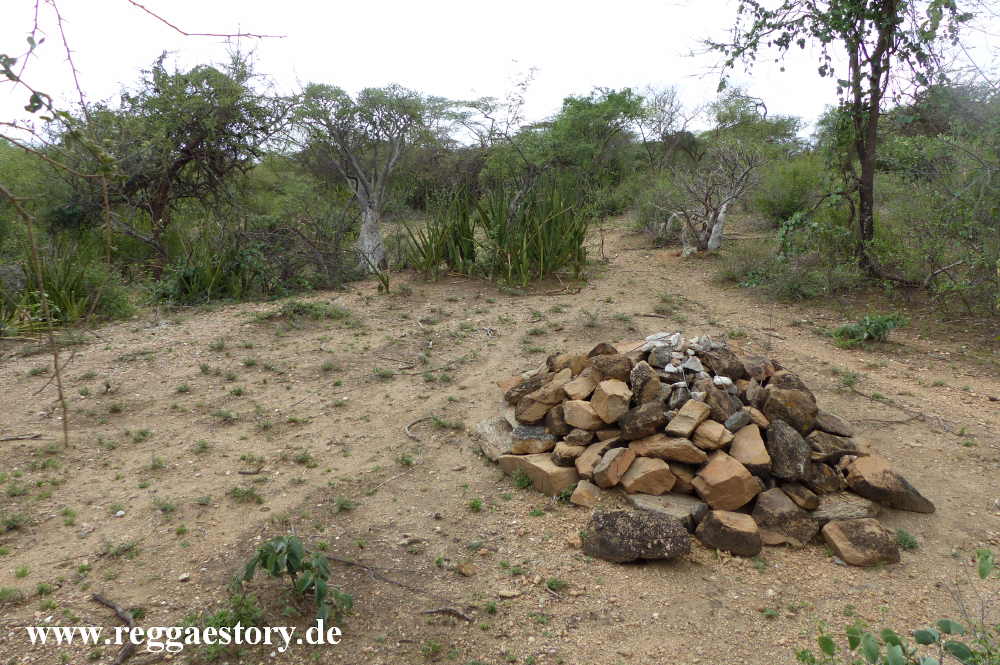 Image 869 + 870: Grave sites in the bush - the somewhat rarer stones are placed right at the top. In this case, fragments of the white quartz vein stones that cannot be found everywhere. 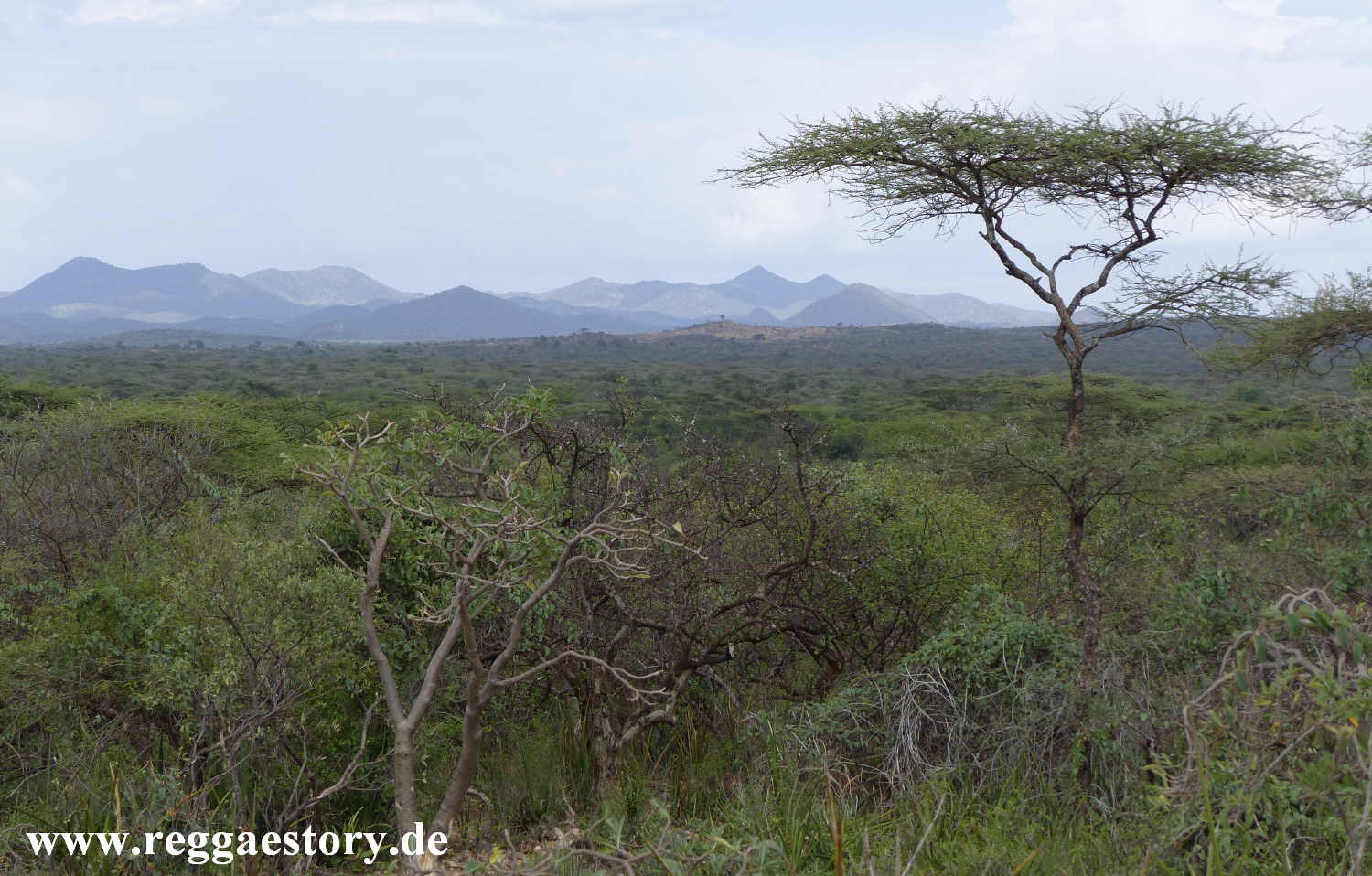 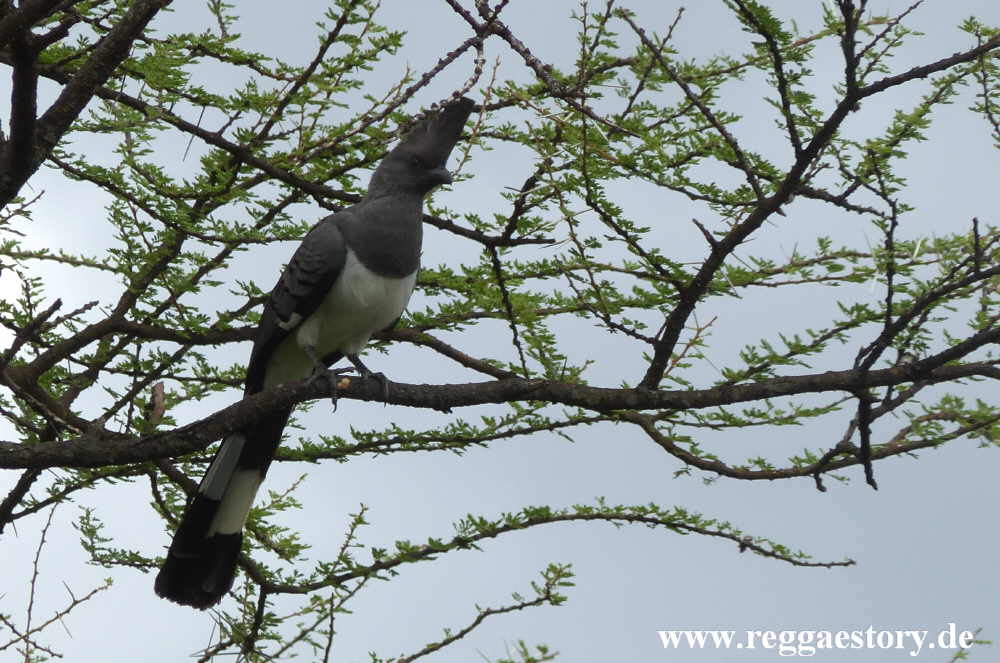 Image 872: White bellied go away bird 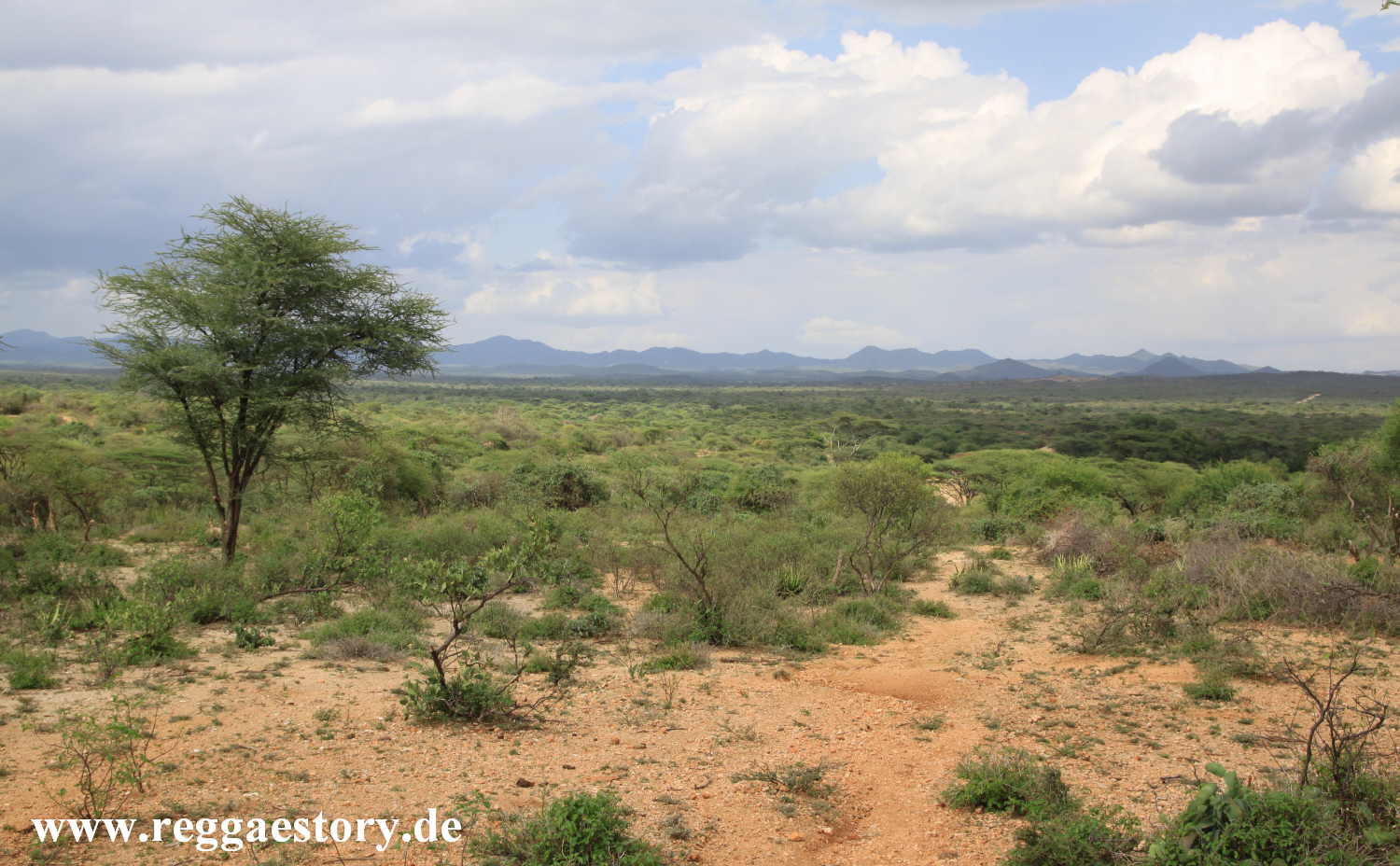 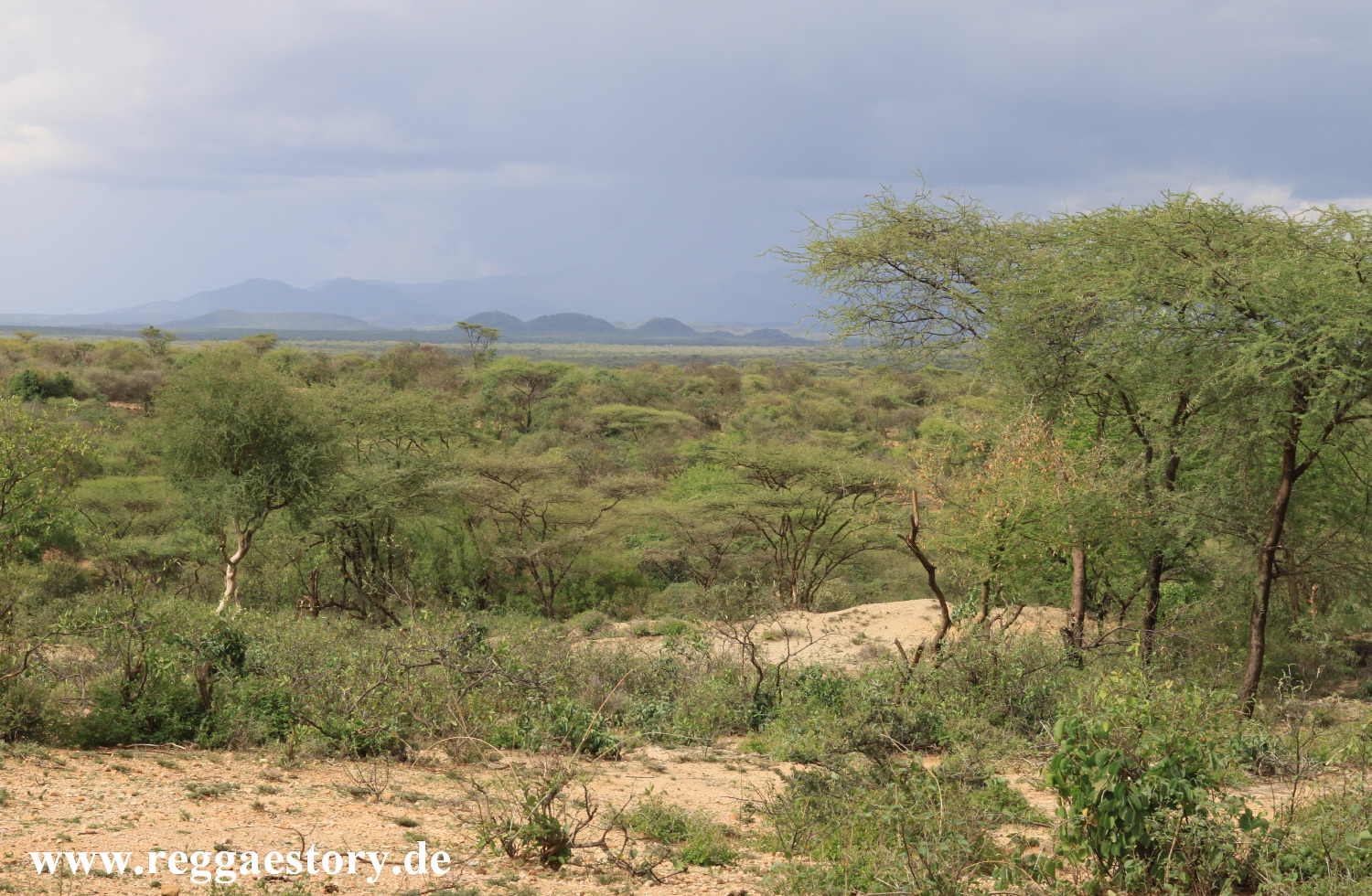 Image 871 - 874: View north to east For some time I have been accompanied by a couple of "white-bellied diners" who are extremely upset that I am going for a walk in their territory. Again and again they put their spring hoods on and call after me loudly. It doesn't matter which way I go. The choice of direction is unfortunately not always that easy or unrestricted. The locals have repeatedly piled up boundaries made of thorn bushes in the bush, which are now streaked with other plants and thus represent impenetrable obstacles. So sometimes you have to walk several hundred meters in a direction that you actually don't intend to go. 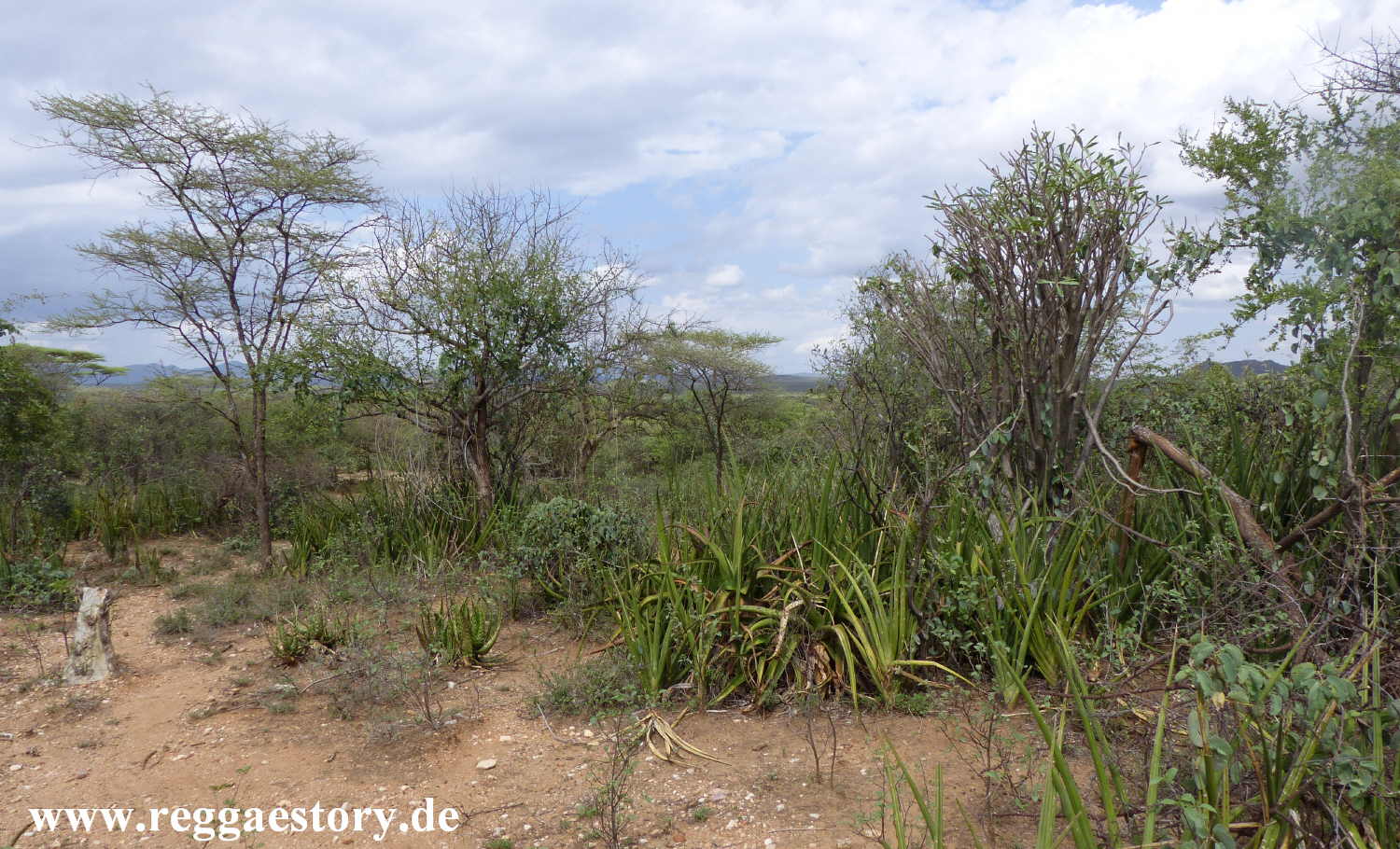 An almost invisible border. 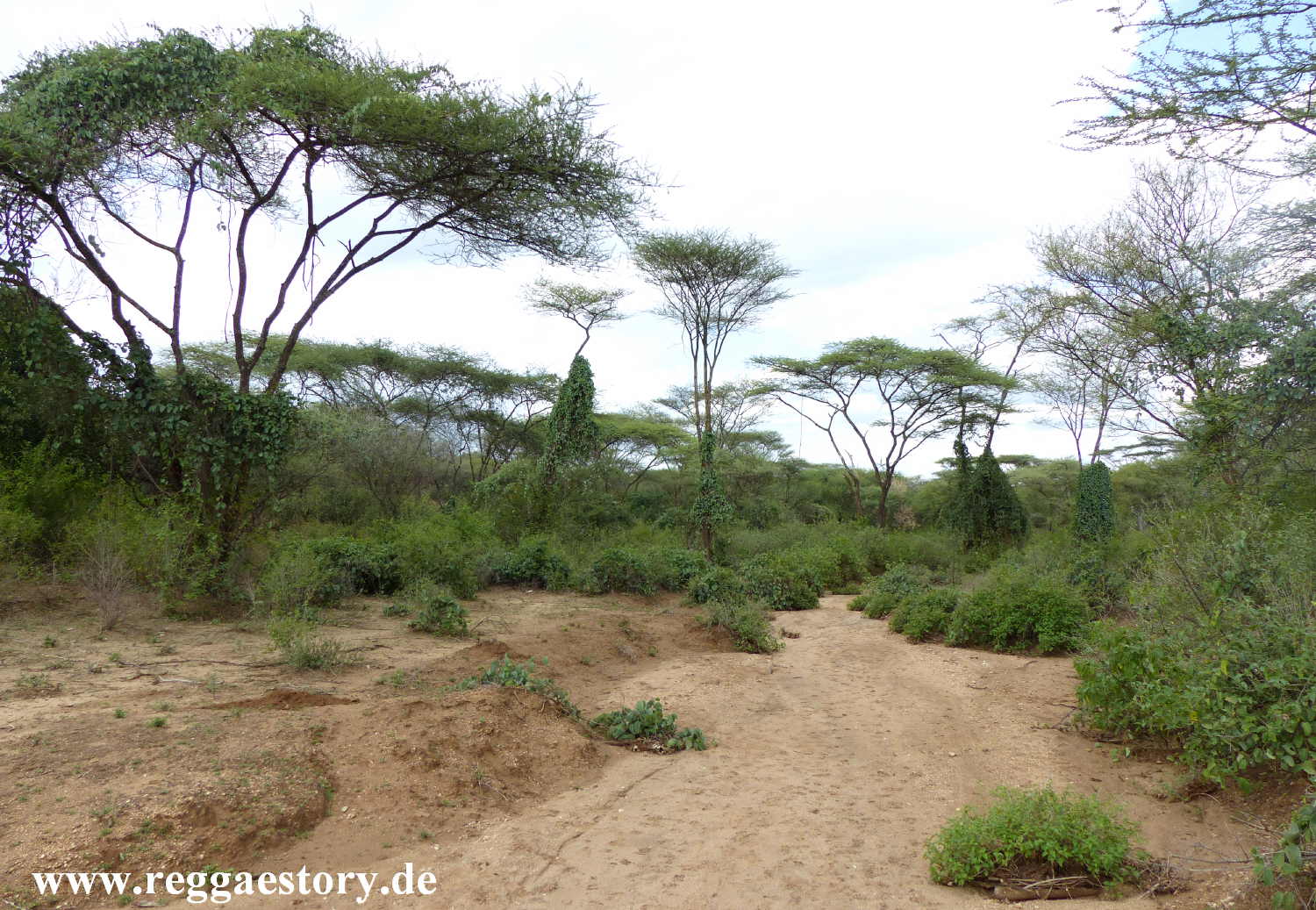 A dry stream in the bush can be a good way to go. 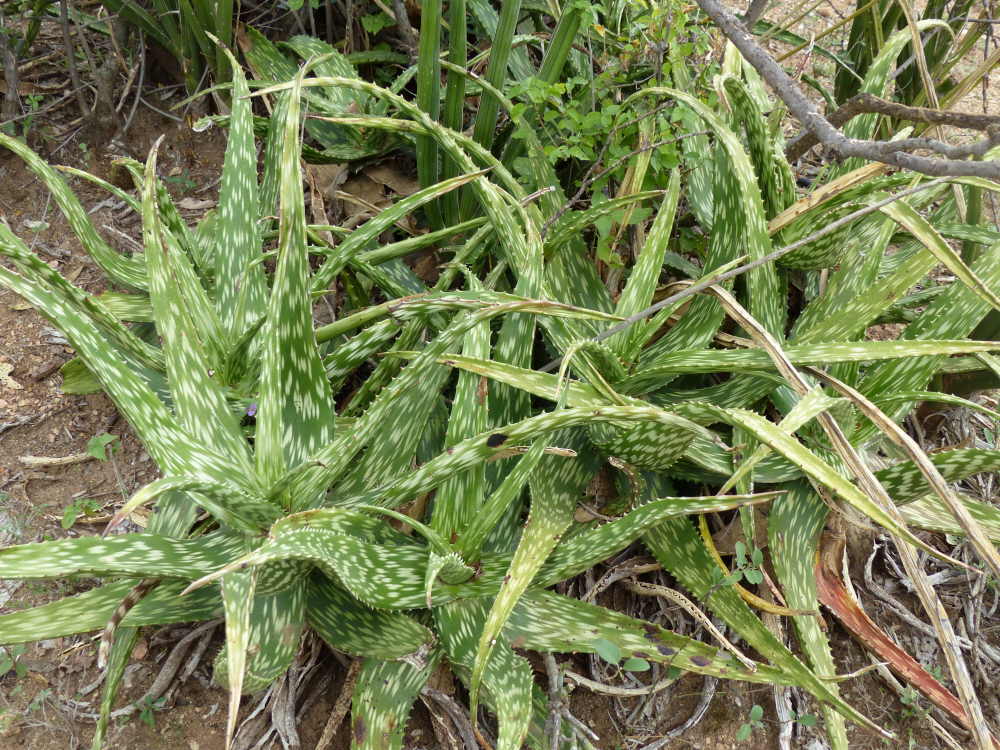 There are many aloes here. 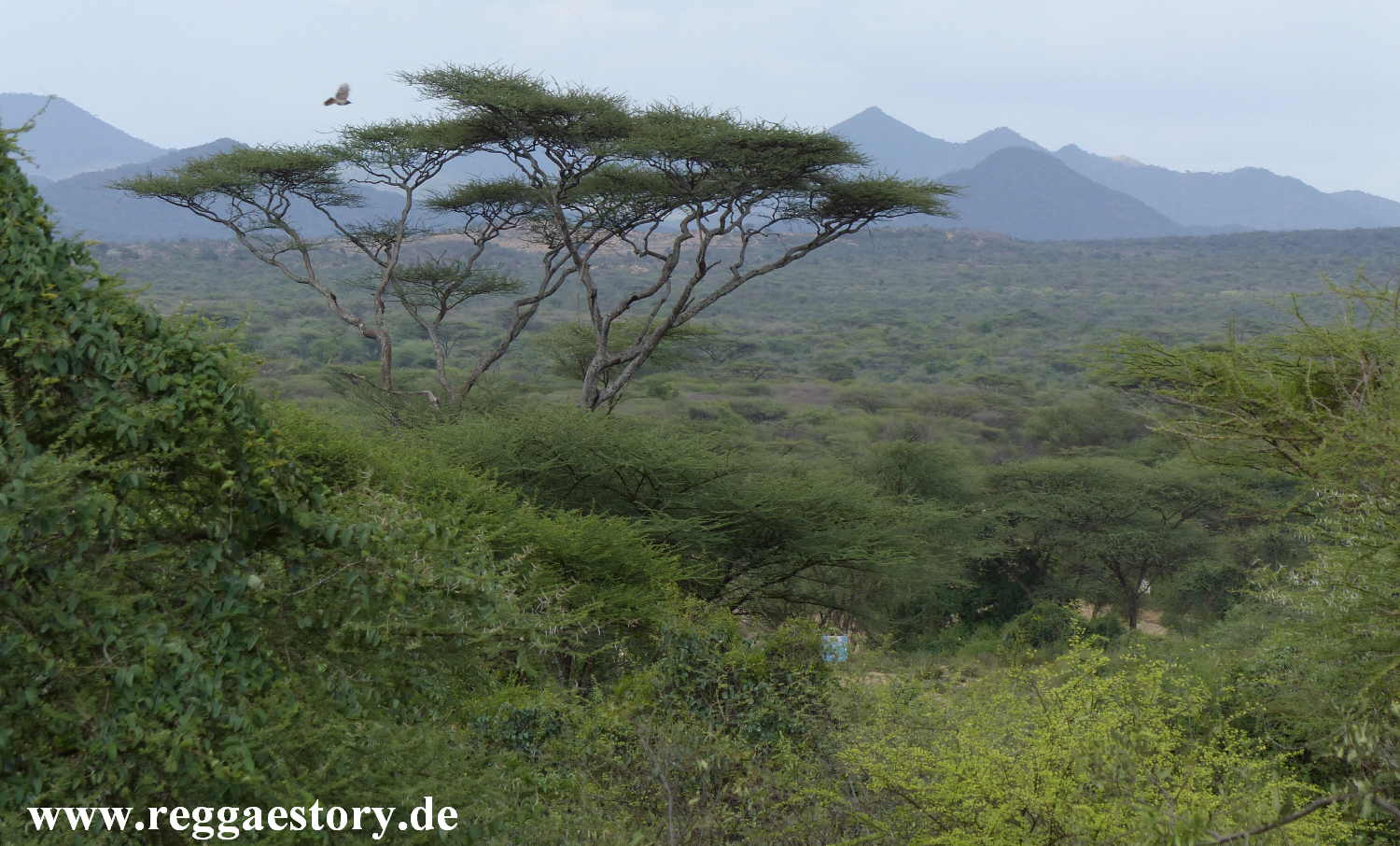 Again and again great views and the noisy birds still follow. 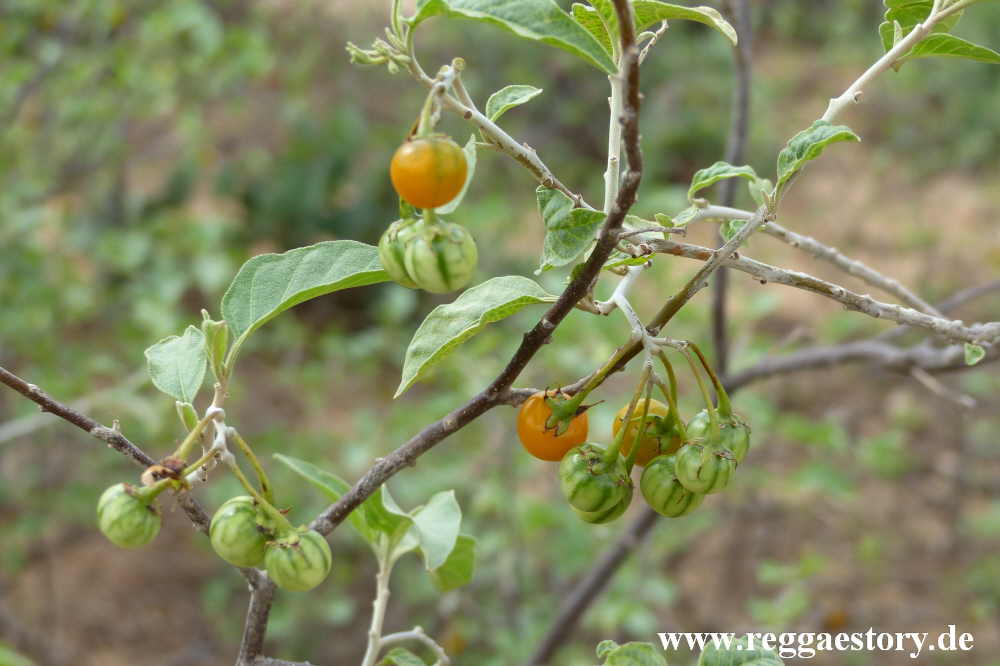 These fruits look almost like tomatoes. 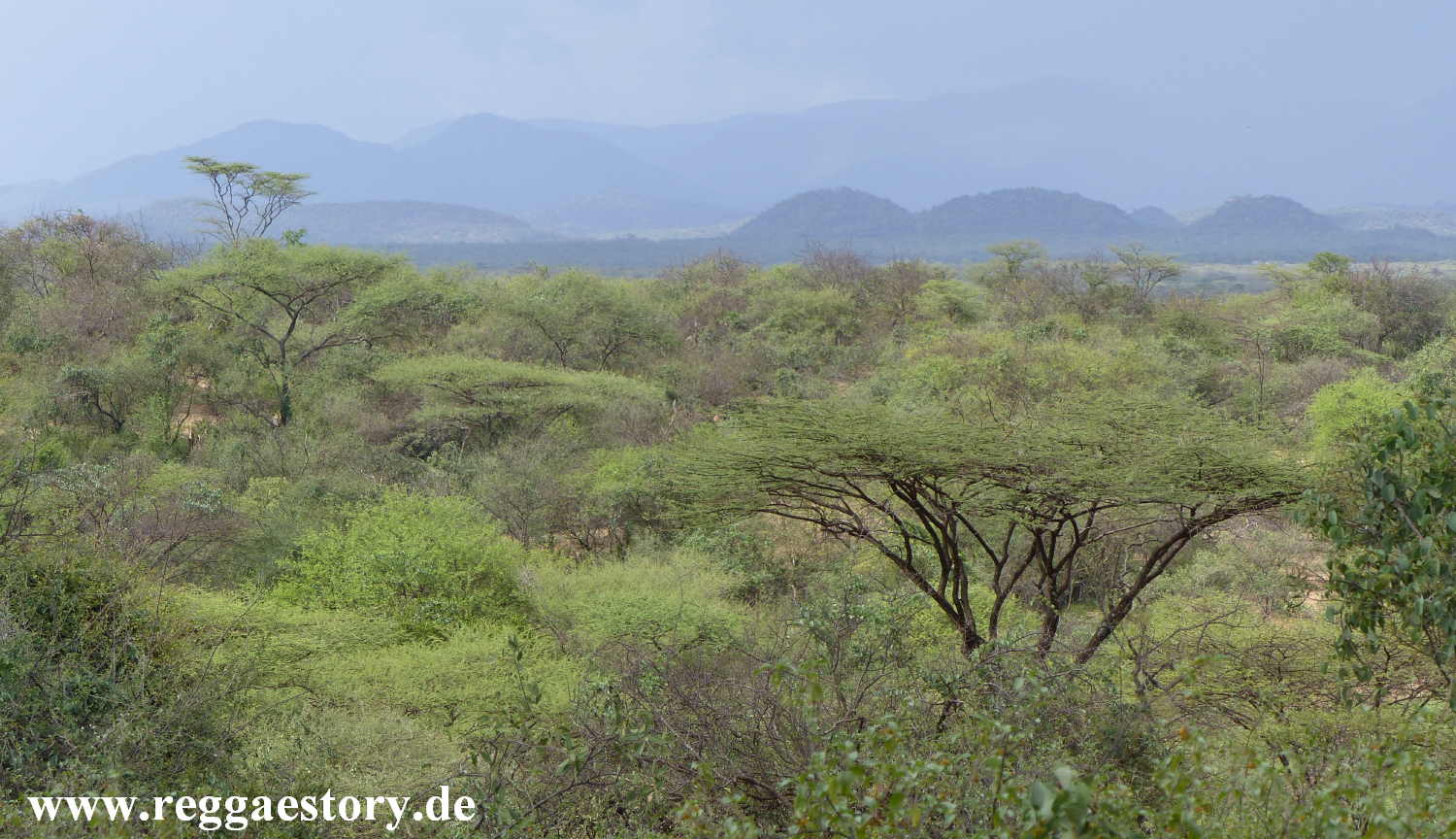 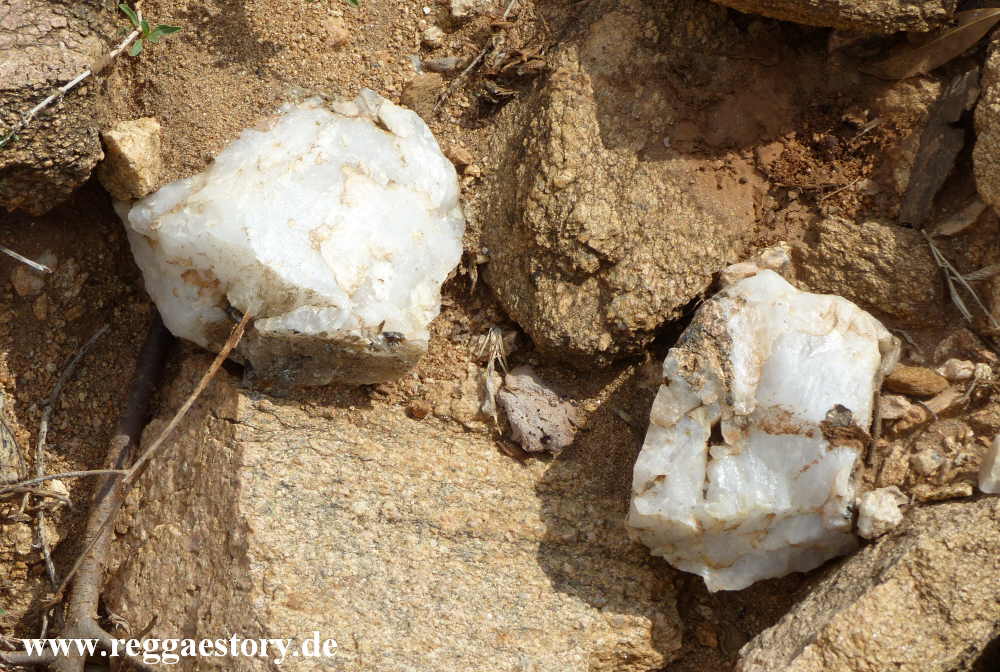 Image 875 - 881: Further impressions north of the great sand road Image 881: In the area of the relatively few white quartz veins in this area, small black magnetic stones can be found even more rarely. Unfortunately, it was not possible to find out exactly which mineral is behind it. You should slowly move back towards the lodge if you want to keep to the daily routine. So now it's back south towards the great sand road. In the meantime I'm out of the valley and should about catch the branch to the lodge. When I reach the sand road, I actually come across almost the right place. Anyone who gets lost now can really no longer be helped. ;-) 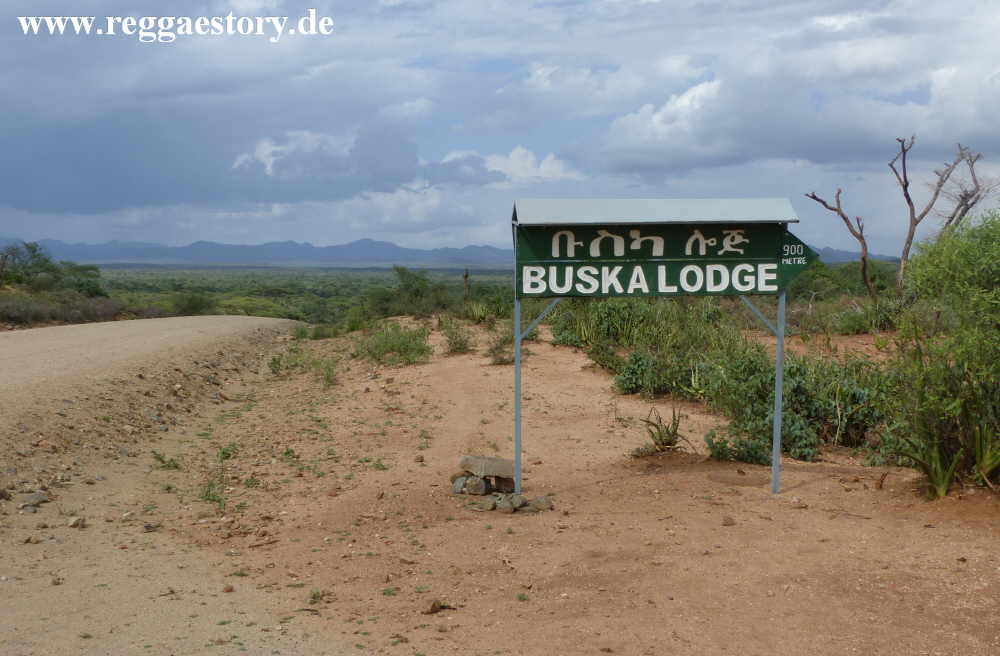 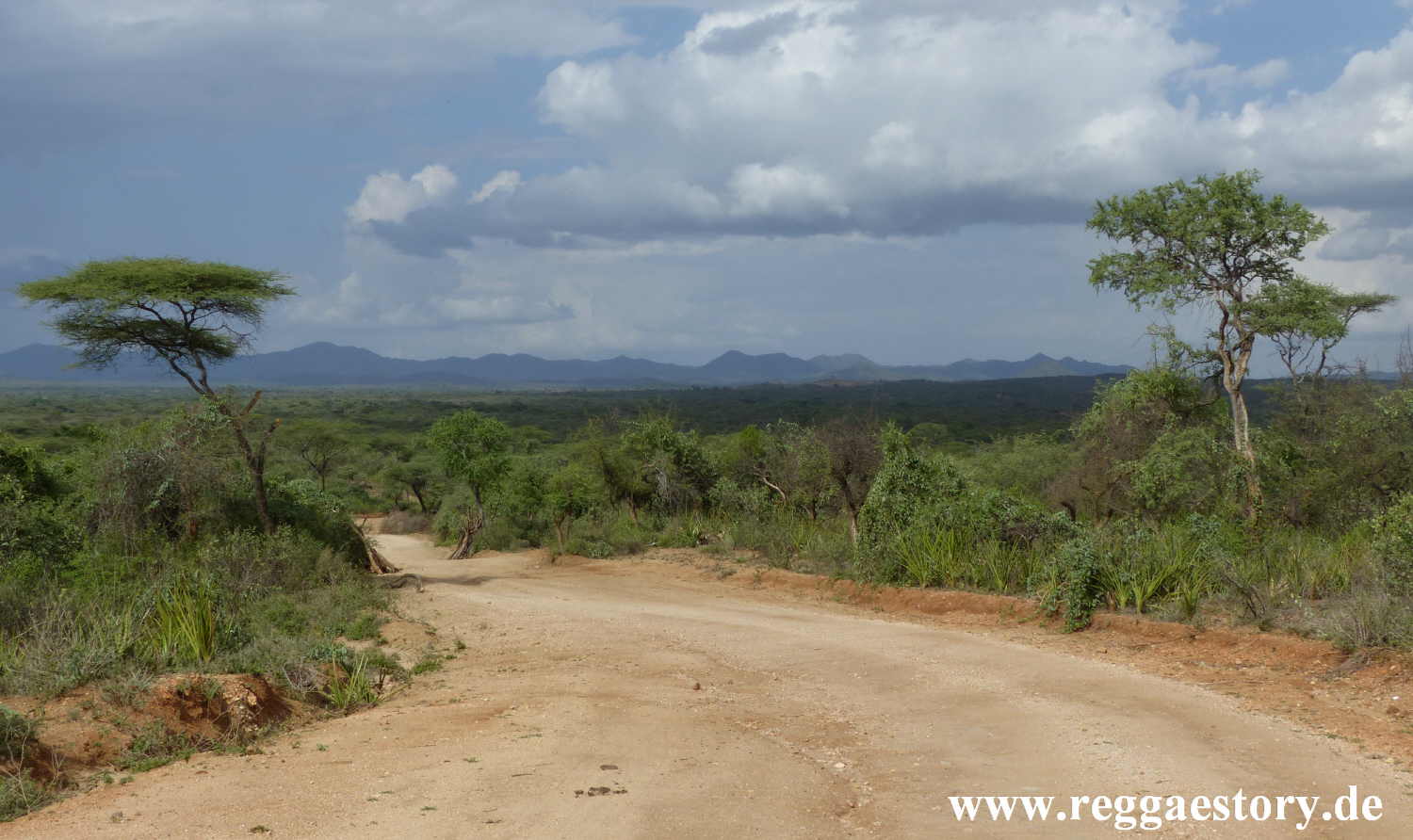 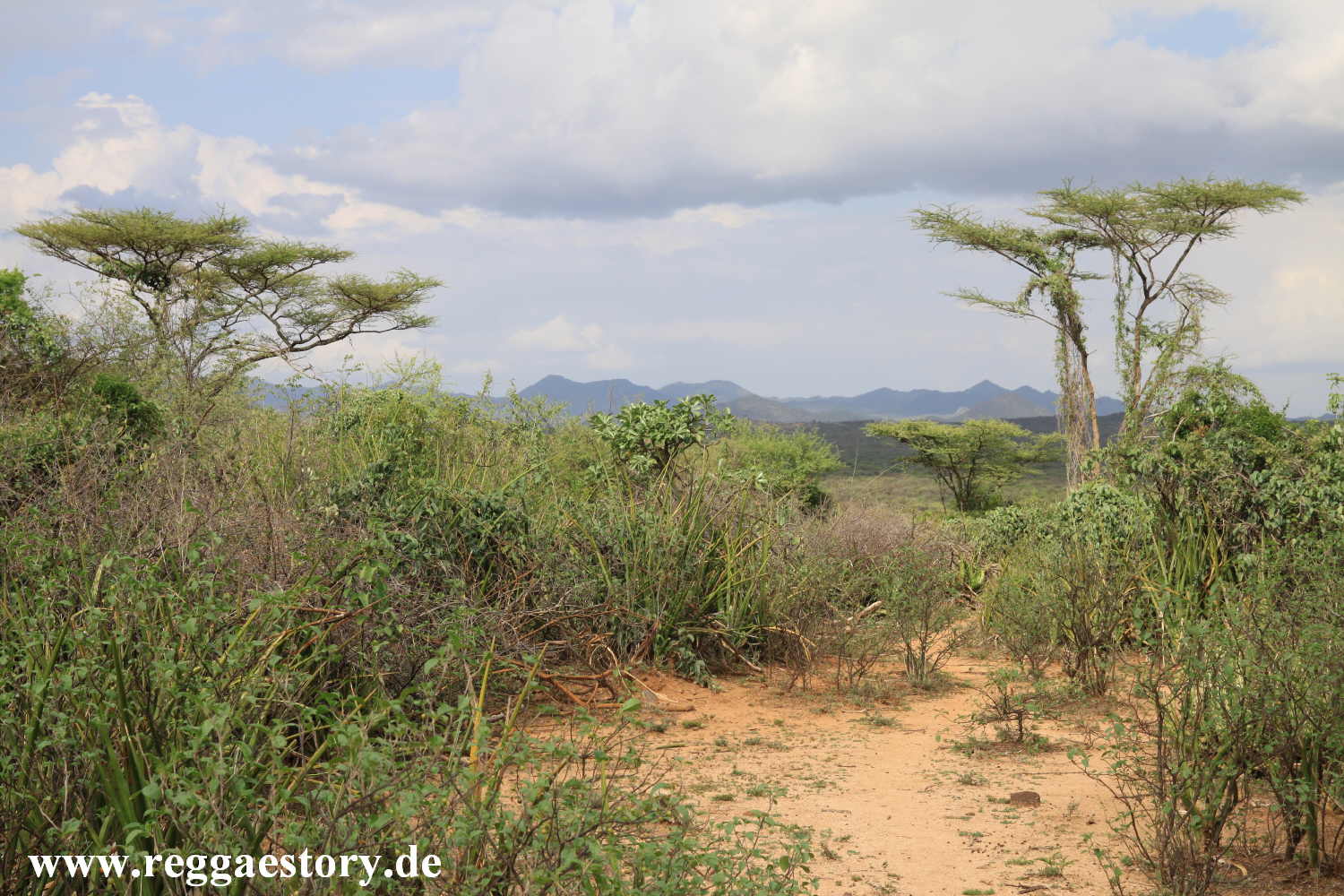 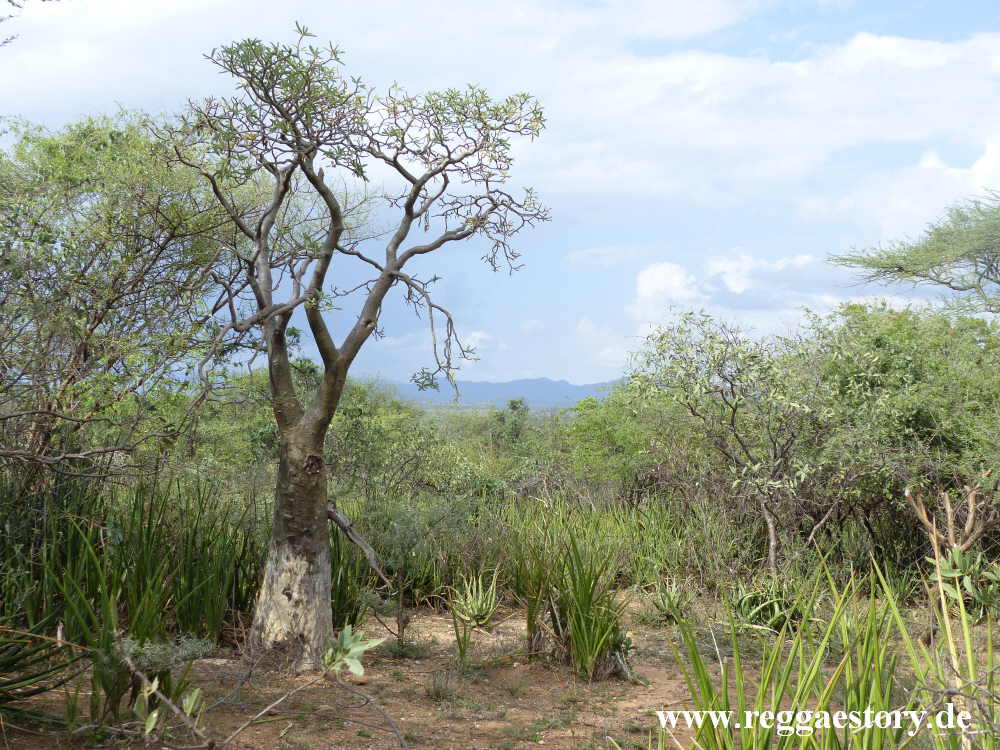 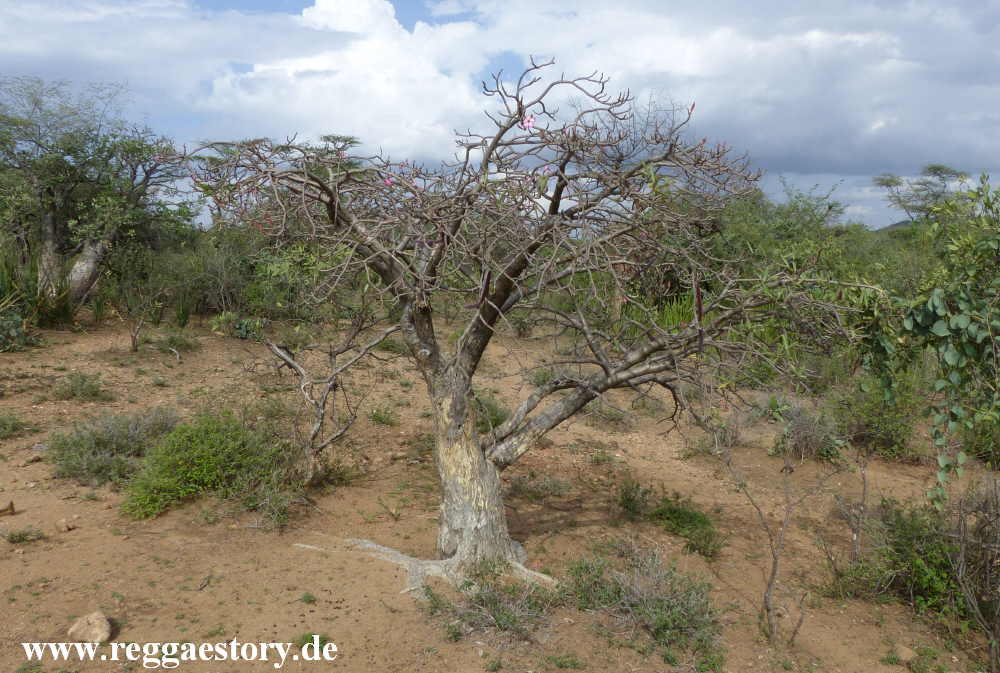 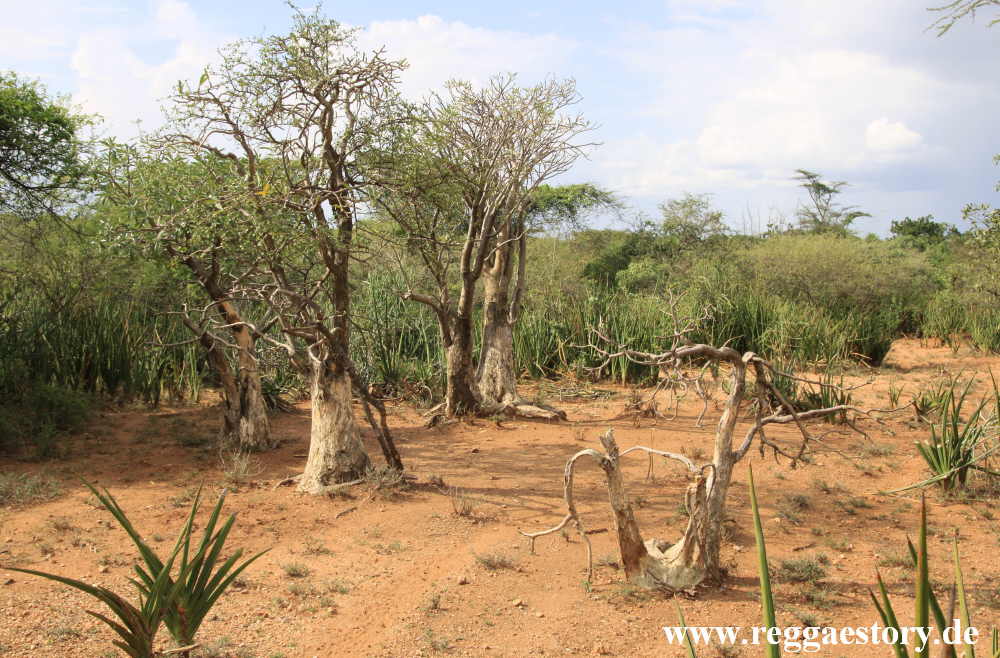 Image 882 - 887: After the junction, continue to the southeast to the Buska Lodge. Image 885 - 887: A few more desert roses Of course, there is no stopping on the way, because there is less to discover. After two hours the hike is finally over and the lodge is reached again. Tomorrow there will be some free time in the program again, then I will explore the other direction from the lodge. There is always something to see or to discover, as we have just discovered. Around 5:30 p.m. Alex and Mastu want to pick us up for the next excursion. So there is still enough time to prepare for it. Unfortunately the light gets worse and worse at this time of day, but unfortunately our guide did not want to go on tour earlier. We drive back towards Turmi and visit a settlement of the Hamer on the other side of the village, not far from the sand road. But since a group of visitors has already been invited there, we go a little further. After all, there are countless opportunities to visit a Hamer village here. 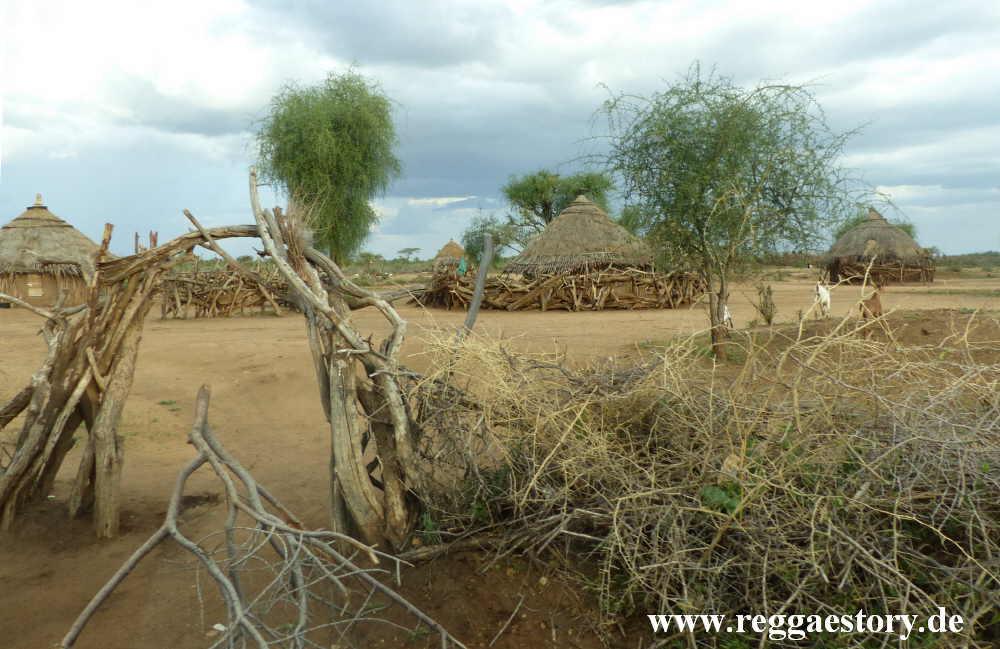 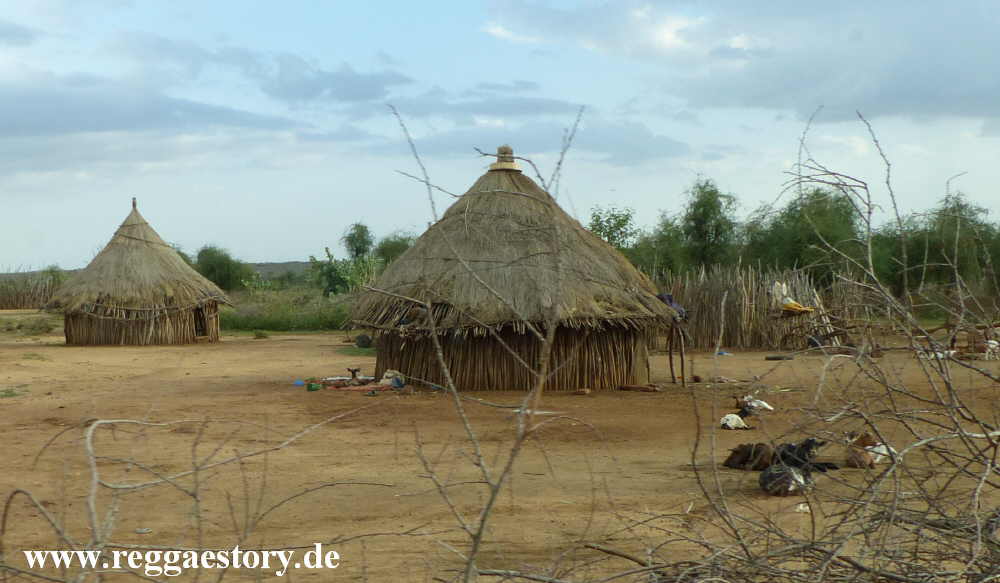 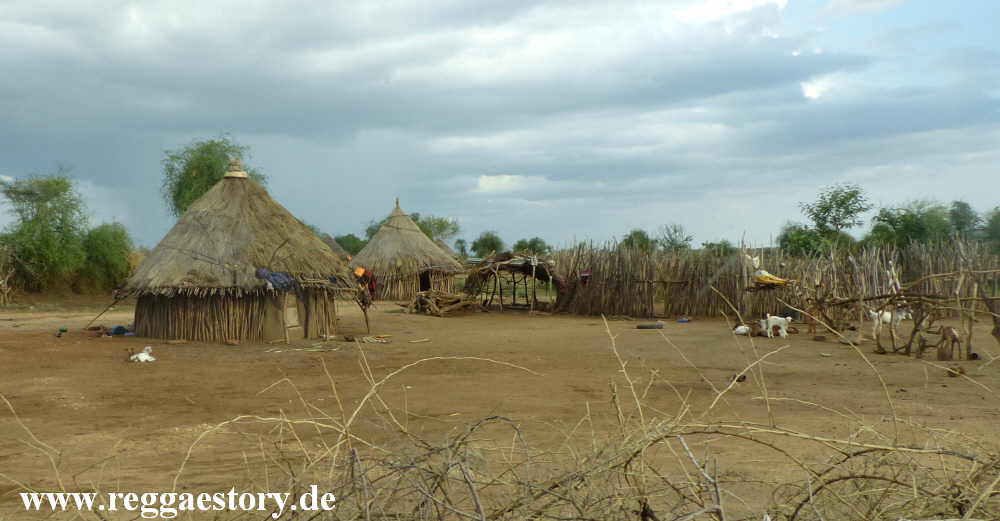 Image 888 - 890: Hamer village near Turmi Less than five minutes later we're in a different place. Mastu calls the village Geria. Unfortunately there are only a few people to be found. In addition to the big weekly market in Dimeka in the morning, there are probably some small ones in the vicinity who are supposed to be responsible for the emptiness in the village. Currently, the position is only held by children and young people, a few older people and of course the animals. 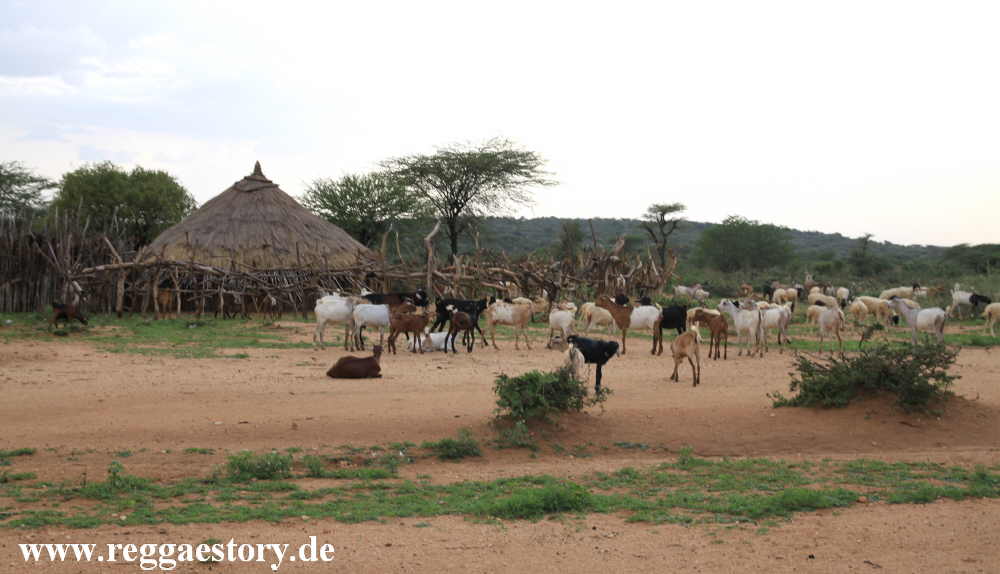 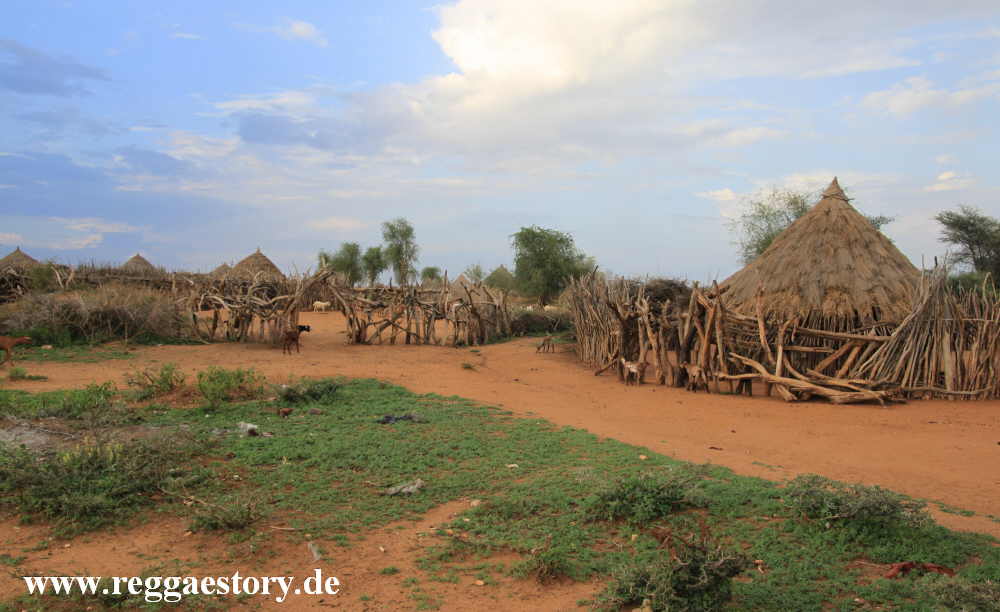 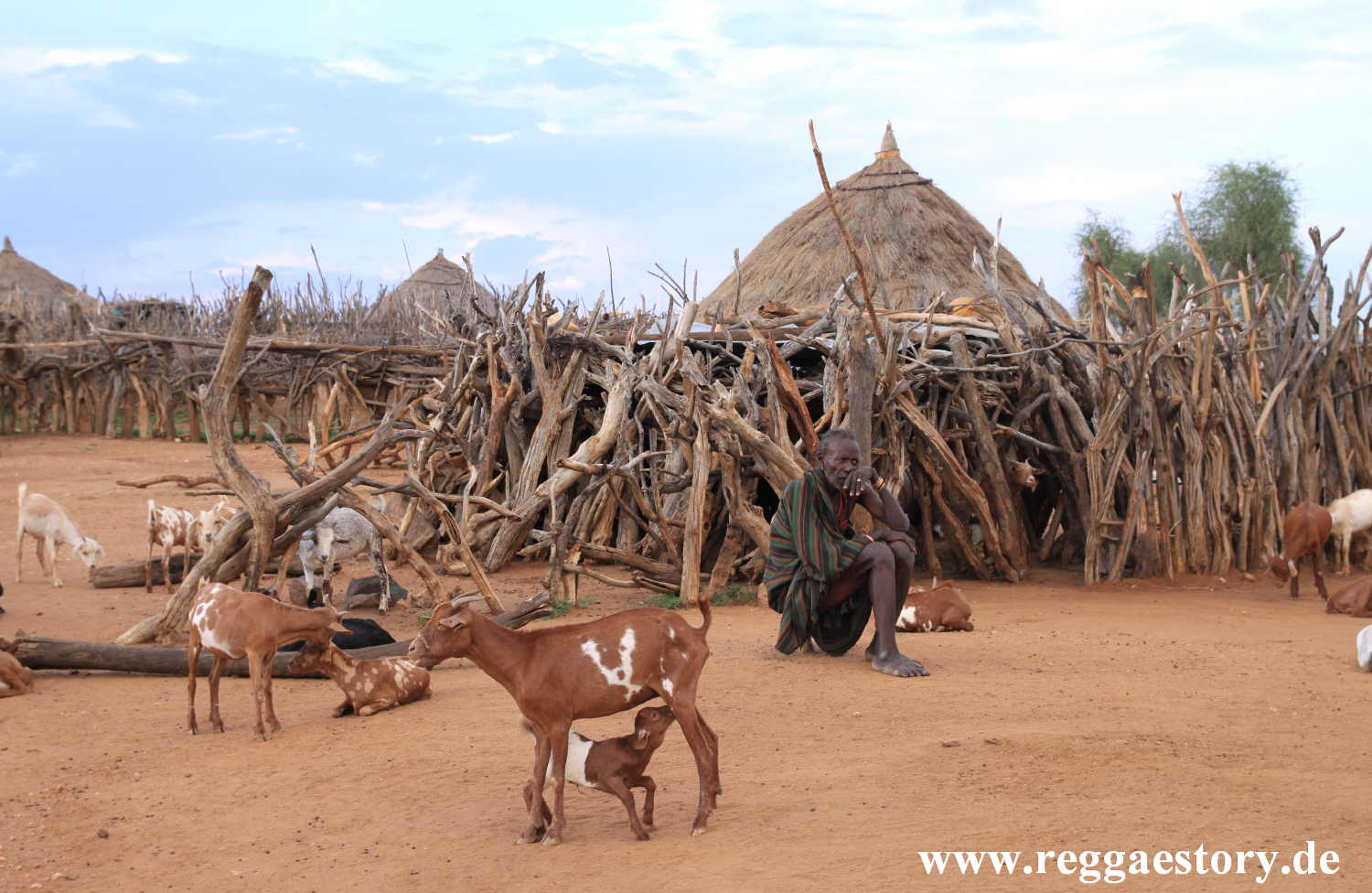 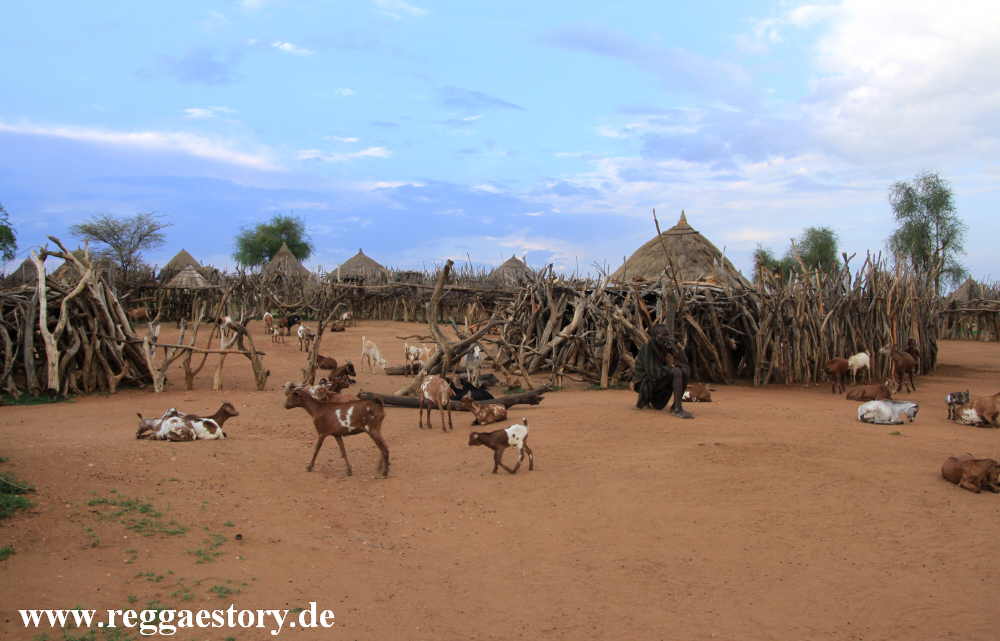 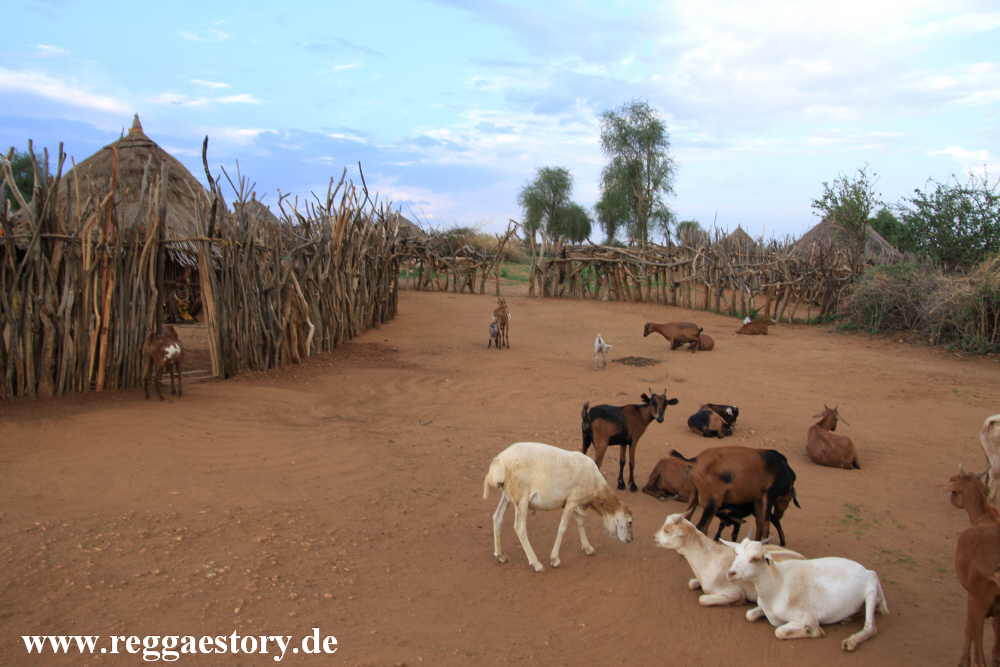 Image 891 - 895: Hamer village Geria near Turmi Let's take a lap through the large village, which consists of numerous groups of round huts specially fenced in with branches and tree trunks. A large group of children and young people are following us and are hoping for a tip or two for a photo. Of course we can't take photos of all people. We should vote, it says. It makes you feel a little strange when all eyes look at you expectantly. The adult women of course stay out of this and prefer to be spoken to and asked. 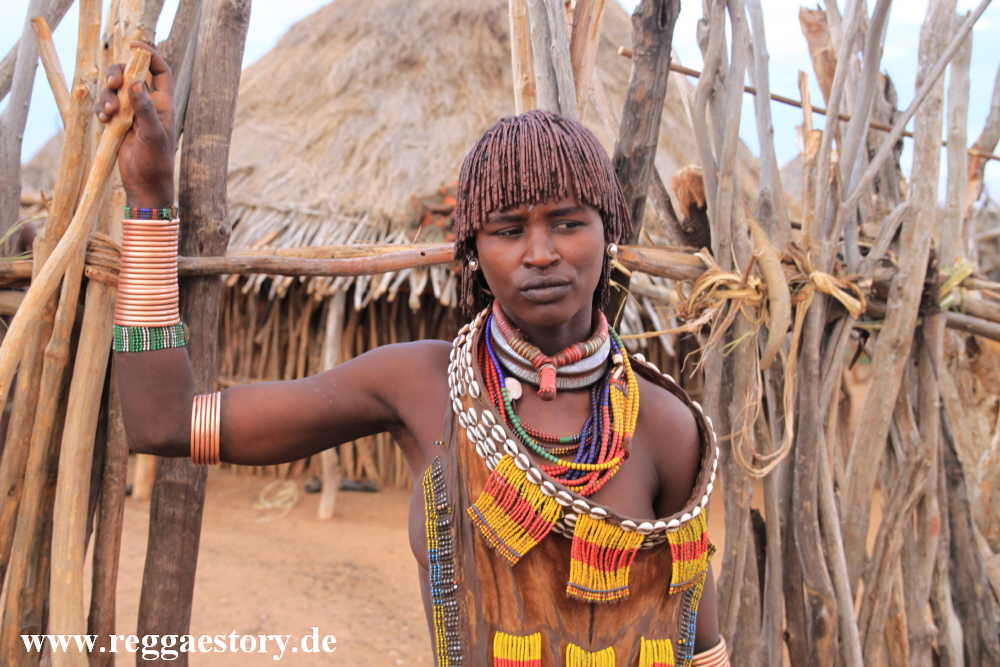 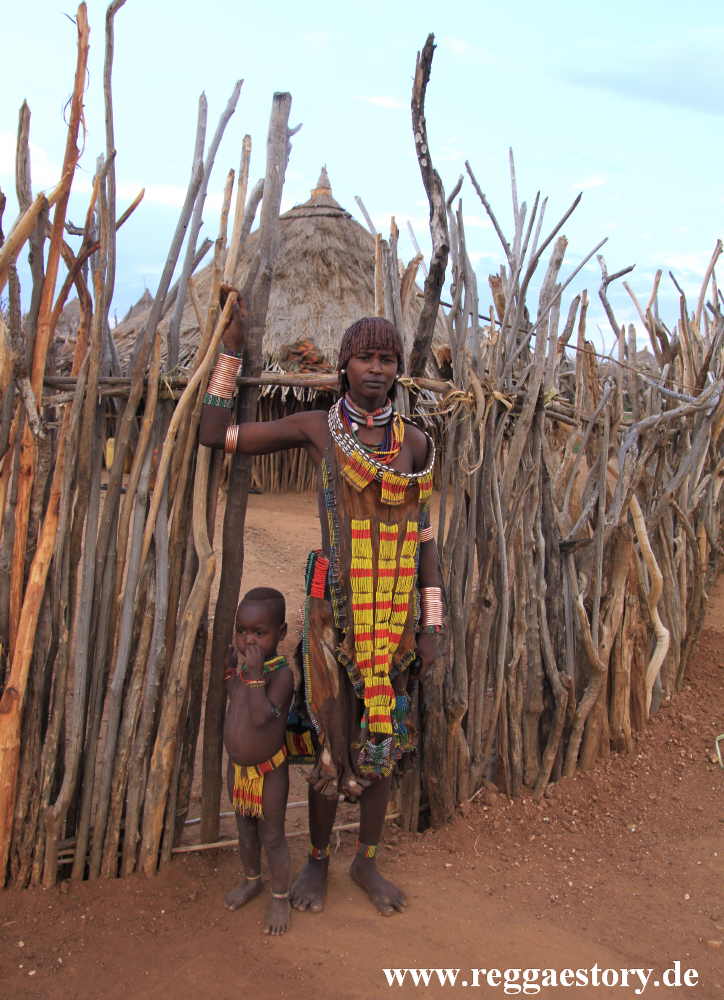
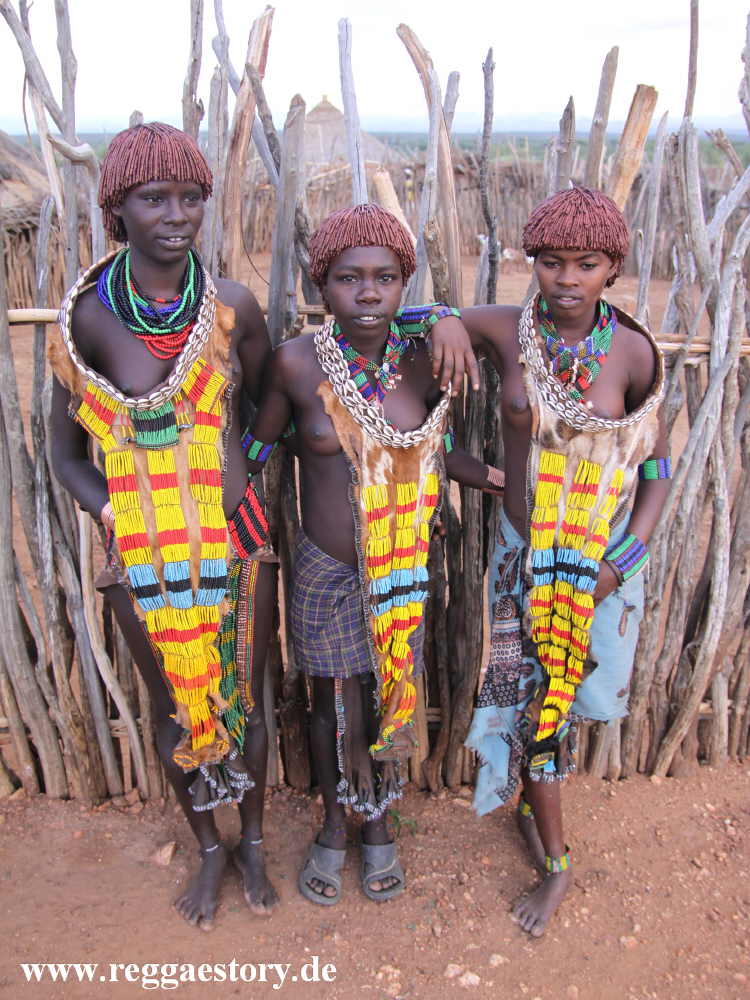 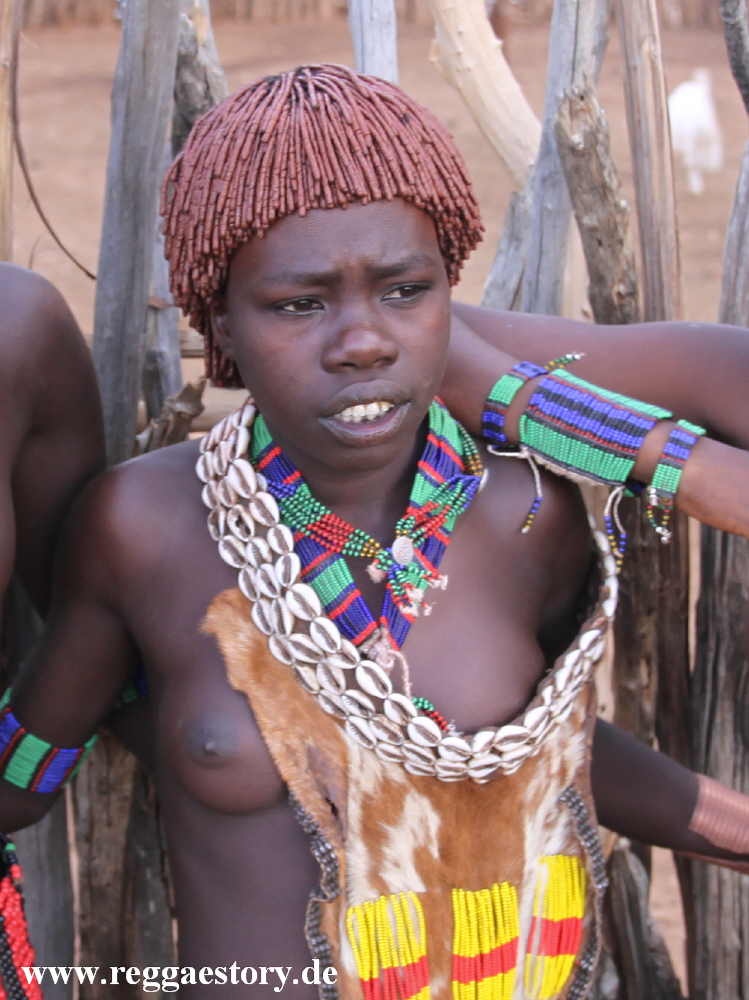
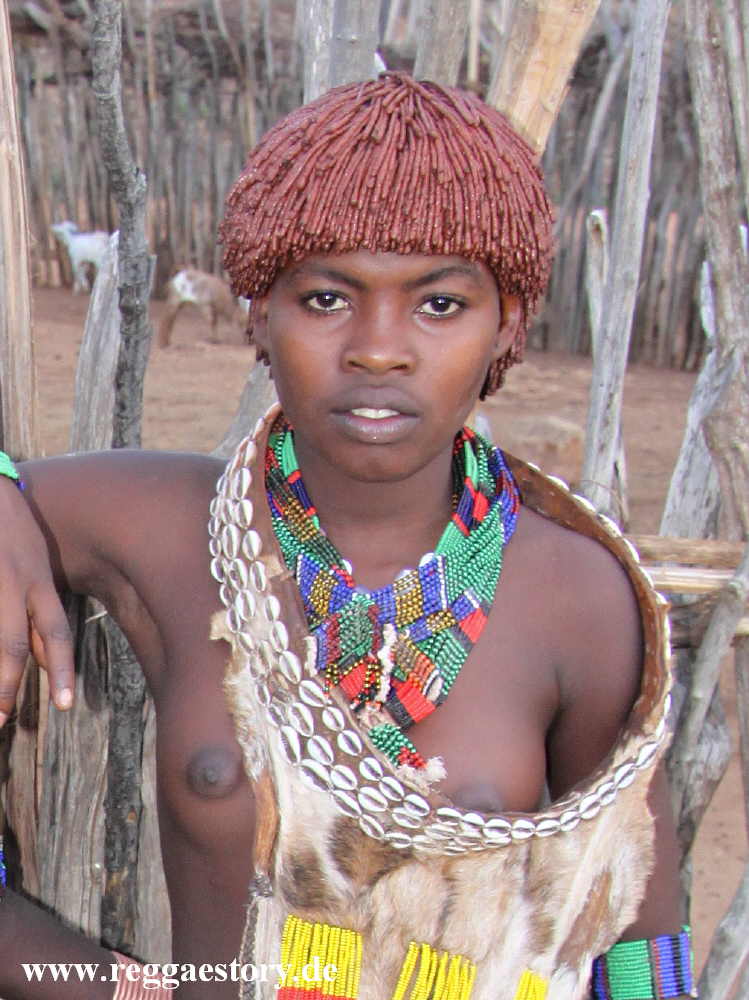 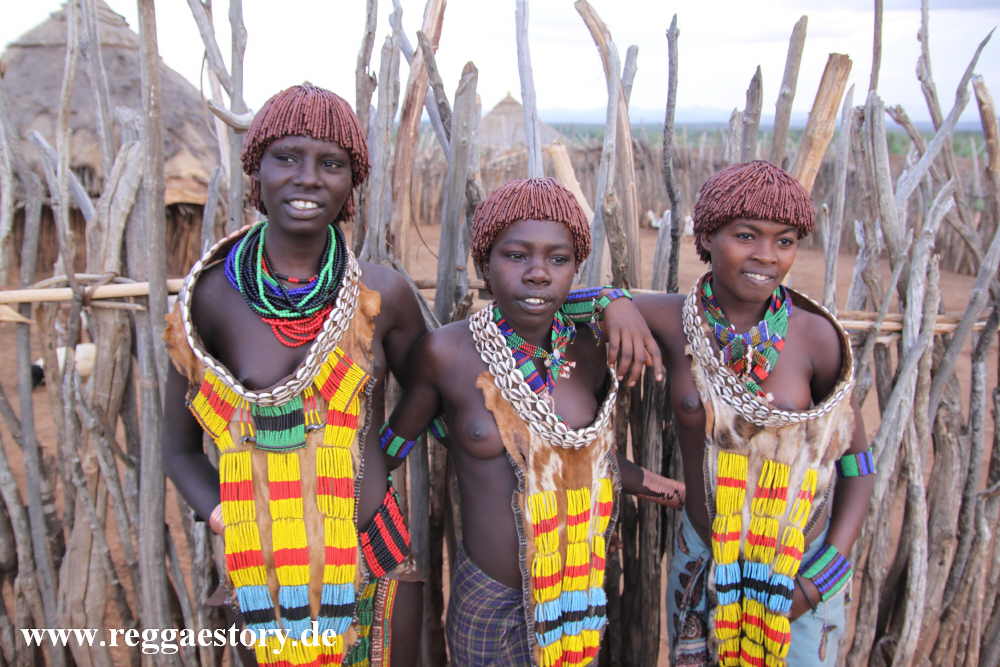 Image 896 - 901: Hamer woman and girl After the photo session, the crowd of the next generation of the village leaves us, laughing and gesticulating, evaluating what they have just experienced. We would like to know what the exact topics are. Unfortunately none of us can understand their language "Hamer-Banna" exactly. 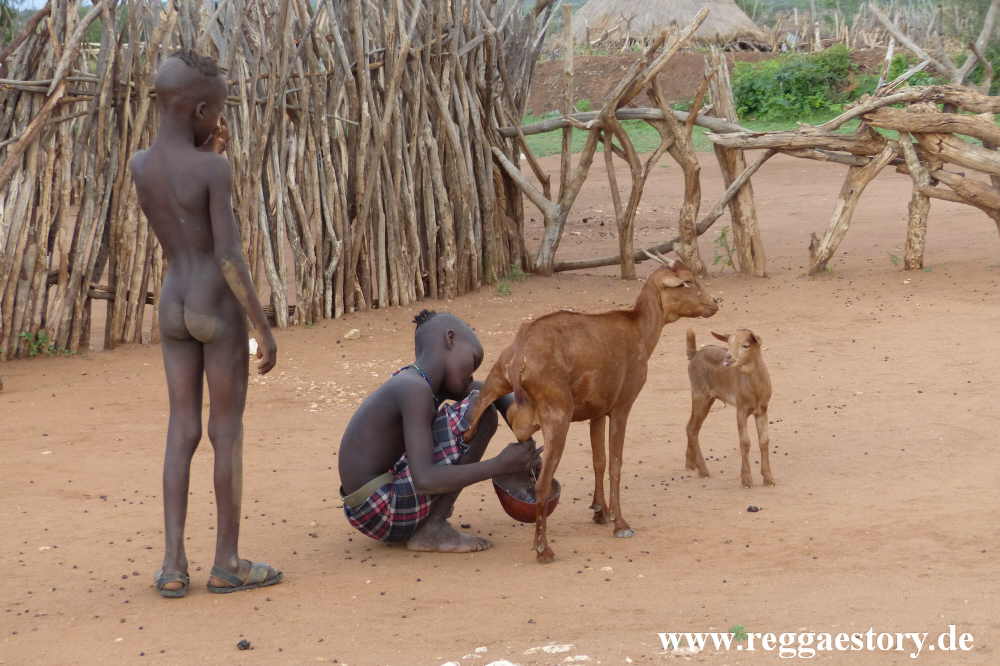 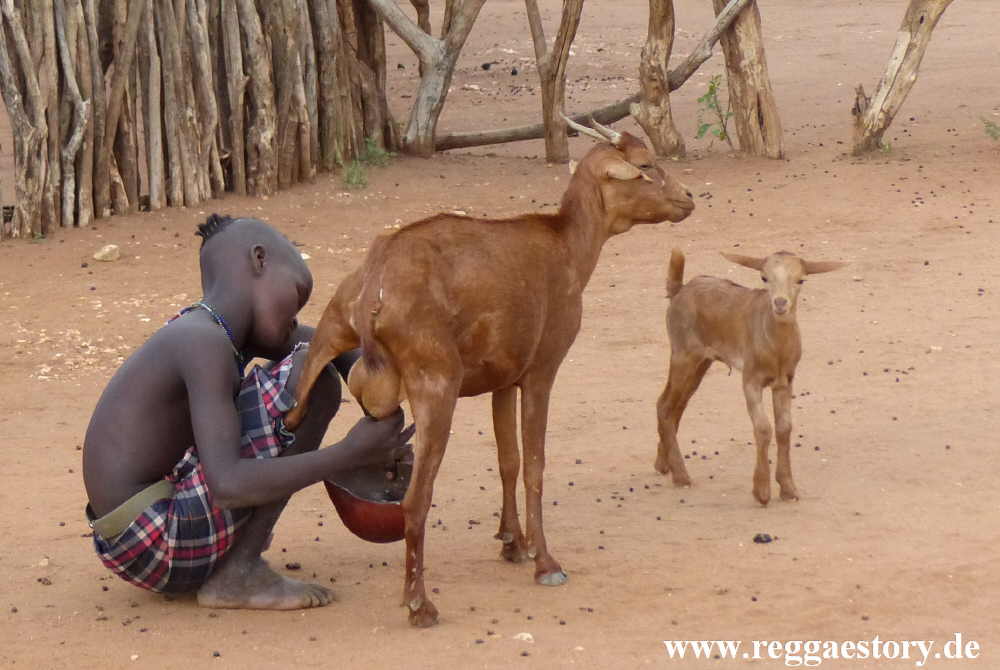 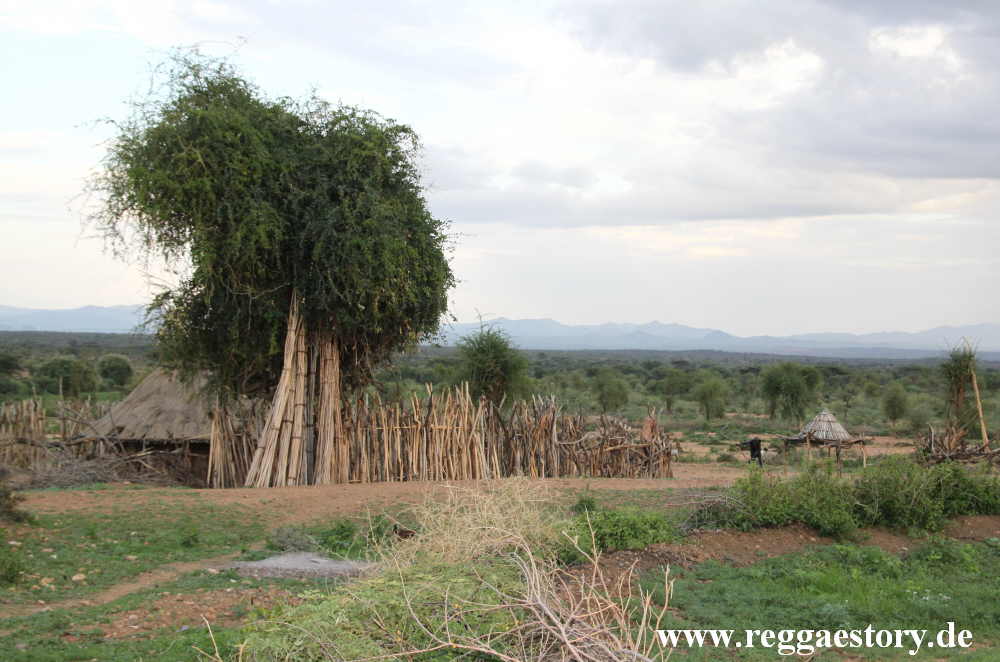 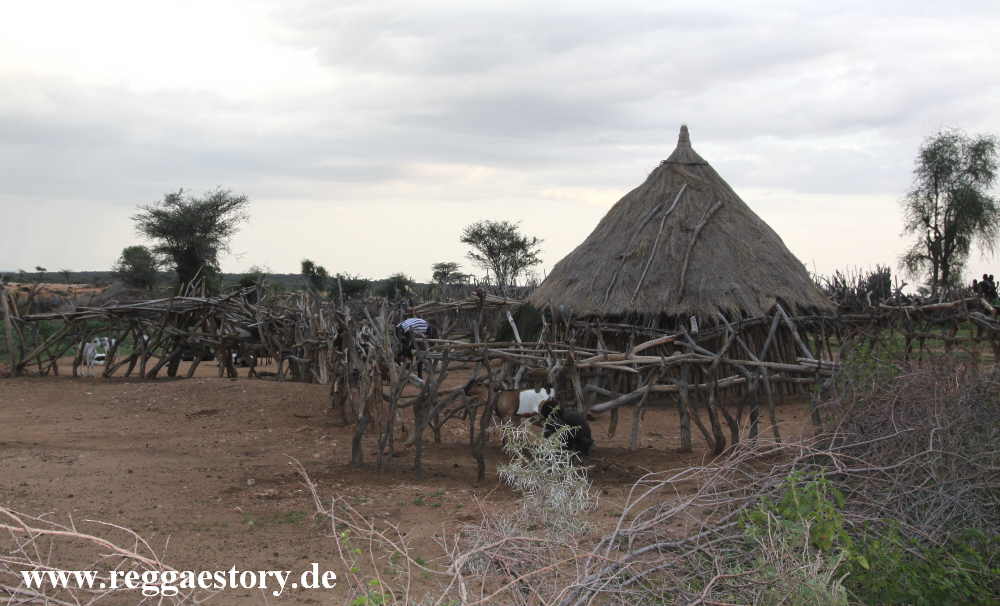 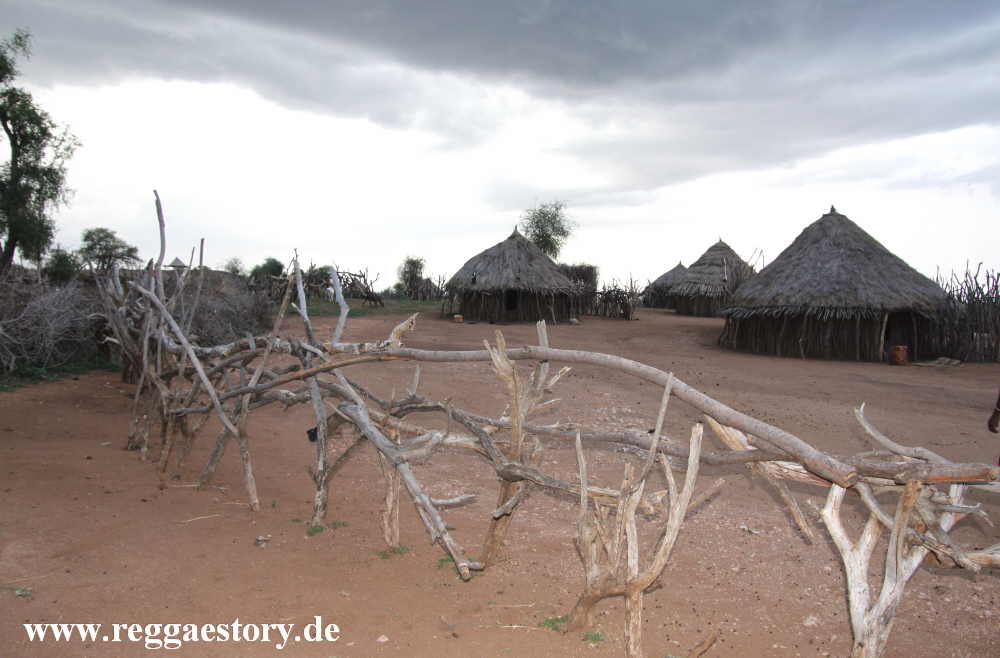 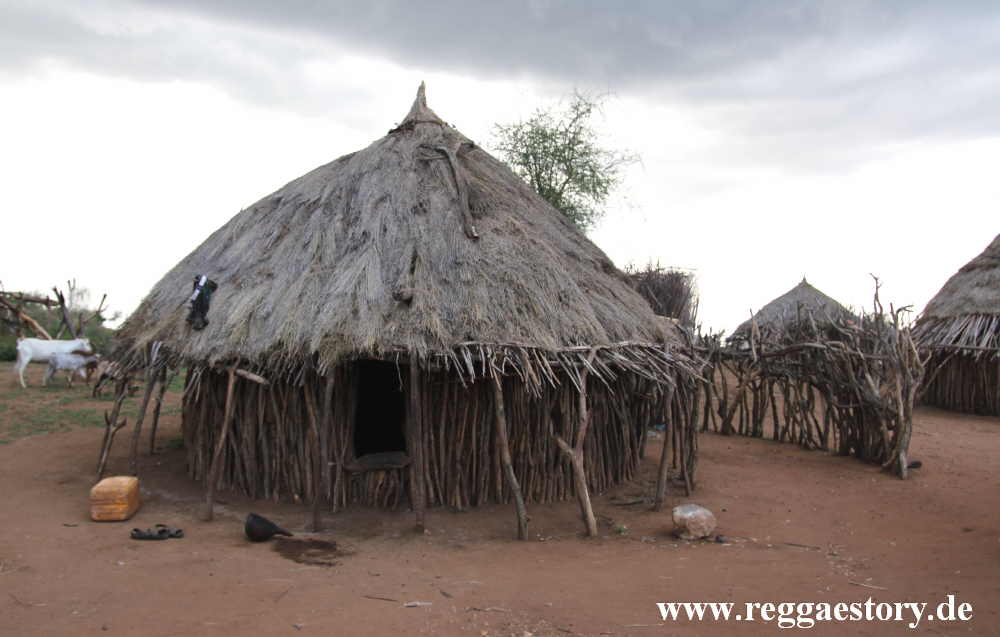 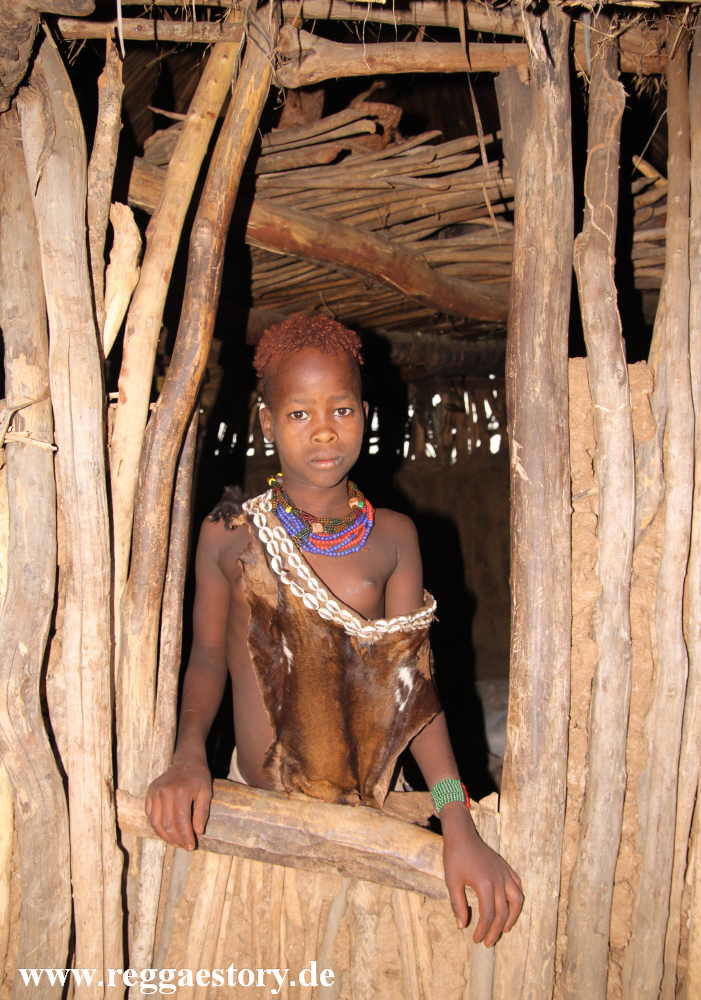
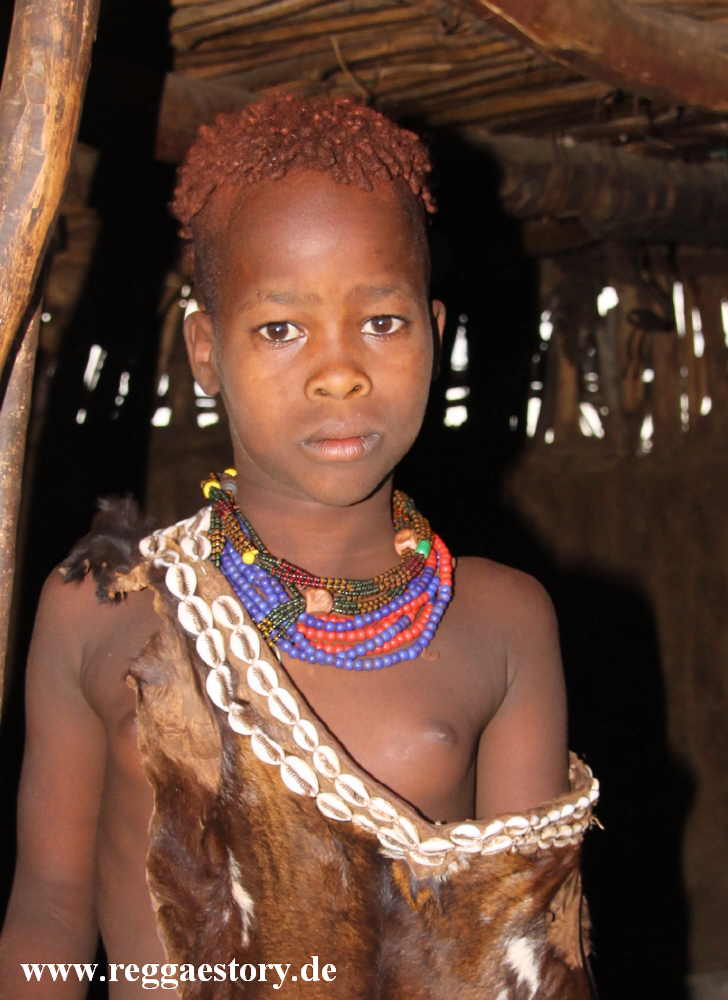 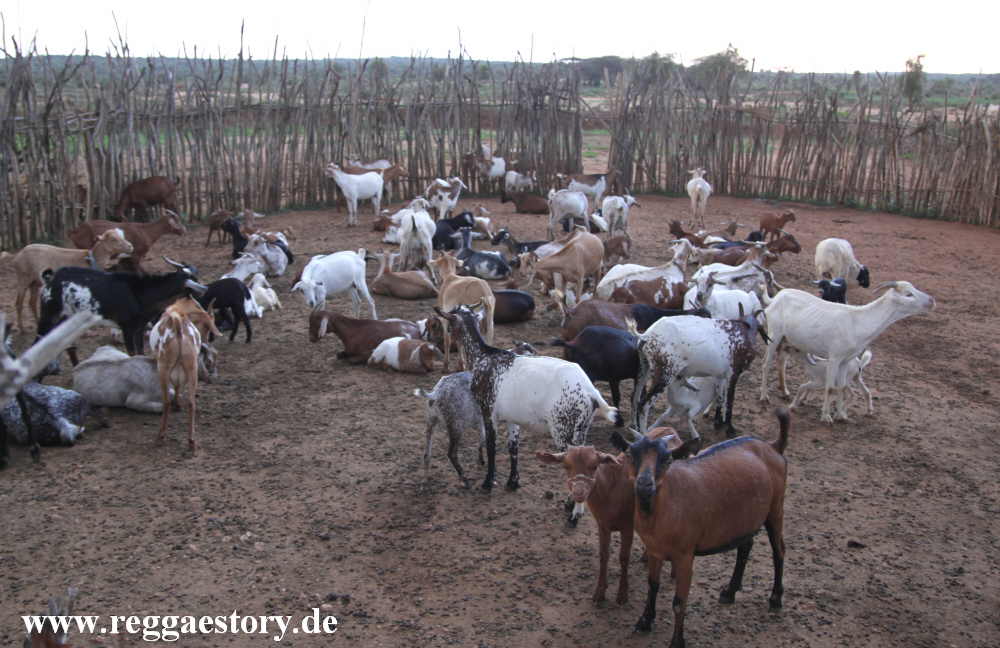 Image 902 - 910: In the Hamer village Geria near Turmi Like the Banna, the Hamer (or Hamar) also live mainly from keeping animals and, in the rainy season, from various agricultural products. In addition, they are also known for keeping bees. Most of the Hamers are predominantly Muslim. Various sources also say that they do not belong to any of the known world religions as long as they live in their tribal association. Since the Hamers also brew alcoholic beverages and are very happy to enjoy these beverages themselves, we are not really convinced of the Muslim variant either. The tribe is currently estimated to have around 50,000 members. More information can be found here . 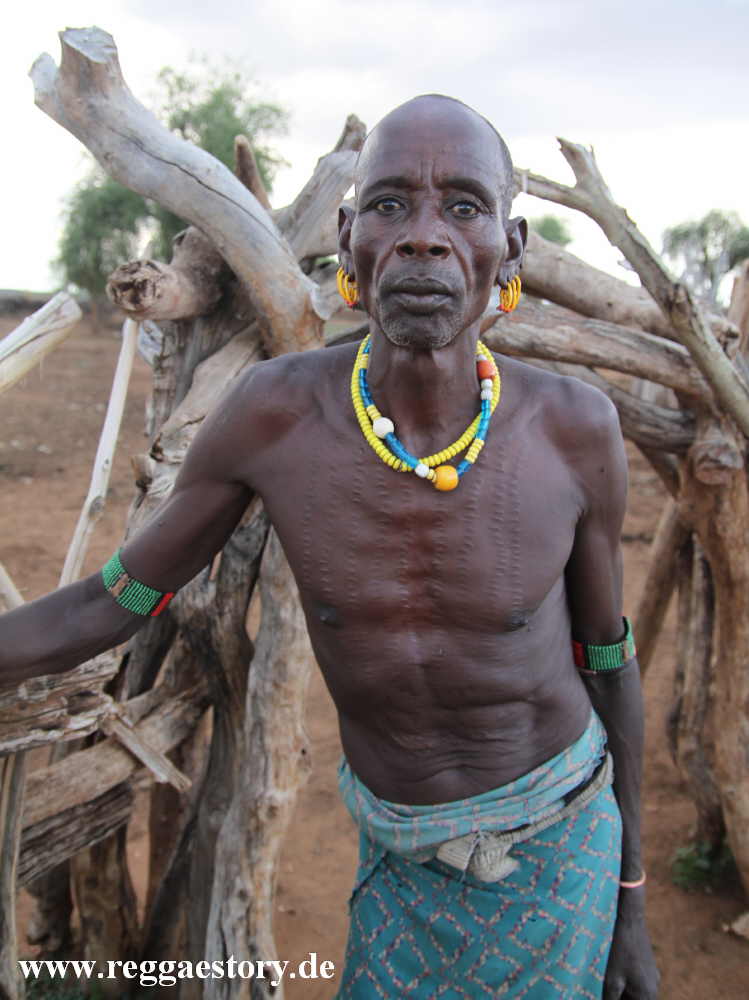
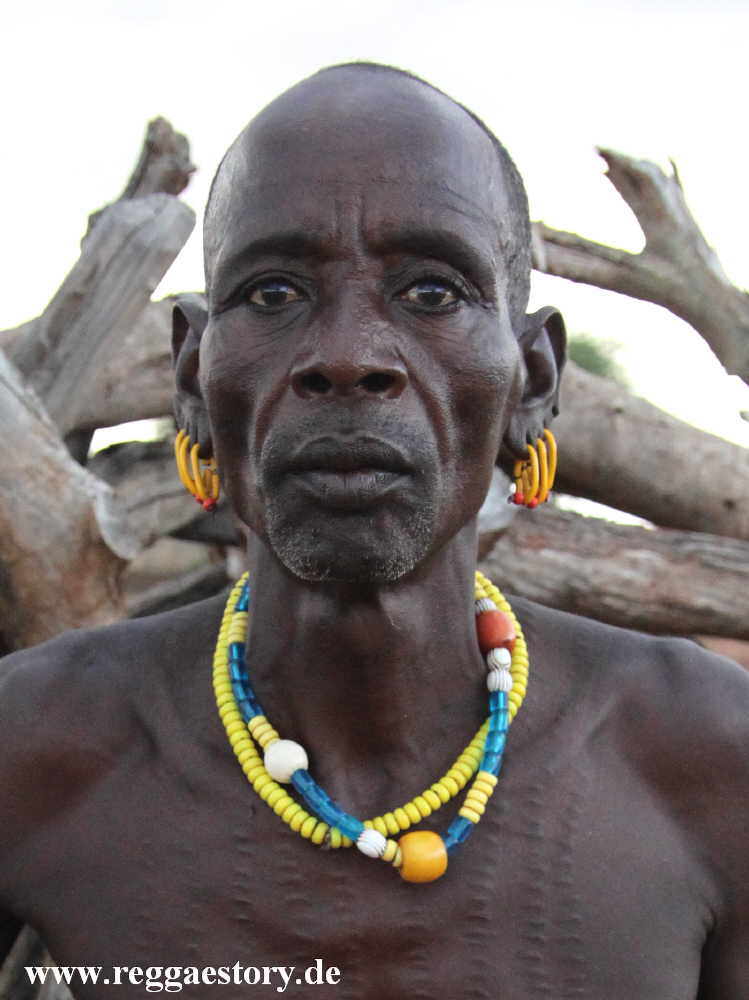 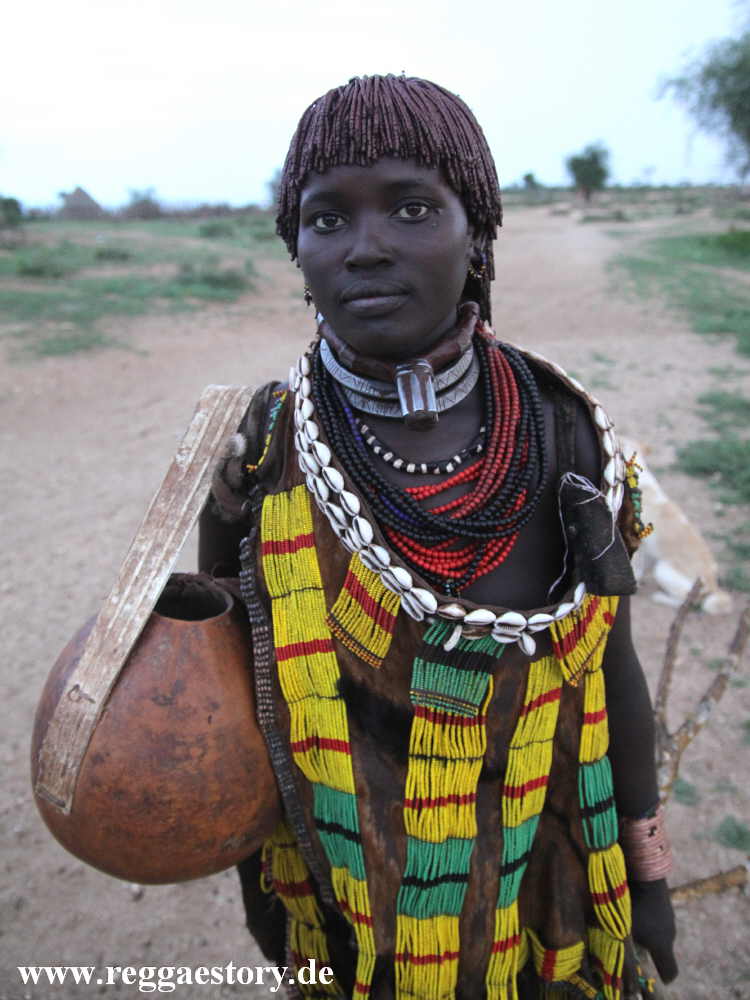
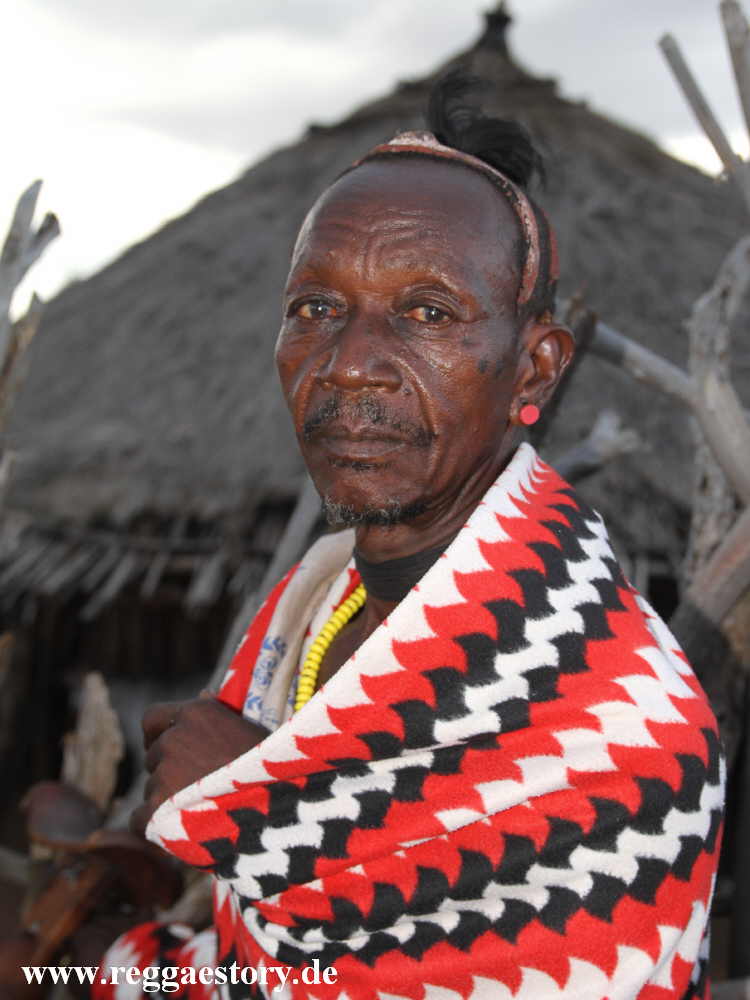 Image 911 - 914: In the Hamer village Geria near Turmi Unfortunately it is now getting darker and darker very quickly, which is why a longer stay in the village does not make sense. To take good quality photos, it is now too late and already too dark. Therefore we decide to go back to Turmin and then on to the Buska Lodge. But that's easier said than done. In Turmi there is a river bed just before the Emerald Lodge , which had already caused us problems when we arrived yesterday. Today water still flows in it. Apparently it was raining somewhere in the distance, as we could sometimes see on the horizon. Video: In the Hamer village Geria and the small obstacle in Turmi Of course, Alex doesn't want to risk that with the minibus today and hands us over to an all-terrain pick-up that he was able to find nearby. Mastu goes with us in the outside area, as we noticed shortly before arriving at our lodge. Apparently he didn't want to leave us unattended. And we had already given some thought because we hadn't even coordinated tomorrow's schedule. That will now be done quickly and Mastu then drives back to Turmi. Then we’ll be curious what it will look like at our river tomorrow. At least it goes in this direction again when we go to Omorate to the Dassanech.It is now 7:00 p.m. and we still have plenty of time for a relaxed dinner and a "dessert" in our beautiful Buska Lodge. See you tomorrow at this point! Copyright: www.reggaestory.de Photos: Marion & Peter Joachim Text and videos: Peter Joachim English version: Gabriele Brown |
Zurück


